Find Treatment By
Rehabs by Location


Find Treatment By
Learn
About Us
Recovery.com combines independent research with expert guidance on addiction and mental health treatment. Our mission is to help everyone find the best path to recovery through the most comprehensive, helpful network of treatment providers worldwide.
Advisory Council
Our advisory council brings together leaders in behavioral health, technology, and business. Their diverse expertise ensures our resources and product are innovative, evidence-based, and effective. They guide our mission as accomplished individuals dedicated to improving the landscape of addiction recovery and mental wellness.

The Residence at Homewood
Verified Center
This provider's information has been quality-checked by Recovery.com's Research Team for accuracy and completeness, including center verification through appropriate third-party organizations.
Treatment Focus
This center treats substance use disorders and mental health conditions. You'll receive individualized care catered to your unique situation and diagnosis, learn practical skills for recovery, and make new connections in a restorative environment.
Primary Level of Care
Offering intensive care with 24/7 monitoring, residential treatment is typically 30 days and can cover multiple levels of care. Length can range from 14 to 90 days typically.
Treatment Focus
This center treats substance use disorders and mental health conditions. You'll receive individualized care catered to your unique situation and diagnosis, learn practical skills for recovery, and make new connections in a restorative environment.
Primary Level of Care
Offering intensive care with 24/7 monitoring, residential treatment is typically 30 days and can cover multiple levels of care. Length can range from 14 to 90 days typically.
Private Pay
You pay directly for treatment out of pocket. This approach can offer enhanced privacy and flexibility, without involving insurance. Exact costs vary based on program and length of stay. Contact the center for specific details.
The Residence at Homewood
The Residence at Homewood
About The Residence at Homewood
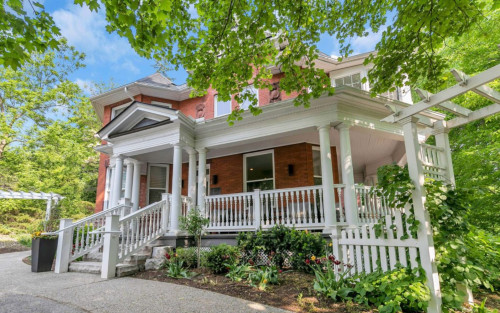
Private inpatient care at The Residence pairs well-appointed accommodations with 140 years of mental health and addiction experience. Homewood Health also serves as Team Canada’s official mental health services provider, extending its expertise to Olympic athletes, staff, and families. On Homewood Health Centre’s 50-acre campus in Guelph, Ontario, The Residence welcomes people with substance use concerns, anxiety, depression, trauma, obsessive-compulsive disorder (OCD), treatment-resistant depression, and co-occurring concerns.
Shape Care Around Personal Needs
Care begins with a comprehensive multi-day assessment that helps the team understand each client’s symptoms, goals, strengths, and medication needs. Pharmacogenetic testing may help guide prescriptions, while 8-12 weekly individual sessions create space for focused therapeutic work. Cognitive behavioural therapy (CBT), dialectical behaviour therapy (DBT), cognitive processing therapy (CPT), mindfulness, trauma-focused care, addiction counselling, and wellness support help clients process experiences, build coping skills, and prepare for life after treatment.
Settle Into Privacy and Daily Rhythm
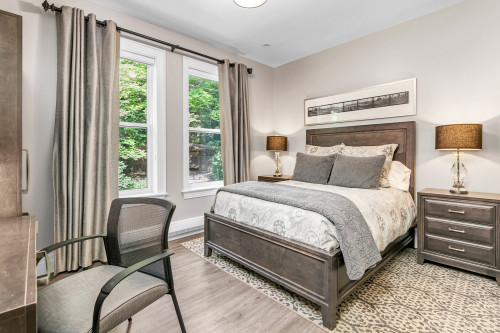
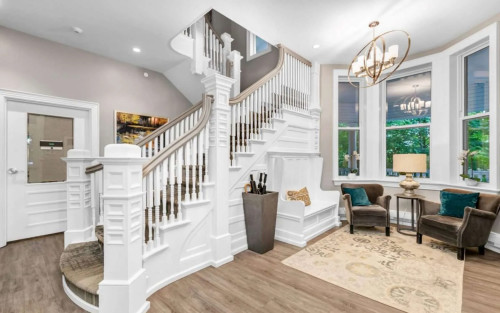
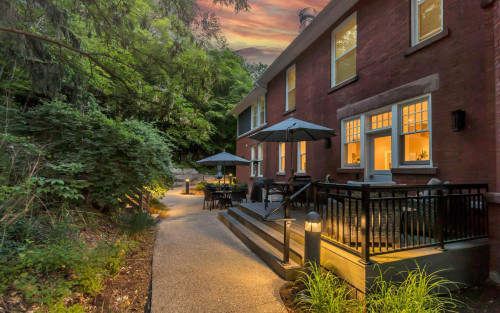
The Residence gives clients space to rest, reflect, and maintain familiar routines in 9 private bedrooms with ensuite bathrooms, desk workspaces, premium bedding, and individual climate controls. Locally sourced, chef-prepared meals and nutrition support add comfort and structure, while the gym, personal training, yoga, walking trails, gardens, sports courts, and massage therapy offer ways to move and decompress between sessions. The private Guelph setting offers seclusion while remaining accessible from Toronto Pearson and other local or private airports.
Carry Progress Into Daily Life
Upon completing inpatient treatment, The Residence supports long-term wellness with a full year of access to the Recovery Management Program. The program is designed to boost self-efficacy and help clients effectively manage their home life, work life, social life, and any other transitions while recovering from addiction and mental health issues. The program includes:
- Structured plans for skill-building, reconnecting, and sustaining recovery
- Recovery management group counseling and support services available across Canada
- Membership in an alumni program that connects clients to a recovery-focused community, community events and additional resources
- Option to purchase additional recovery management services that can include individual one-on-one counseling, step-down programming, and substance-use monitoring
Highlights from the Center
Highlights
These highlights are provided by and paid for by the center.
1-on-1 Counseling
Utmost Confidentiality
Private Rooms Available
Trauma Treatment
Center Overview
Treatment Focus
This center treats substance use disorders and mental health conditions. You'll receive individualized care catered to your unique situation and diagnosis, learn practical skills for recovery, and make new connections in a restorative environment.




Recovery.com Verified Listing
Recovery.com verified that the name, location, contact information and license to operate for this treatment provider are valid and up-to-date.

Accreditation Canada Accredited with Exemplary Standing

Licensed
Recovery.com is an independent, third-party mental health resource. Verification does not imply endorsement and does not guarantee the quality of treatment services.
Meet Your Care Team

Amanda B
Registered Nurse
RN, CPMHN (c)
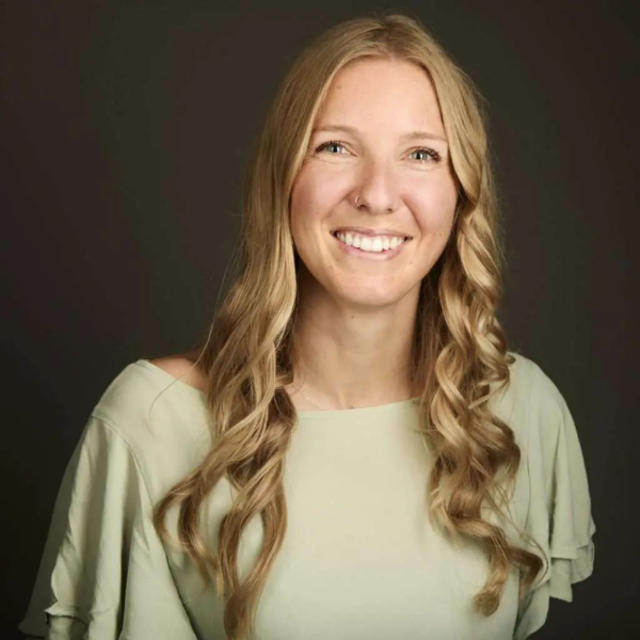
Lisa Vanderloop
Social Worker
RSW, MACP

Michelle Munroe
Occupational Therapist, Psychotherapist
OT Reg. (Ont.)

Paul Obermeyer
Treatment Consultant
RN

Sonia Waters
Psychotherapist, Addiction Counselor
RP, ICADC

Christina Kovacs
Occupational Therapist & Recovery Management Coordinator
MSC OT
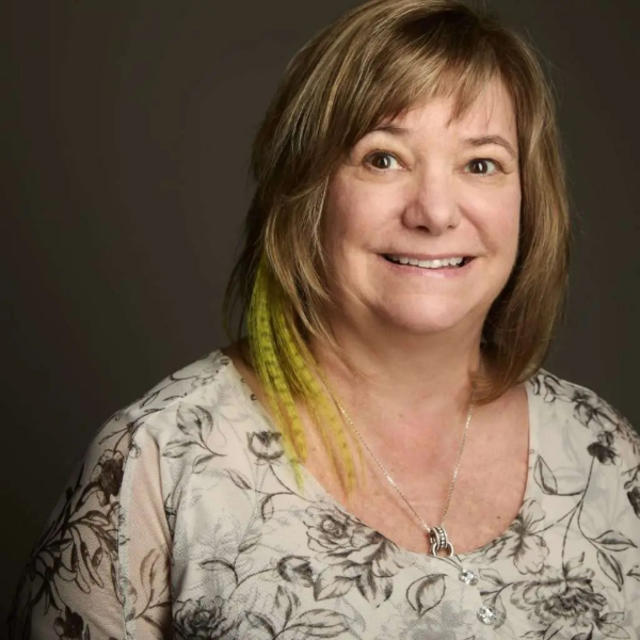
Michelle Nogueira
Addiction & Recovery Management Specialist and Digital Lead
RSSW, CAC II, CPGC, IGDC

Dr, Ben McCutchen
Chief of Psychiatry

Reay Hutchinson
Sous Chef

Emily Logan
Senior Manager

Monika Grau
Psychotherapist - Art Therapist
RP, BA, DTATI

Aleksandra Zieba
Recreation Therapist
RT, R/TRO

Zach Lundvall
Sous Chef

Mark Dundas
Executive Chef
Red Seal Chef

Victor Feher
Registered Nurse
RN
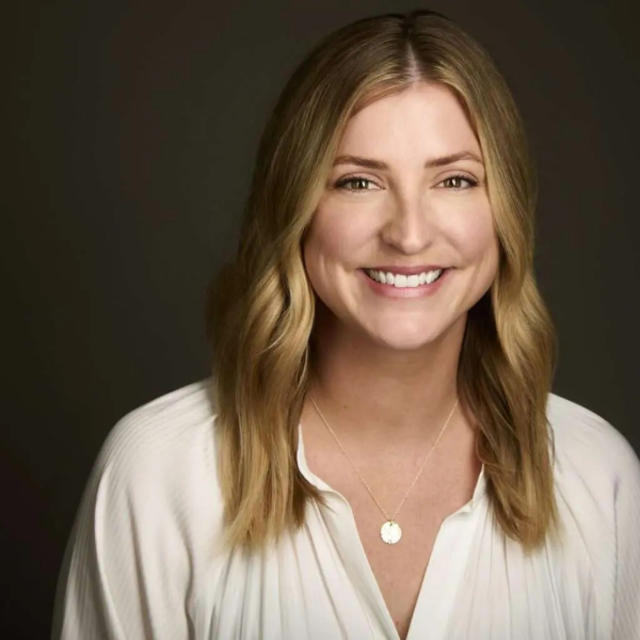
Kaela Clark
Service Liaison

Dr. Rachel Lyon
Psychologist & Clinical Lead
C. Psych
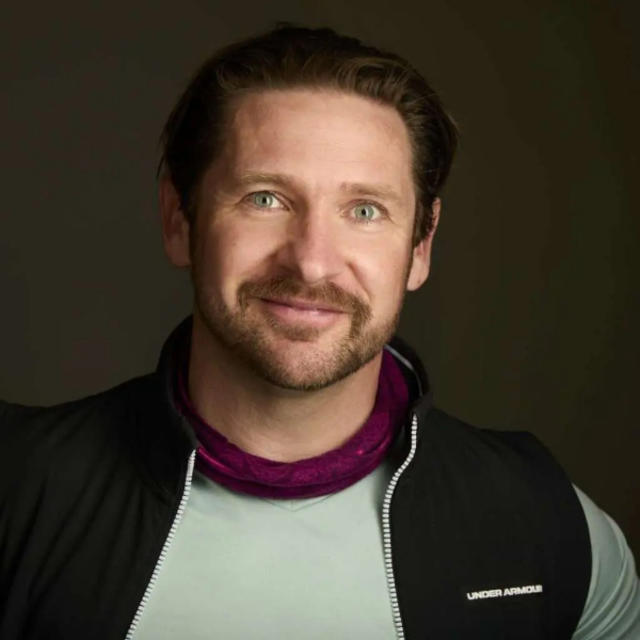
Chris Seftel
Strength & Conditioning Coach
Master Trainer, SSC, CNC, FMS
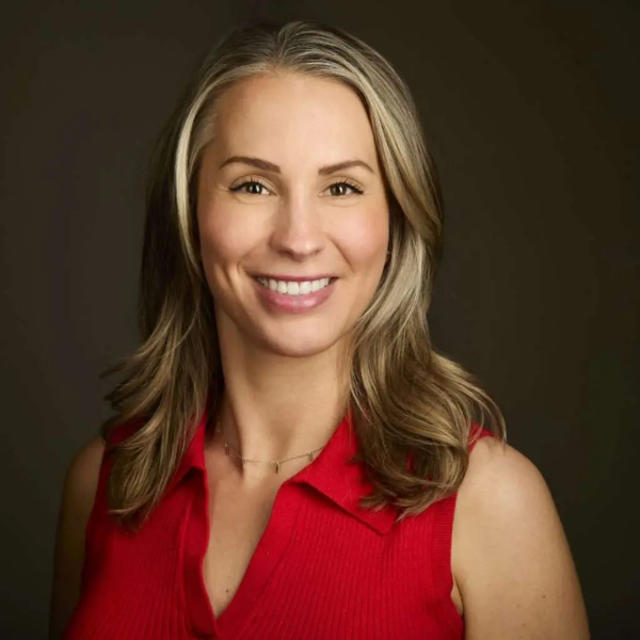
Carolyn Kurisko
Registered Nurse
RN

Linu Joseph
Registered Nurse
RN

Catherine Bowmaster
House Matron

Dr. Kam Balchand
Psychiatrist
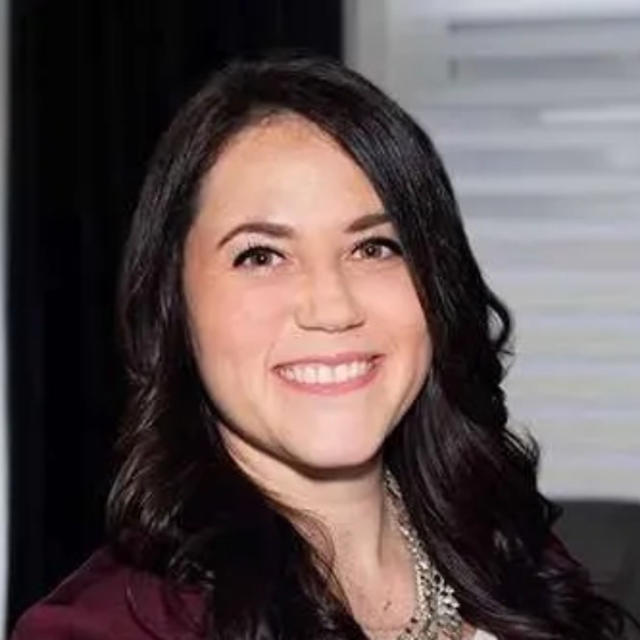
Kyla Renaud
Psychotherapist, Social Worker
Msw, Rsw
Your Care Options
Specializations
Alcohol
Using alcohol as a coping mechanism, or drinking excessively throughout the week, signals an alcohol use disorder.
Anxiety
Anxiety is a common mental health condition that can include excessive worry, panic attacks, physical tension, and increased blood pressure.
Co-Occurring Disorders
A person with multiple mental health diagnoses, such as addiction and depression, has co-occurring disorders also called dual diagnosis.
Depression
Symptoms of depression may include fatigue, a sense of numbness, and loss of interest in activities. This condition can range from mild to severe.
Obsessive Compulsive Disorder (OCD)
OCD is characterized by intrusive and distressing thoughts that drive repetitive behaviors. This pattern disrupts daily life and relationships.
Post Traumatic Stress Disorder
PTSD is a long-term mental health issue caused by a disturbing event or events. Symptoms include anxiety, dissociation, flashbacks, and intrusive thoughts.
Trauma
Some traumatic events are so disturbing that they cause long-term mental health problems. Those ongoing issues can also be referred to as "trauma."
Who We Treat
Older Adults
Addiction and mental health treatment caters to adults 55+ and the age-specific challenges that can come with recovery, wellness, and overall happiness.
Executives
Executive treatment programs typically directly support the needs of people who manage businesses and may provide flexible schedules and office space to allow work during treatment.
Young Adults
Emerging adults ages 18-25 receive treatment catered to the unique challenges of early adulthood, like college, risky behaviors, and vocational struggles.
Men and Women
Men and women attend treatment for addiction in a co-ed setting, going to therapy groups together to share experiences, struggles, and successes.
Midlife Adults
For adults ages 40+, treatment shifts to focus on the unique challenges, blocks, and risk factors of their age group, and unites peers in a similar community.
Professionals
Busy, high-ranking professionals get the personalized treatment they need with greater accommodations for work, privacy, and outside communication.
Veterans
Patients who completed active military duty receive specialized treatment focused on trauma, grief, loss, and finding a new work-life balance.
Treatment Services
Concierge Treatment
Concierge treatment offers highly personalized care, enhanced support, and customized services tailored to an individual’s treatment and recovery needs.
Detox
Detox fully and safely removes toxic substances from the body, allowing the next steps in treatment to begin with a clean slate.
Intensive Inpatient
The highest level of care, medically managed intensive inpatient services provides 24-hour nursing and physician care.
Private Therapy
This is an individual therapy that's often available at private therapy clinics. Clients may be able to choose a therapist who best fits their unique needs.
Residential
In a residential rehab program, patients live onsite, with access to daily treatment and 24-hour care. An average stay is 30-90 days.
Approaches
Evidence-Based
A combination of scientifically rooted therapies and treatments make up evidence-based care, defined by their measured and proven results.
Individual Treatment
Individual care meets the needs of each patient, using personalized treatment to provide them the most relevant care and greatest chance of success.
Medical
Medical addiction treatment uses approved medications to manage withdrawals and cravings, and to treat contributing mental health conditions.
Personalized Treatment
The specific needs, histories, and conditions of individual patients receive personalized, highly relevant care throughout their recovery journey.
Therapies
1-on-1 Counseling
Patient and therapist meet 1-on-1 to work through difficult emotions and behavioral challenges in a personal, private setting.
Acceptance and Commitment Therapy (ACT)
This cognitive behavioral therapy teaches patients to accept challenging feelings and make the appropriate changes to reach personal goals.
Art Therapy
Visual art invites patients to examine the emotions within their work, focusing on the process of creativity and its gentle therapeutic power.
Cognitive Behavioral Therapy
Cognitive Behavioral Therapy helps people identify and change unhelpful thought patterns and behaviors that contribute to emotional distress.
Dialectical Behavior Therapy
Dialectical Behavior Therapy teaches skills for managing emotions, improving relationships, tolerating distress, and increasing mindfulness.
Expressive Arts
Creative processes like art, writing, or dance use inner creative desires to help boost confidence, emotional growth, and initiate change.
Life Skills
Teaching life skills like cooking, cleaning, clear communication, and even basic math provides a strong foundation for continued recovery.
Medication-Assisted Treatment
Combined with behavioral therapy, prescribed medications can enhance treatment by relieving withdrawal symptoms and focus patients on their recovery.
Meditation & Mindfulness
A practiced state of mind that brings patients to the present. It allows them to become fully aware of themselves, their feelings, and the present moment.
Languages
Conditions We Treat
Anger
Although anger itself isn't a disorder, it can get out of hand. If this feeling interferes with your relationships and daily functioning, treatment can help.
Anxiety
Anxiety is a common mental health condition that can include excessive worry, panic attacks, physical tension, and increased blood pressure.
Bipolar
This mental health condition is characterized by extreme mood swings between depression, mania, and remission.
Burnout
Burnout entails mental and physical exhaustion, and leads to a severe lack of fulfillment. This condition is often caused by overwork.
Chronic Pain Management
Long-term physical pain can have an affect on mental health. Without support, it can also impact your daily life and even lead to addiction.
Depression
Symptoms of depression may include fatigue, a sense of numbness, and loss of interest in activities. This condition can range from mild to severe.
Grief and Loss
Grief is a natural reaction to loss, but severe grief can interfere with your ability to function. You can get treatment for this condition.
Obsessive Compulsive Disorder (OCD)
OCD is characterized by intrusive and distressing thoughts that drive repetitive behaviors. This pattern disrupts daily life and relationships.
Post Traumatic Stress Disorder
PTSD is a long-term mental health issue caused by a disturbing event or events. Symptoms include anxiety, dissociation, flashbacks, and intrusive thoughts.
Substances We Treat
Alcohol
Using alcohol as a coping mechanism, or drinking excessively throughout the week, signals an alcohol use disorder.
Benzodiazepines
Benzodiazepines are prescribed to treat anxiety, insomnia, and seizures. They can be habit-forming and may cause drowsiness, memory problems, and dependence.
Chronic Relapse
Consistent relapse occurs repeatedly, after partial recovery from addiction. This condition requires long-term treatment.
Co-Occurring Disorders
A person with multiple mental health diagnoses, such as addiction and depression, has co-occurring disorders also called dual diagnosis.
Cocaine
Cocaine is a stimulant with euphoric effects. Agitation, muscle ticks, psychosis, and heart issues are common symptoms of cocaine use.
Drug Addiction
Drug addiction is the excessive and repetitive use of substances, despite harmful consequences to a person's life, health, and relationships.
Ecstasy
Ecstasy is a stimulant that causes intense euphoria and heightened awareness. Use of this drug can trigger depression, insomnia, and memory problems.
Heroin
Heroin is a highly addictive opioid that produces feelings of euphoria and relaxation. Its use carries serious risks, including overdose and dependence.
Marijuana
Marijuana is a psychoactive substance derived from cannabis. It can affect mood, memory, coordination, and perception, with varying effects between individuals.
Aftercare
Care Designed for Your Needs
Personal Amenities
Amenities
Special Considerations
Flexible technology policies
Centers with flexible technology policies allow professionals to stay in touch with work and give patients a greater sense of connection and normalcy.
Executive Program
Addiction and mental health treatment for executives typically involves high discretion, greater technology access, and more private, 1-on-1 care.
Activities
Yoga
Yoga is both a physical and spiritual practice. It includes a flow of movement, breathing techniques, and meditation.
Off-Site Activities
Learn More About the Center
Women’s Mental Health: Concerns, Barriers and Support
Learn about common mental health challenges, physiological factors, and available support resources for women.
Coping with Childhood Trauma from Past Abuse and Neglect
Discover how to recognize and address repressed trauma, and find resources to support healing and well-being.
Linking Exercise and Nutrition to a Healthy Mind
Find out why physical exercise is increasingly being advocated as a means of maintaining and enhancing positive mental health.
What (Not) to Bring
Read what to pack for a smooth intake experience.

