Find Treatment By
Rehabs by Location


Find Treatment By
Learn
About Us
Recovery.com combines independent research with expert guidance on addiction and mental health treatment. Our mission is to help everyone find the best path to recovery through the most comprehensive, helpful network of treatment providers worldwide.
Advisory Council
Our advisory council brings together leaders in behavioral health, technology, and business. Their diverse expertise ensures our resources and product are innovative, evidence-based, and effective. They guide our mission as accomplished individuals dedicated to improving the landscape of addiction recovery and mental wellness.



Homewood Ravensview
Verified Center
This provider's information has been quality-checked by Recovery.com's Research Team for accuracy and completeness, including center verification through appropriate third-party organizations.
Treatment Focus
This center treats substance use disorders and mental health conditions. You'll receive individualized care catered to your unique situation and diagnosis, learn practical skills for recovery, and make new connections in a restorative environment.
Primary Level of Care
Offering intensive care with 24/7 monitoring, residential treatment is typically 30 days and can cover multiple levels of care. Length can range from 14 to 90 days typically.
Treatment Focus
This center treats substance use disorders and mental health conditions. You'll receive individualized care catered to your unique situation and diagnosis, learn practical skills for recovery, and make new connections in a restorative environment.
Primary Level of Care
Offering intensive care with 24/7 monitoring, residential treatment is typically 30 days and can cover multiple levels of care. Length can range from 14 to 90 days typically.
Provider's Policy
Please contact our intake team to learn more about treatment costs.
Homewood Ravensview
Homewood Ravensview
About Homewood Ravensview
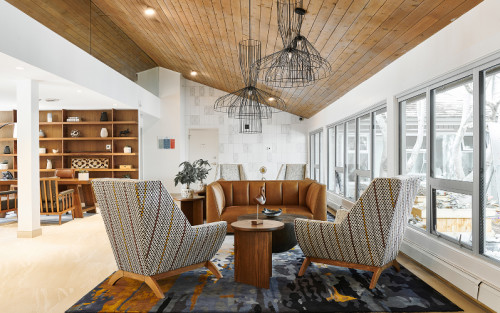
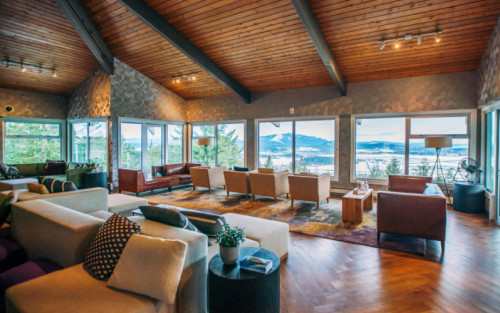
On LÁU,WELNEW, meaning “place of refuge,” Homewood Ravensview helps clients step away from daily stressors for private inpatient care. Part of Homewood Health’s 140-year legacy, Ravensview provides medically led treatment for adults, young adults, first responders, military personnel, and veterans with depression, anxiety, trauma, addiction, gambling disorder, chronic pain, and co-occurring concerns. Minutes from Victoria, British Columbia, the 28-acre campus offers 180-degree views of the surrounding forest, mountains, and ocean.
Address Complex Needs with Clinical Support
Treatment begins with an in-depth 1-on-1 assessment, with onsite withdrawal management and detox available when needed. Clients receive 2 weekly individual sessions and frequent group therapy, supported by cognitive behavioural therapy (CBT), dialectical behaviour therapy (DBT), cognitive processing therapy (CPT), expressive therapies, and recreation. Targeted care can also address gambling disorder, chronic pain with related mental health concerns, and treatment-resistant depression, with intranasal pharmacological treatment available when medically recommended.
Find Rhythm in a Rainforest Setting
Daily life at Ravensview gives clients space to move, reflect, and reconnect with nature. Mornings might begin with chef-prepared meals and treetop views in the dining room, followed by therapy and quiet reflection along forested walking trails or in the meditation labyrinth. Between sessions, clients can stretch, work out, create art and music, garden, or play pickleball and tennis before unwinding in comfortable lounges or private and semi-private ensuite rooms.
Carry Recovery Into Daily Life
Upon completing inpatient treatment, clients receive 1 year of access to Homewood Ravensview’s Recovery Management Program. This support helps clients build confidence, manage transitions, and keep practicing recovery skills at home, work, and in relationships. The program includes:
- Structured plans for skill-building, reconnection, and sustained recovery
- Recovery management group counselling and support services available across Canada
- Membership in an alumni program with recovery-focused community, events, and resources
- Optional added services, including 1-on-1 counselling, step-down programming, and substance use monitoring

Highlights from the Center
Highlights
These highlights are provided by and paid for by the center.
Therapeutic Location
Customized Treatment Plans
Holistic Approach
Addiction Recovery
Center Overview
Treatment Focus
This center treats substance use disorders and mental health conditions. You'll receive individualized care catered to your unique situation and diagnosis, learn practical skills for recovery, and make new connections in a restorative environment.

Insurance Accepted


Recovery.com Verified Listing
Recovery.com verified that the name, location, contact information and license to operate for this treatment provider are valid and up-to-date.

Accreditation Canada Accredited with Exemplary Standing
Recovery.com is an independent, third-party mental health resource. Verification does not imply endorsement and does not guarantee the quality of treatment services.
Meet Your Care Team
Chris Forrester
Vice President & General Manager

Dr. Jonathan Wan
Medical Director
MD, FRCP (C)
Christina Ford
Director of Nursing
Bachelor of Science in Psychiatric Nursing
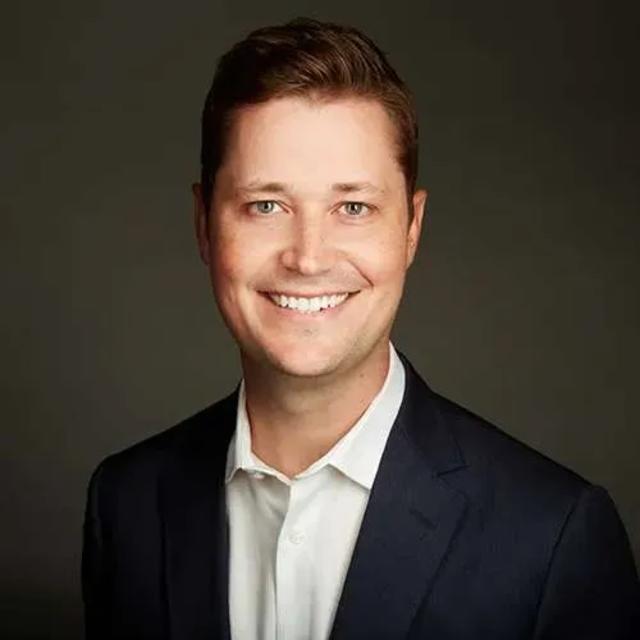
Dr. Ben Mccutchen
Chief of Psychiatry
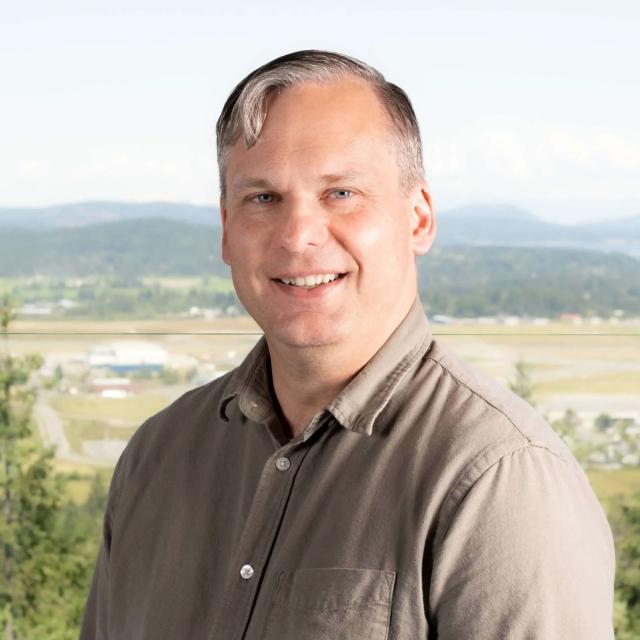
Craig Extine
Prime Therapist - Team Lead
MA, RCC
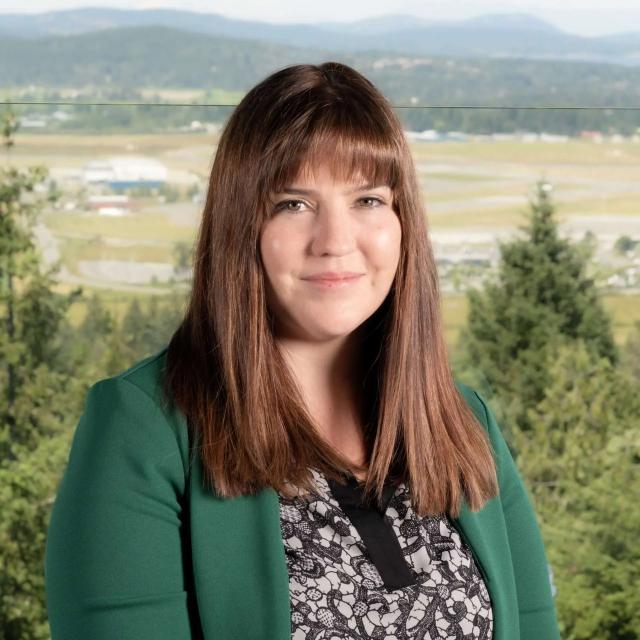
Dr. Kyla Roberts
Manager of Clinical Programs
PhD

Dr. Lucila Nerenberg
Addiction Psychiatrist
MD, FRCP (C), DABAM, CSAM

Dr. Johann Blignaut
Addiction Physician
MB, CH B, CCFP (AM)
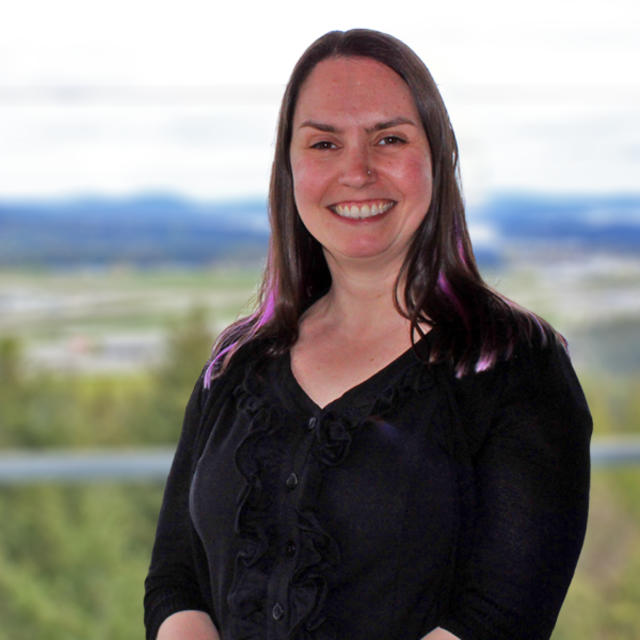
Dr. Amanda Pitcher
Psychiatrist
BA, MD, FRCPC
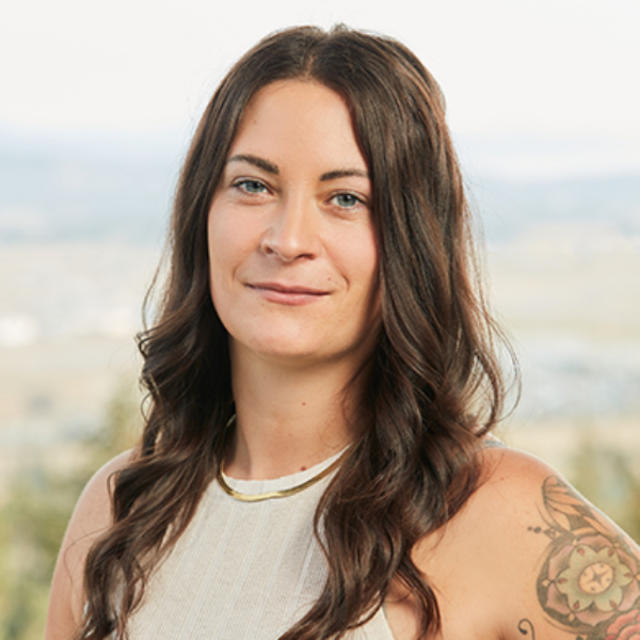
Laura Thomlinson
Clinical Nurse Lead
RPN

Kelsey Barter
Charge Nurse
RN, BSCN
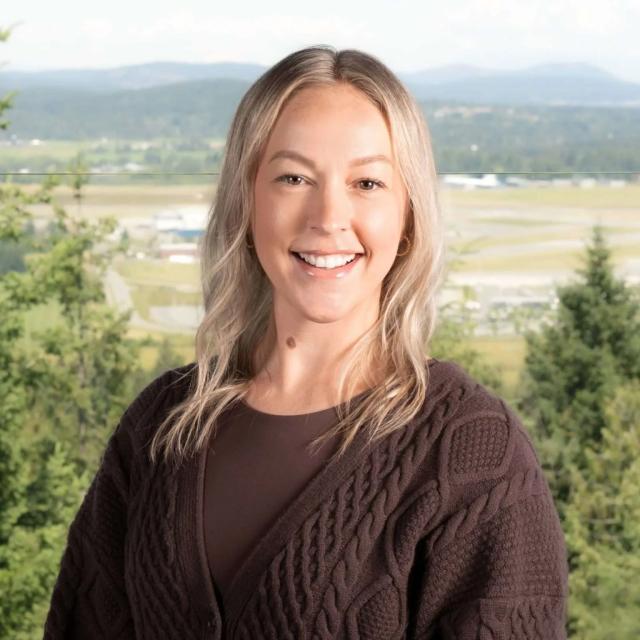
Lacey Carrigan
Charge Nurse
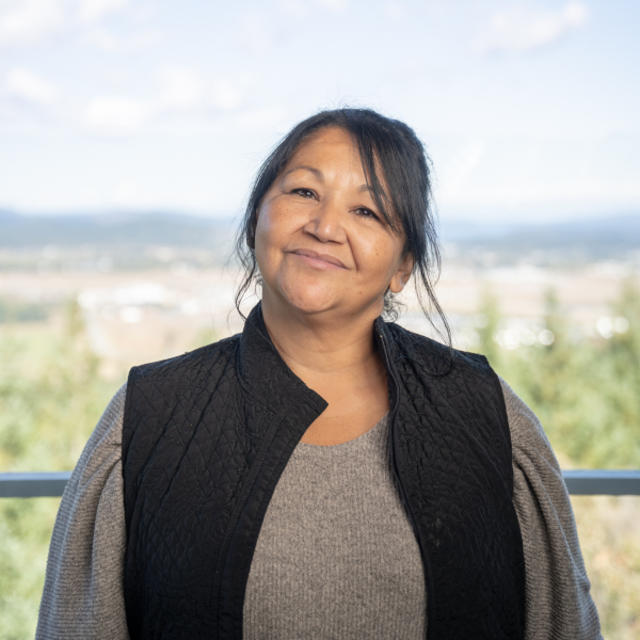
Sandrea Sampson
Cultural Knowledge Keeper

Gill Van Den Bussche
Prime Therapist
MA, CCC

Keanna Ewen
Prime Therapist
MSW/RSW (BC)
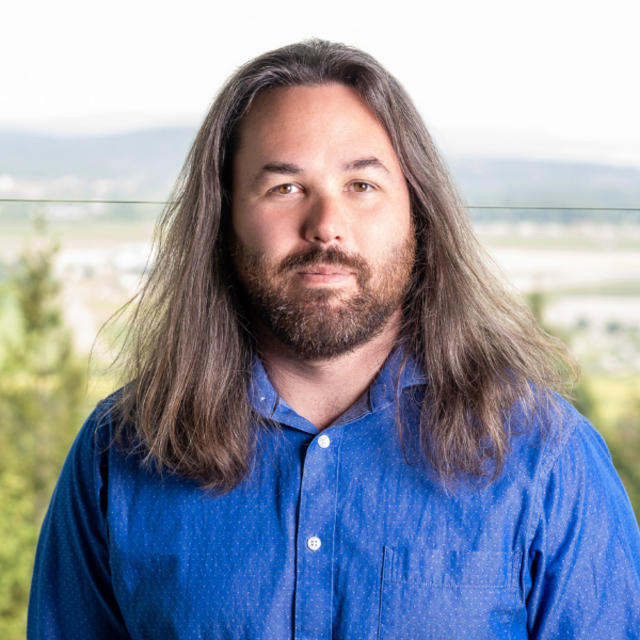
Brad Stubbert
Addictions Counsellor
CD, RSW, BSW

Tammy Uppenborn
Occupational Therapist
MSCOT
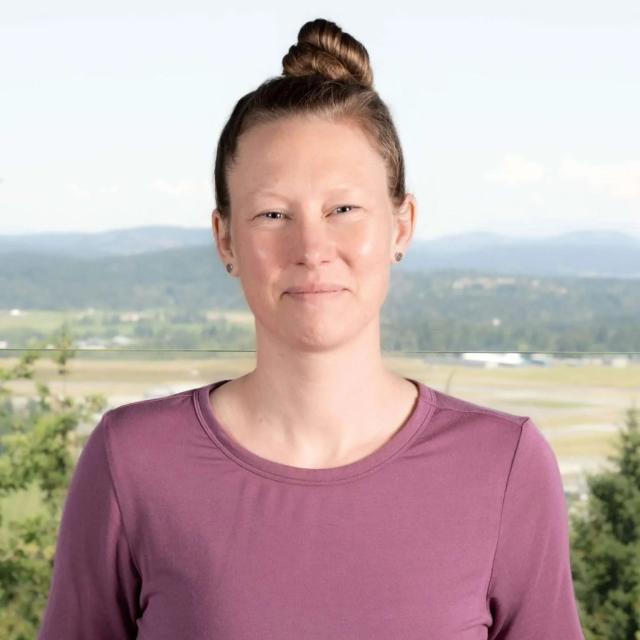
Meaghan Schaefer
Occupational Therapist

Kirsten Davis
Music Therapist
MA, MTA, AVCM
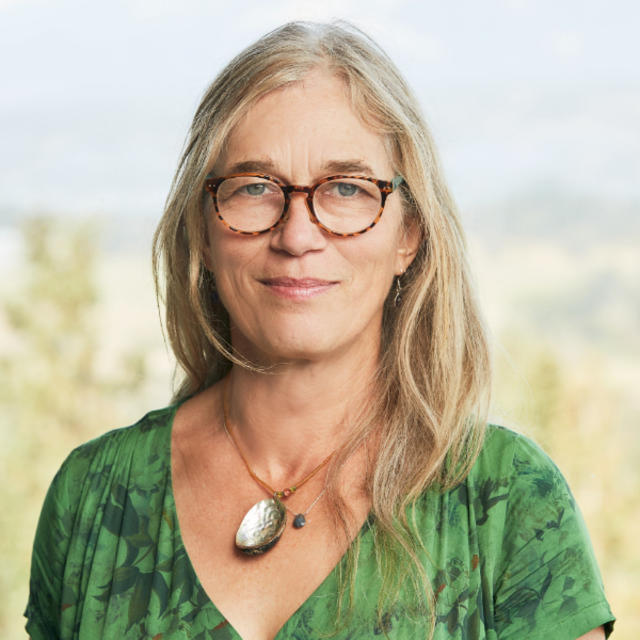
Stefanie Denz
Art Therapist
MFA, BED, RCT

Cliff Thorbes
Horticultural Therapist
HTR, CCDP
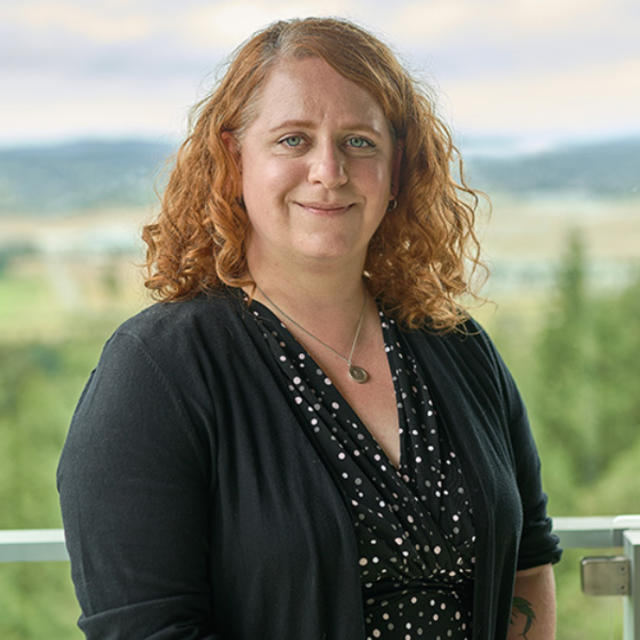
Marianne Bloudoff
Registered Dietitian
BSC, RD
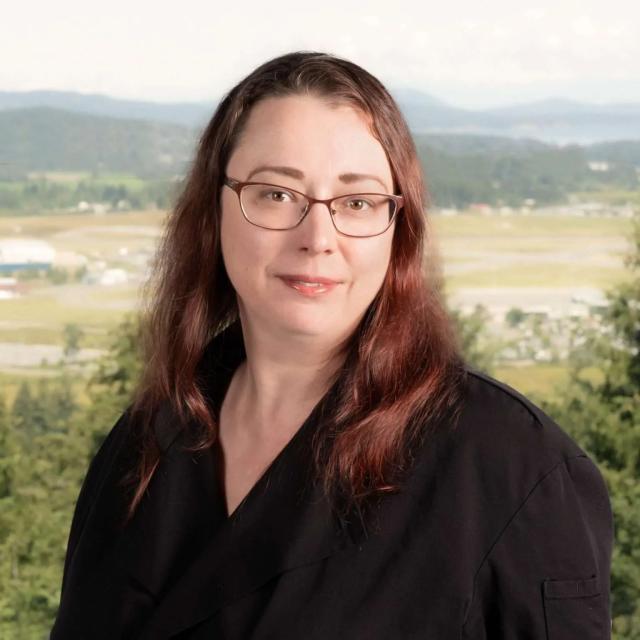
Melissa "Mo" Meyer-Webb
Food Services Manager
Your Care Options
Specializations
Anxiety
Anxiety is a common mental health condition that can include excessive worry, panic attacks, physical tension, and increased blood pressure.
Depression
Symptoms of depression may include fatigue, a sense of numbness, and loss of interest in activities. This condition can range from mild to severe.
Drug Addiction
Drug addiction is the excessive and repetitive use of substances, despite harmful consequences to a person's life, health, and relationships.
Young Adults
Emerging adults ages 18-25 receive treatment catered to the unique challenges of early adulthood, like college, risky behaviors, and vocational struggles.
Licensed Primary Mental Health
Some primary care providers offer mental health diagnosis and treatment. This can prevent patients from developing more serious conditions.
Post Traumatic Stress Disorder
PTSD is a long-term mental health issue caused by a disturbing event or events. Symptoms include anxiety, dissociation, flashbacks, and intrusive thoughts.
Trauma
Some traumatic events are so disturbing that they cause long-term mental health problems. Those ongoing issues can also be referred to as "trauma."
First Responders Program
Paramedics, police officers, firefighters, and others join in a specific First Responders program, usually focused on trauma, grief, and work-life balance.
Who We Treat
Co-Occurring Disorders
A person with multiple mental health diagnoses, such as addiction and depression, has co-occurring disorders also called dual diagnosis.
Young Adults
Emerging adults ages 18-25 receive treatment catered to the unique challenges of early adulthood, like college, risky behaviors, and vocational struggles.
LGBTQ+
Addiction and mental illnesses in the LGBTQ+ community must be treated with an affirming, safe, and relevant approach, which many centers provide.
Men and Women
Men and women attend treatment for addiction in a co-ed setting, going to therapy groups together to share experiences, struggles, and successes.
Midlife Adults
For adults ages 40+, treatment shifts to focus on the unique challenges, blocks, and risk factors of their age group, and unites peers in a similar community.
Veterans
Patients who completed active military duty receive specialized treatment focused on trauma, grief, loss, and finding a new work-life balance.
Treatment Services
Detox
Detox fully and safely removes toxic substances from the body, allowing the next steps in treatment to begin with a clean slate.
Intensive Inpatient
The highest level of care, medically managed intensive inpatient services provides 24-hour nursing and physician care.
Residential
In a residential rehab program, patients live onsite, with access to daily treatment and 24-hour care. An average stay is 30-90 days.
Approaches
Evidence-Based
A combination of scientifically rooted therapies and treatments make up evidence-based care, defined by their measured and proven results.
Holistic
A non-medicinal, wellness-focused approach that aims to align the mind, body, and spirit for deep and lasting healing.
Individual Treatment
Individual care meets the needs of each patient, using personalized treatment to provide them the most relevant care and greatest chance of success.
Therapies
1-on-1 Counseling
Patient and therapist meet 1-on-1 to work through difficult emotions and behavioral challenges in a personal, private setting.
1-on-1 Counseling with Clinical Psychologist
Individual counseling with a clinical psychologist provides personalized assessment, therapy, and support for mental health and behavioral concerns.
Art Therapy
Visual art invites patients to examine the emotions within their work, focusing on the process of creativity and its gentle therapeutic power.
Cognitive Behavioral Therapy
Cognitive Behavioral Therapy helps people identify and change unhelpful thought patterns and behaviors that contribute to emotional distress.
Dialectical Behavior Therapy
Dialectical Behavior Therapy teaches skills for managing emotions, improving relationships, tolerating distress, and increasing mindfulness.
Expressive Arts
Creative processes like art, writing, or dance use inner creative desires to help boost confidence, emotional growth, and initiate change.
Horticultural Therapy
Horticultural therapy uses gardening and plant-based activities to support emotional well-being, skill development, and personal growth.
Ketamine Therapy
Ketamine therapy uses ketamine, a dissociative anesthetic, to provide rapid relief for severe depression, trauma symptoms, and other mental health conditions.
Meditation & Mindfulness
A practiced state of mind that brings patients to the present. It allows them to become fully aware of themselves, their feelings, and the present moment.
Languages
Conditions We Treat
Anger
Although anger itself isn't a disorder, it can get out of hand. If this feeling interferes with your relationships and daily functioning, treatment can help.
Anxiety
Anxiety is a common mental health condition that can include excessive worry, panic attacks, physical tension, and increased blood pressure.
Burnout
Burnout entails mental and physical exhaustion, and leads to a severe lack of fulfillment. This condition is often caused by overwork.
Chronic Pain Management
Long-term physical pain can have an affect on mental health. Without support, it can also impact your daily life and even lead to addiction.
Depression
Symptoms of depression may include fatigue, a sense of numbness, and loss of interest in activities. This condition can range from mild to severe.
Gambling
Gambling involves risking money or valuables on uncertain outcomes. Problem gambling can lead to financial difficulties, emotional distress, and relationship challenges.
Grief and Loss
Grief is a natural reaction to loss, but severe grief can interfere with your ability to function. You can get treatment for this condition.
Post Traumatic Stress Disorder
PTSD is a long-term mental health issue caused by a disturbing event or events. Symptoms include anxiety, dissociation, flashbacks, and intrusive thoughts.
Self-Harm
The act of intentionally harming oneself, also called self-injury, is associated with mental health issues like depression.
Substances We Treat
Alcohol
Using alcohol as a coping mechanism, or drinking excessively throughout the week, signals an alcohol use disorder.
Benzodiazepines
Benzodiazepines are prescribed to treat anxiety, insomnia, and seizures. They can be habit-forming and may cause drowsiness, memory problems, and dependence.
Chronic Relapse
Consistent relapse occurs repeatedly, after partial recovery from addiction. This condition requires long-term treatment.
Co-Occurring Disorders
A person with multiple mental health diagnoses, such as addiction and depression, has co-occurring disorders also called dual diagnosis.
Cocaine
Cocaine is a stimulant with euphoric effects. Agitation, muscle ticks, psychosis, and heart issues are common symptoms of cocaine use.
Drug Addiction
Drug addiction is the excessive and repetitive use of substances, despite harmful consequences to a person's life, health, and relationships.
Ecstasy
Ecstasy is a stimulant that causes intense euphoria and heightened awareness. Use of this drug can trigger depression, insomnia, and memory problems.
Heroin
Heroin is a highly addictive opioid that produces feelings of euphoria and relaxation. Its use carries serious risks, including overdose and dependence.
Marijuana
Marijuana is a psychoactive substance derived from cannabis. It can affect mood, memory, coordination, and perception, with varying effects between individuals.
Aftercare
Care Designed for Your Needs
Personal Amenities
Amenities
Special Considerations
Young Adults Program
Programs for young adults bring teens 18+ together to discuss age-specific challenges, vocational and educational progress, and successes in treatment.
First Responders Program
Paramedics, police officers, firefighters, and others join in a specific First Responders program, usually focused on trauma, grief, and work-life balance.
Activities
Yoga
Yoga is both a physical and spiritual practice. It includes a flow of movement, breathing techniques, and meditation.
Off-Site Amenities
Learn More About the Center
The Intersection of Sexual Identity & Mental Health
Read about intersectionality as an approach to develop a greater understanding of sexual identity and mental health.
Navigating Men’s Mental Health Challenges & Offering Support
Learn the notable differences in men’s mental health experiences.
What to Look for in Youth & Teen Mental Health
Find out some of the most common signs of mental health disorders before 18 years of age.
Motivating Someone with an Addiction
Read the top 5 tips for encouraging someone to pursue treatment.

