Find Treatment By
Rehabs by Location


Find Treatment By
Learn
About Us
Recovery.com combines independent research with expert guidance on addiction and mental health treatment. Our mission is to help everyone find the best path to recovery through the most comprehensive, helpful network of treatment providers worldwide.
Advisory Council
Our advisory council brings together leaders in behavioral health, technology, and business. Their diverse expertise ensures our resources and product are innovative, evidence-based, and effective. They guide our mission as accomplished individuals dedicated to improving the landscape of addiction recovery and mental wellness.




The Embers Recovery
Verified Center
This provider's information has been quality-checked by Recovery.com's Research Team for accuracy and completeness, including center verification through appropriate third-party organizations.
Treatment Focus
This center treats substance use disorders and mental health conditions. You'll receive individualized care catered to your unique situation and diagnosis, learn practical skills for recovery, and make new connections in a restorative environment.
Primary Level of Care
Treatment Focus
This center treats substance use disorders and mental health conditions. You'll receive individualized care catered to your unique situation and diagnosis, learn practical skills for recovery, and make new connections in a restorative environment.
Primary Level of Care
Provider's Policy
Our local drug and alcohol rehab in Arizona will work closely with your insurance provider to ensure the treatment you need is accessible and affordable. If you’re paying privately, we will help you navigate a streamlined process for a sustainable payment plan. We work as an outpatient provider with most major insurance plans to ensure affordable treatment for our patients.
The Embers Recovery
The Embers Recovery
About The Embers Recovery
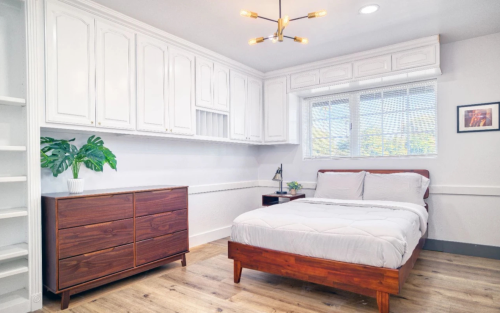
The Embers outpatient programs blend proven treatment with real community, helping people burn through the past and build a life that lasts. Patients with mental health and substance use disorders are equipped with the tools and confidence to face challenges head-on, overcome fears, develop emotional resilience, and redesign their lives with intention and purpose. The Embers’ newly remodeled space in the Acadia area features private and group therapy spaces, comfortable lounges, plenty of parking, and many home-like amenities to enjoy.
Take a Positive, Strengths-Based Approach
The Embers helps patients design a fresh start beyond the harmful patterns that no longer serve them. Through individual and group sessions using evidence-based therapies, patients learn to reshape thought patterns, manage emotions more effectively, and develop greater self-understanding and compassion. Alongside traditional therapies, patients address deep-seated barriers with hypnotherapy, eye movement desensitization and reprocessing (EMDR), and art therapy. They also strengthen daily functioning through life skills development, mindfulness, yoga, and medication management.
Choose the Right Pace
The Embers offers 3 levels of outpatient care complemented by nearby supportive housing for added convenience and accountability.
- Partial hospitalization (PHP) is held 5-6 hours per day during the week and includes therapy sessions, skill-building workshops, and psychiatric care.
- Intensive outpatient (IOP) meets 3-5 times per week with morning or evening sessions scheduled around work and family commitments.
- Outpatient (OP) involves weekly therapy sessions after completing higher levels of care.
Receive Support After Treatment
At The Embers, healing continues long after patients transition out of higher levels of care. Case management helps patients navigate ongoing care and real-life challenges. Aftercare planning helps them maintain meaningful connections to treatment, resources, and community. Relapse prevention planning provides strategies that identify triggers and patterns while building the coping skills needed to overcome them.
Highlights from the Center
Highlights
These highlights are provided by and paid for by the center.
Customized Treatment Plans
Holistic Approach
Trauma-Informed Care
Center Overview
Treatment Focus
This center treats substance use disorders and mental health conditions. You'll receive individualized care catered to your unique situation and diagnosis, learn practical skills for recovery, and make new connections in a restorative environment.

Insurance Accepted










Recovery.com Verified Listing
Recovery.com verified that the name, location, contact information and license to operate for this treatment provider are valid and up-to-date.

Licensed by Arizona DHS
Joint Commission Accredited
Recovery.com is an independent, third-party mental health resource. Verification does not imply endorsement and does not guarantee the quality of treatment services.
Meet Your Care Team
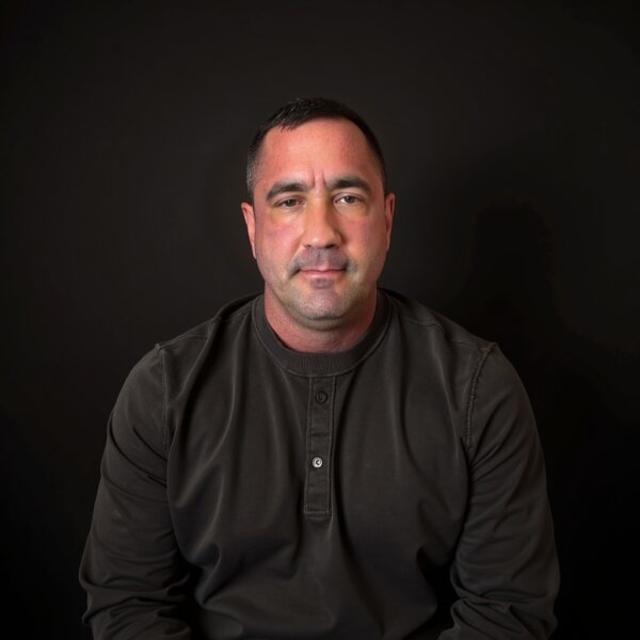
Rob Campbell
Executive Director

Dr. Elizabeth Rubin
Clinical Advisor

Dr. Roland Segal
Medical Director

Abra Arlinsky
Clinical Director

Eric Hendrix
Director of Operations

Curry Williams
Head Case Manager

Marcus Owens
Head Behavioral Health Technician

WenDéja Moore
Primary Therapist

Cristina Felix
Primary Therapist

Chloe Grossman
Group Facilitator

Ursula DeMangus
Case Manager
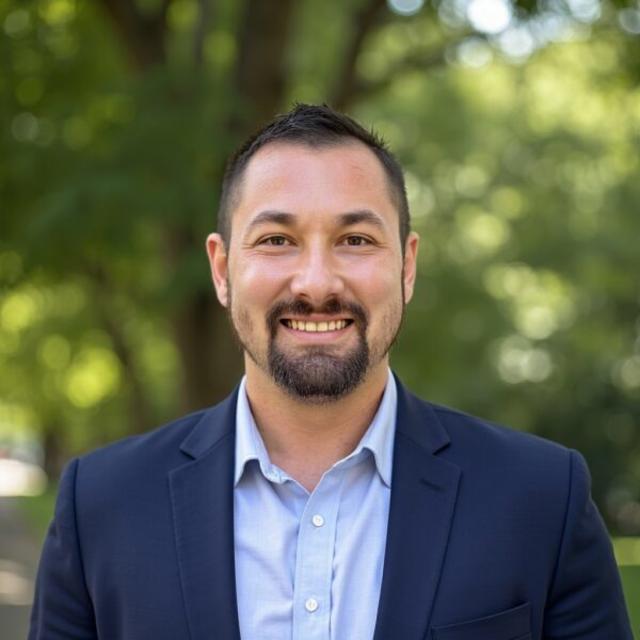
Matthew Robinson
Case Manager
Your Care Options
Specializations
Alcohol
Using alcohol as a coping mechanism, or drinking excessively throughout the week, signals an alcohol use disorder.
Anxiety
Anxiety is a common mental health condition that can include excessive worry, panic attacks, physical tension, and increased blood pressure.
Benzodiazepines
Benzodiazepines are prescribed to treat anxiety, insomnia, and seizures. They can be habit-forming and may cause drowsiness, memory problems, and dependence.
Co-Occurring Disorders
A person with multiple mental health diagnoses, such as addiction and depression, has co-occurring disorders also called dual diagnosis.
Depression
Symptoms of depression may include fatigue, a sense of numbness, and loss of interest in activities. This condition can range from mild to severe.
Family Therapy
Family therapy addresses group dynamics within a family system, with a focus on improving communication and interrupting unhealthy relationship patterns.
Opioids
Opioids produce pain-relief and euphoria, which can lead to addiction. This class of drugs includes prescribed medication and the illegal drug heroin.
Trauma
Some traumatic events are so disturbing that they cause long-term mental health problems. Those ongoing issues can also be referred to as "trauma."
Who We Treat
Men and Women
Men and women attend treatment for addiction in a co-ed setting, going to therapy groups together to share experiences, struggles, and successes.
Treatment Services
Day Treatment
Also commonly called PHP, patients may live at home or in a recovery residence while following an intensive treatment program. Most have a weekly schedule of M–F and 4 to 6 hours per day.
Intensive Outpatient Program
In an IOP, patients live at home or a sober living, but attend treatment typically 9-15 hours a week. Most programs include talk therapy, support groups, and other methods.
Outpatient
During outpatient rehab, patients attend a structured treatment program while continuing to live at home.
Outpatient Therapy
Outpatient therapy offers scheduled counseling and treatment sessions without requiring an overnight stay or residential care.
Sober Living
These structured living environments help people transition out of rehab. Residents have more freedom than they do during rehab, but still follow certain rules.
Approaches
Evidence-Based
A combination of scientifically rooted therapies and treatments make up evidence-based care, defined by their measured and proven results.
Individual Treatment
Individual care meets the needs of each patient, using personalized treatment to provide them the most relevant care and greatest chance of success.
Personalized Treatment
The specific needs, histories, and conditions of individual patients receive personalized, highly relevant care throughout their recovery journey.
Therapies
1-on-1 Counseling
Patient and therapist meet 1-on-1 to work through difficult emotions and behavioral challenges in a personal, private setting.
Art Therapy
Visual art invites patients to examine the emotions within their work, focusing on the process of creativity and its gentle therapeutic power.
Cognitive Behavioral Therapy
Cognitive Behavioral Therapy helps people identify and change unhelpful thought patterns and behaviors that contribute to emotional distress.
Dialectical Behavior Therapy
Dialectical Behavior Therapy teaches skills for managing emotions, improving relationships, tolerating distress, and increasing mindfulness.
Experiential Therapy
With this approach, patients heal by doing. Therapists help patients process difficult emotions to speak, using guided activities like art or dance.
Family Therapy
Family therapy addresses group dynamics within a family system, with a focus on improving communication and interrupting unhealthy relationship patterns.
Group Therapy
Group therapy brings people together in a supportive setting to share experiences, develop skills, and work toward common goals.
Life Skills
Teaching life skills like cooking, cleaning, clear communication, and even basic math provides a strong foundation for continued recovery.
Mindfulness Therapy
This ancient practice can be mental, emotional, and even spiritual. In meditation, you focus your attention on the present moment without judgement.
Languages
Conditions We Treat
Anxiety
Anxiety is a common mental health condition that can include excessive worry, panic attacks, physical tension, and increased blood pressure.
Bipolar
This mental health condition is characterized by extreme mood swings between depression, mania, and remission.
Depression
Symptoms of depression may include fatigue, a sense of numbness, and loss of interest in activities. This condition can range from mild to severe.
Gambling
Gambling involves risking money or valuables on uncertain outcomes. Problem gambling can lead to financial difficulties, emotional distress, and relationship challenges.
Internet Addiction
Internet addiction involves excessive online activity that interferes with daily responsibilities, relationships, mental health, or overall quality of life.
Post Traumatic Stress Disorder
PTSD is a long-term mental health issue caused by a disturbing event or events. Symptoms include anxiety, dissociation, flashbacks, and intrusive thoughts.
Substances We Treat
Alcohol
Using alcohol as a coping mechanism, or drinking excessively throughout the week, signals an alcohol use disorder.
Benzodiazepines
Benzodiazepines are prescribed to treat anxiety, insomnia, and seizures. They can be habit-forming and may cause drowsiness, memory problems, and dependence.
Co-Occurring Disorders
A person with multiple mental health diagnoses, such as addiction and depression, has co-occurring disorders also called dual diagnosis.
Cocaine
Cocaine is a stimulant with euphoric effects. Agitation, muscle ticks, psychosis, and heart issues are common symptoms of cocaine use.
Drug Addiction
Drug addiction is the excessive and repetitive use of substances, despite harmful consequences to a person's life, health, and relationships.
Ecstasy
Ecstasy is a stimulant that causes intense euphoria and heightened awareness. Use of this drug can trigger depression, insomnia, and memory problems.
Heroin
Heroin is a highly addictive opioid that produces feelings of euphoria and relaxation. Its use carries serious risks, including overdose and dependence.
Marijuana
Marijuana is a psychoactive substance derived from cannabis. It can affect mood, memory, coordination, and perception, with varying effects between individuals.
Methamphetamine
Methamphetamine is a powerful stimulant that increases energy and alertness. Repeated use can lead to addiction and significant physical and mental health risks.
Aftercare
Learn More About the Center
Holistic Therapies and Treatment Services
Read about the wide range of evidence-based interventions used to rebuild lives at The Embers.
The Efficacy of Partial Hospitalization Programs
Learn what makes The Embers’ partial hospitalization program a highly effective treatment option.
How (and Why) Intensive Outpatient Programs Work
Discover how this level of care allows patients to practice recovery skills in real-world settings.
Transformative Treatment Solutions For Mental Health Disorders
Explore the range of mental health conditions treated at The Embers.