Find Treatment By
Rehabs by Location


Find Treatment By
Learn
About Us
Recovery.com combines independent research with expert guidance on addiction and mental health treatment. Our mission is to help everyone find the best path to recovery through the most comprehensive, helpful network of treatment providers worldwide.
Advisory Council
Our advisory council brings together leaders in behavioral health, technology, and business. Their diverse expertise ensures our resources and product are innovative, evidence-based, and effective. They guide our mission as accomplished individuals dedicated to improving the landscape of addiction recovery and mental wellness.
Internet Addiction: Signs, Types, and How to Get Help


Rita Milios, LCSW, "The Mind Mentor," combines the science of neuro-biology, traditional psychotherapy techniques, and spiritual growth techniques gleaned from ancient wisdom traditions to help people re-program old, entrenched, self-defeating habits and attitudes and successfully treat anxiety, depression, addictions (substances, people, things), eating issues, relationship issues, trauma, life transition issues and grief.

Rita Milios, LCSW, "The Mind Mentor," combines the science of neuro-biology, traditional psychotherapy techniques, and spiritual growth techniques gleaned from ancient wisdom traditions to help people re-program old, entrenched, self-defeating habits and attitudes and successfully treat anxiety, depression, addictions (substances, people, things), eating issues, relationship issues, trauma, life transition issues and grief.
- Internet addiction can interfere with relationships, school, work, and emotional well-being.
- Problematic internet use may involve gaming, online gambling, social media, or compulsive browsing.
- Excessive internet use can affect the brain’s reward system similarly to other behavioral addictions.
- Treatment often focuses on healthier habits, therapy, support systems, and balanced technology use.
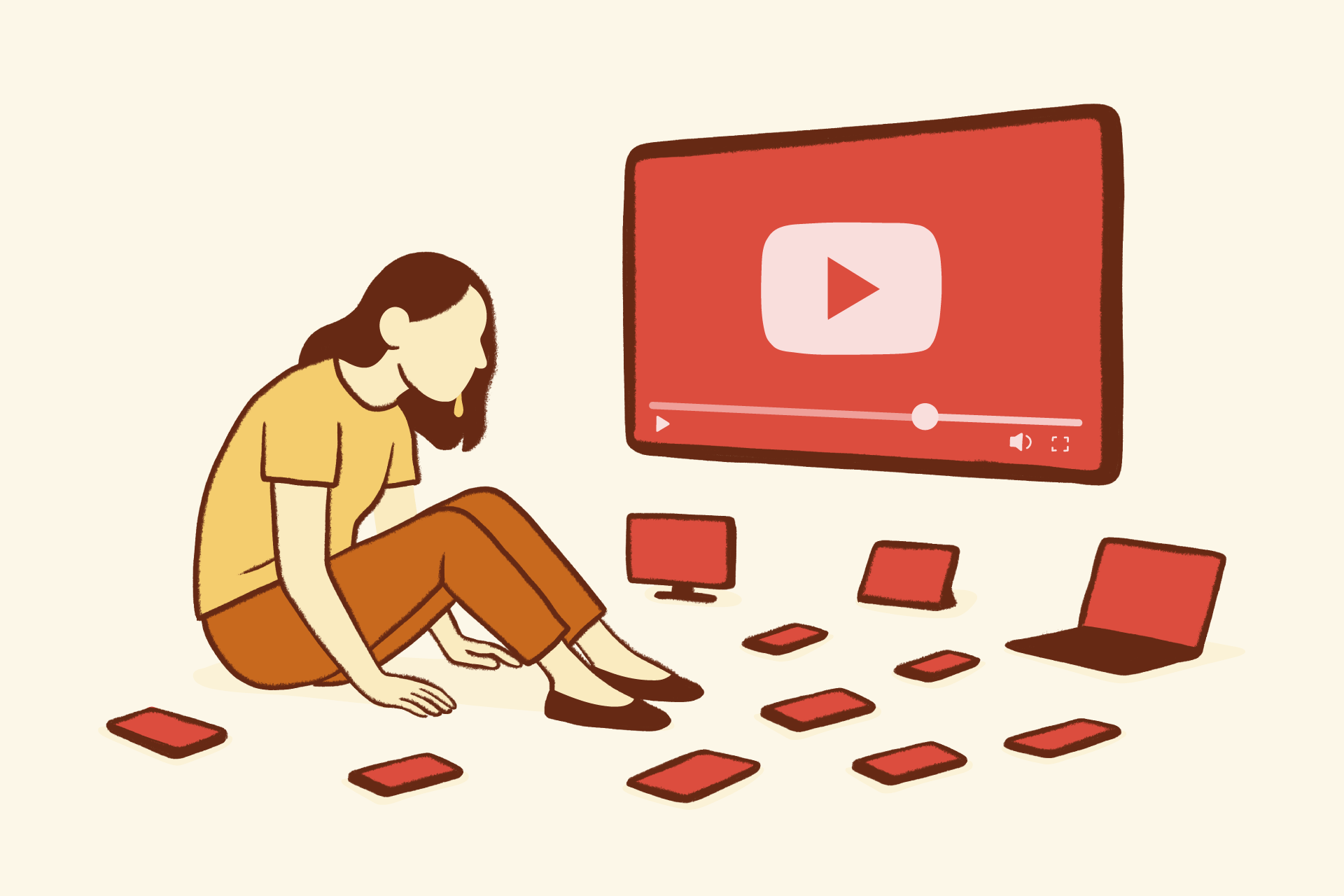
Many people spend a large part of their day online. Between computers, smartphones, social media, and tablets, screen time has become part of daily life. But when does internet use cross the line from a habit into a serious concern?
Research on problematic internet use has grown over the past several decades. While internet addiction isn’t currently classified as a formal diagnosis in the Diagnostic and Statistical Manual of Mental Disorders (DSM-5), mental health professionals increasingly recognize that excessive internet use can negatively affect emotional health, relationships, sleep, work, and overall functioning.1
What Is Internet Addiction?
Internet addiction, sometimes called problematic internet use (PIU) or compulsive internet use (CIU), describes excessive online behavior that becomes difficult to control and starts affecting daily life.2
People may become overly dependent on different online activities, including:
- Social media use.
- Online gaming.
- Web browsing.
- Online gambling.
- Shopping.
- Streaming content.
- Viewing adult content.
- Constant texting or messaging.
Not everyone who spends a lot of time online has an addiction. The concern usually arises when internet use begins to interfere with a person’s emotional or physical wellbeing, relationships, or responsibilities.
Explore Internet Addiction Treatment Centers
Types of Problematic Internet Use
Mental health professionals often group problematic internet use into several categories:
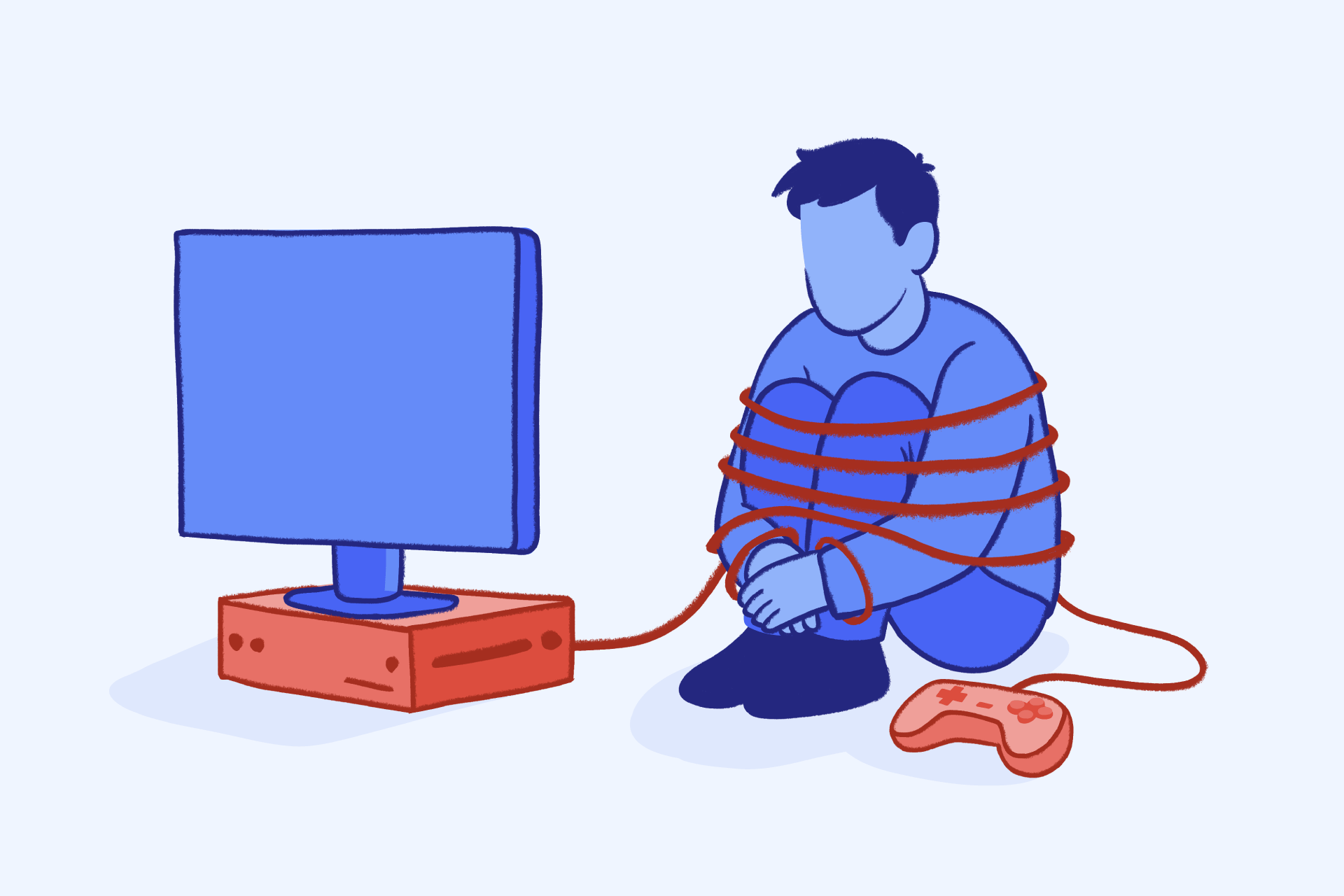
- Online gaming addiction: A person may spend excessive time playing video games online, often at the expense of sleep, school, work, or relationships.
- Social media and cyber-relationship addiction: Some people become overly dependent on social media, messaging apps, or online relationships for validation, connection, or emotional escape.
- Compulsive web browsing or information overload: This can involve endless scrolling, compulsive searching, or difficulty disconnecting from online content.
- Online gambling or shopping compulsions: Problematic internet use may also involve compulsive online gambling, shopping, or day trading behaviors that create financial or emotional distress.
Who Is Most At-Risk for Internet Addiction?
Anyone can develop unhealthy internet habits, but some groups may be more vulnerable. Research suggests that adolescents and young adults may face a higher risk because of increased screen exposure, social pressures, and ongoing brain development.3
Some studies also show higher rates of problematic internet use among people with underlying mental health concerns, including:
- Anxiety.
- Depression.
- Attention-deficit/hyperactivity disorder (ADHD).
- Social isolation.
- Other behavioral addictions.
Internet addiction may also occur alongside compulsive behaviors or substance use concerns. In some cases, people use online activities to cope with difficult emotions, loneliness, stress, or trauma.
What Are the Signs of Internet Addiction?
As mentioned, internet addiction isn’t currently recognized as an official mental health diagnosis in the DSM-5.1 However, the American Psychiatric Association (APA) includes Internet Gaming Disorder (IGD) in the manual’s appendix as a condition requiring further study.1
The APA defines addiction as a chronic condition involving compulsive behaviors that continue despite harmful consequences.4 Addiction can affect the brain’s reward, motivation, and self-control systems, making it difficult for a person to stop a behavior even when it negatively impacts their daily life.4
Researchers have identified several patterns commonly associated with problematic internet use. Many of these symptoms overlap with behavioral addictions and involve difficulty controlling internet use despite negative consequences. Studies on problematic internet use often assess symptoms such as preoccupation, loss of control, withdrawal, tolerance, escapism, and impairment in daily functioning.3
Warning signs of problematic internet use can include:3
- Preoccupation with being online.
- Difficulty controlling or reducing internet use.
- Spending increasing amounts of time online.
- Irritability or distress when unable to use the internet.
- Neglecting work, school, relationships, or responsibilities.
- Using the internet to cope with stress or difficult emotions.
- Returning to excessive use after attempts to cut back.
Some people may also develop tolerance, meaning they gradually need to spend more time online to achieve the same emotional effect or sense of relief.3
Treatment of Internet Addiction
Recovery from internet addiction usually focuses on building healthier habits rather than eliminating technology completely. Since many people rely on the internet for work, school, communication, and daily life, treatment often emphasizes balance and boundaries.
Helpful treatment approaches may include:
- Individual therapy.
- Behavioral therapies like cognitive behavioral therapy (CBT).
- Family therapy.
- Support groups.
- Stress management techniques.
- Developing offline hobbies and routines.
- Structured limits around device use.
Some people benefit from more intensive support through inpatient addiction treatment or outpatient treatment programs, especially when internet addiction occurs alongside mental health conditions or other compulsive behaviors.
Strategies that may help reduce problematic internet use include:
- Scheduling specific offline times.
- Avoiding screens before bed.
- Turning off unnecessary notifications.
- Using apps that track or limit screen time.
- Reconnecting with in-person social activities.
- Creating healthier daily routines.
Discover a Path to Healing
If internet use is affecting your mental health, relationships, or quality of life, support is available. Treatment can help you better understand the emotional patterns behind compulsive internet use while building healthier coping strategies and boundaries with technology.
Recovery looks different for everyone. The right support may include therapy, family involvement, structured treatment, or peer support. You can find and compare treatment centers that support behavioral health, addiction recovery, and mental wellness.
FAQs
Internet addiction isn’t currently recognized as an official diagnosis in the Diagnostic and Statistical Manual of Mental Disorders, Fifth Edition (DSM-5-TR).1 However, many mental health professionals recognize that excessive internet use can negatively affect relationships, sleep, emotional health, work, and daily functioning. The APA also includes Internet Gaming Disorder (IGD) in the DSM-5-TR appendix as a condition requiring further study.4
Common signs of problematic internet use include difficulty limiting screen time, constantly thinking about being online, neglecting responsibilities, sleep problems, irritability when unable to access devices, and using the internet to cope with stress or difficult emotions. Symptoms can vary depending on the type of online activity involved.3
There is no universal limit that defines unhealthy screen time. Internet use may become concerning when it interferes with sleep, work, school, physical health, relationships, or emotional well-being. The quality of screen time and its impact on daily life are often more important than the exact number of hours spent online.4
Yes, excessive social media use may contribute to anxiety, depression, stress, loneliness, and low self-esteem in some people. Social media can also disrupt sleep and increase emotional dependence on online validation or constant connectivity.5
Treatment for internet addiction often focuses on creating healthier technology habits and addressing underlying emotional or mental health concerns. Therapy, support groups, family therapy, and structured treatment programs may help people regain balance and improve their relationship with technology.6
















Our Promise
How Is Recovery.com Different?
We believe everyone deserves access to accurate, unbiased information about mental health and recovery. That's why we have a comprehensive set of treatment providers and don't charge for inclusion. Any center that meets our criteria can list for free. We do not and have never accepted fees for referring someone to a particular center. Providers who advertise with us must be verified by our Research Team and we clearly mark their status as advertisers.
Our goal is to help you choose the best path for your recovery. That begins with information you can trust.