Find Treatment By
Rehabs by Location


Find Treatment By
Learn
About Us
Recovery.com combines independent research with expert guidance on addiction and mental health treatment. Our mission is to help everyone find the best path to recovery through the most comprehensive, helpful network of treatment providers worldwide.
Advisory Council
Our advisory council brings together leaders in behavioral health, technology, and business. Their diverse expertise ensures our resources and product are innovative, evidence-based, and effective. They guide our mission as accomplished individuals dedicated to improving the landscape of addiction recovery and mental wellness.

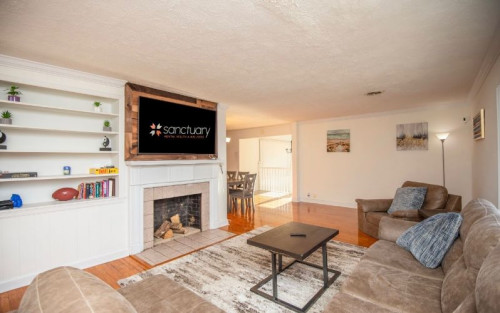
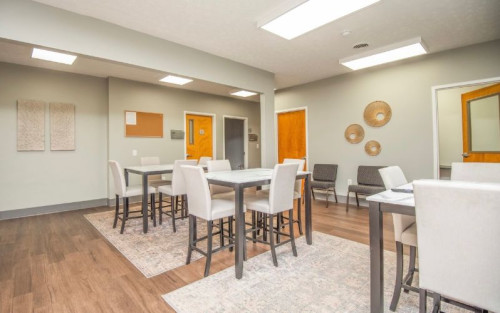

Sanctuary Mental Health & Wellness
Verified Center
This provider's information has been quality-checked by Recovery.com's Research Team for accuracy and completeness, including center verification through appropriate third-party organizations.
Treatment Focus
At this center, you receive personalized care for mental health conditions. They provide therapy and tailor treatment to your unique needs, diagnoses, and preferences.
Primary Level of Care
Outpatient treatment offers flexible therapeutic and medical care without the need to stay overnight in a hospital or inpatient facility. Some centers offer intensive outpatient program (IOP), which falls between inpatient care and traditional outpatient service.
Treatment Focus
At this center, you receive personalized care for mental health conditions. They provide therapy and tailor treatment to your unique needs, diagnoses, and preferences.
Primary Level of Care
Outpatient treatment offers flexible therapeutic and medical care without the need to stay overnight in a hospital or inpatient facility. Some centers offer intensive outpatient program (IOP), which falls between inpatient care and traditional outpatient service.
Provider's Policy
We work with most insurance.
Sanctuary Mental Health & Wellness
Sanctuary Mental Health & Wellness
About Sanctuary Mental Health & Wellness
Sanctuary Mental Health & Wellness provides outpatient care for various mental health conditions. Multiple levels of care offer varying intensity to meld with clients’ schedules and treatment needs. Sanctuary Mental Health & Wellness provides day treatment (partial hospitalization), an intensive outpatient program (IOP), outpatient program, and case management.
Clinical Evaluations and Assessments for Tailored Care
Sanctuary Mental Health & Wellness begins treatment with an assessment and psychological evaluation. The assessment and evaluation provide a detailed diagnosis and guide the next steps in treatment. They use a tailored blend of evidence-based and experiential therapy to address and treat various mental health conditions and process addictions. Clients in their day treatment program spend most of their weekdays at the center, returning home to sleep. Their intensive outpatient program welcomes clients 3-4 days weekly for several hours each time. In outpatient, clients meet 1-2 times weekly for a couple of hours.
Individualized Mental Health Recovery
Sanctuary Mental Health & Wellness provides treatment for multiple mental health conditions, including:
•Depression
•Anxiety
•Personality Disorders, including Borderline Personality Disorder
•Trauma/PTSD
•Bipolar Disorder
•Thought Disorders
•ADHD/ADD
Evidence-Based and Comprehensive
Sanctuary Mental Health & Wellness provides individual and group therapy, medication management, adventure therapy, and relapse prevention strategies for a well-rounded recovery experience. Their evidence-based therapies include cognitive behavioral therapy (CBT), dialectical behavioral therapy (DBT), motivational interviewing techniques, eye movement desensitization and reprocessing (EMDR), and family therapy. After treatment, case managers make local recommendations for doctors, family support, adventure groups, and meditation classes.
Highlights from the Center
Highlights
These highlights are provided by and paid for by the center.
Insurance Accepted
Therapeutic Location
Mental Health Disorder Treatment
Accredited
Center Overview
Treatment Focus
At this center, you receive personalized care for mental health conditions. They provide therapy and tailor treatment to your unique needs, diagnoses, and preferences.
Joint Commission Accredited
The Joint Commission accreditation is a voluntary, objective process that evaluates and accredits healthcare organizations (like treatment centers) based on performance standards designed to improve quality and safety for patients. To be accredited means the treatment center has been found to meet the Commission's standards for quality and safety in patient care.

Insurance Accepted






Cash Pay Rates
Estimated Cash Pay Rate
Center pricing can vary based on program and length of stay. Contact the center for more information. Recovery.com strives for price transparency so you can make an informed decision.


Levels of Care


Your Care Options
Specializations
Anxiety
Anxiety is a common mental health condition that can include excessive worry, panic attacks, physical tension, and increased blood pressure.
Bipolar
This mental health condition is characterized by extreme mood swings between depression, mania, and remission.
Depression
Symptoms of depression may include fatigue, a sense of numbness, and loss of interest in activities. This condition can range from mild to severe.
Gaming
Compulsive gaming is most often a problem for children and teens. The disorder can affect physical health, sleep, and the ability to focus at school.
Post Traumatic Stress Disorder
PTSD is a long-term mental health issue caused by a disturbing event or events. Symptoms include anxiety, dissociation, flashbacks, and intrusive thoughts.
Who We Treat
Men and Women
Men and women attend treatment for addiction in a co-ed setting, going to therapy groups together to share experiences, struggles, and successes.
Approaches
Evidence-Based
A combination of scientifically rooted therapies and treatments make up evidence-based care, defined by their measured and proven results.
Experiential
Expressive tools and therapies help patients process past situations, learn more about themselves, and find healing through action.
Individual Treatment
Individual care meets the needs of each patient, using personalized treatment to provide them the most relevant care and greatest chance of success.
Non 12 Step
Non-12-Step philosophies veer from the spiritual focus of the 12-Steps and instead treat the disease of addiction with holistic or secular modalities.
Therapies
1-on-1 Counseling
Patient and therapist meet 1-on-1 to work through difficult emotions and behavioral challenges in a personal, private setting.
Cognitive Behavioral Therapy
Cognitive Behavioral Therapy helps people identify and change unhelpful thought patterns and behaviors that contribute to emotional distress.
Dialectical Behavior Therapy
Dialectical Behavior Therapy teaches skills for managing emotions, improving relationships, tolerating distress, and increasing mindfulness.
Experiential Therapy
With this approach, patients heal by doing. Therapists help patients process difficult emotions to speak, using guided activities like art or dance.
Eye Movement Therapy (EMDR)
Lateral, guided eye movements help reduce the emotional reactions of retelling and reprocessing trauma, allowing intense feelings to dissipate.
Group Therapy
Group therapy brings people together in a supportive setting to share experiences, develop skills, and work toward common goals.
Meditation & Mindfulness
A practiced state of mind that brings patients to the present. It allows them to become fully aware of themselves, their feelings, and the present moment.
Motivational Interviewing
This is a collaborative counseling approach that helps individuals strengthen motivation and commitment to positive change.
Music Therapy
Singing, performing, and even listening to music can be therapeutic. Music therapy sessions are facilitated by certified counselors.
Languages
Conditions We Treat
ADHD, ADD
ADD and ADHD are neurodevelopmental conditions that affect attention, focus, organization, and impulse control, often impacting daily life, school, work, and relationships.
Anxiety
Anxiety is a common mental health condition that can include excessive worry, panic attacks, physical tension, and increased blood pressure.
Bipolar
This mental health condition is characterized by extreme mood swings between depression, mania, and remission.
Depression
Symptoms of depression may include fatigue, a sense of numbness, and loss of interest in activities. This condition can range from mild to severe.
Gambling
Gambling involves risking money or valuables on uncertain outcomes. Problem gambling can lead to financial difficulties, emotional distress, and relationship challenges.
Gaming
Compulsive gaming is most often a problem for children and teens. The disorder can affect physical health, sleep, and the ability to focus at school.
Internet Addiction
Internet addiction involves excessive online activity that interferes with daily responsibilities, relationships, mental health, or overall quality of life.
Personality Disorders
Personality disorders destabilize the way a person thinks, feels, and behaves. If untreated, they can undermine relationships and lead to severe distress.
Post Traumatic Stress Disorder
PTSD is a long-term mental health issue caused by a disturbing event or events. Symptoms include anxiety, dissociation, flashbacks, and intrusive thoughts.