Find Treatment By
Rehabs by Location


Find Treatment By
Learn
About Us
Recovery.com combines independent research with expert guidance on addiction and mental health treatment. Our mission is to help everyone find the best path to recovery through the most comprehensive, helpful network of treatment providers worldwide.
Advisory Council
Our advisory council brings together leaders in behavioral health, technology, and business. Their diverse expertise ensures our resources and product are innovative, evidence-based, and effective. They guide our mission as accomplished individuals dedicated to improving the landscape of addiction recovery and mental wellness.
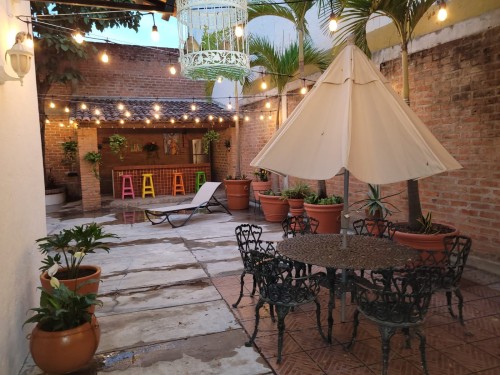

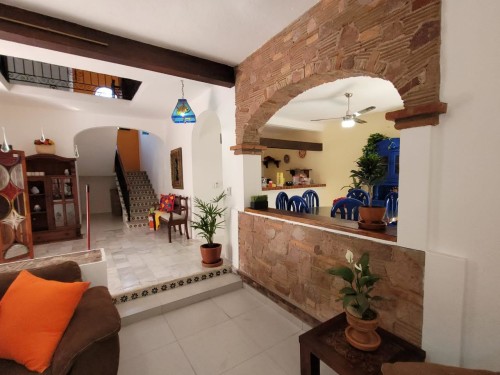

Sanáhra Residencial Rehab Center
Treatment Focus
This center primarily treats substance use disorders, helping you stabilize, create relapse-prevention plans, and connect to compassionate support.
Primary Level of Care
Offering intensive care with 24/7 monitoring, residential treatment is typically 30 days and can cover multiple levels of care. Length can range from 14 to 90 days typically.
Claimed
Recovery.com has connected directly with this treatment provider to validate the information in their profile.
Treatment Focus
This center primarily treats substance use disorders, helping you stabilize, create relapse-prevention plans, and connect to compassionate support.
Primary Level of Care
Offering intensive care with 24/7 monitoring, residential treatment is typically 30 days and can cover multiple levels of care. Length can range from 14 to 90 days typically.
Private Pay
You pay directly for treatment out of pocket. This approach can offer enhanced privacy and flexibility, without involving insurance. Exact costs vary based on program and length of stay. Contact the center for specific details.
Sanáhra Residencial Rehab Center
Sanáhra Residencial Rehab Center
About Sanáhra Residencial Rehab Center
Their immersive program helps individuals detox from substances, start a journey of abstinence, and restore their confidence as they pursue academic learning and skills training in various trades. Located in the resort town of Puerto Vallarta, Sanáhra offers an opportunity for clients to rebuild their lives with restored confidence and direction. They address mind, body, and spirit through the 12-Steps, medical support, holistic practices, physical activities, and workshops.
Discover Fulfillment in Recovery
Sanáhra uses temazcal, a type of sweat lodge, to help clients relax and detox their body of substances and toxins. These sessions start at 2-3 times a week and then decrease to once a week. They help strengthen self-esteem through encouraging academic education, learning trades like carpentry, electricity, and welding, and various workshops on knitting, baking bread, producing soap, and more. They offer various activities including yoga, meditation, reading, and painting, all helping clients discover joy and fulfillment away from substances.
Center Overview
Treatment Focus
This center primarily treats substance use disorders, helping you stabilize, create relapse-prevention plans, and connect to compassionate support.

Pricing and Program Length
Estimated Center Costs
The cost listed here ($8,000 - $11,500/ month), is an estimate of program cost. Center price can vary based on program and length of stay. Contact the center for more information. Recovery.com strives for price transparency so you can make an informed decision.
Levels of Care


Your Care Options
Specializations
Codependency
Codependency is a pattern of emotional dependence and controlling behavior. It's most common among people with addicted loved ones.
Depression
Symptoms of depression may include fatigue, a sense of numbness, and loss of interest in activities. This condition can range from mild to severe.
Drug Addiction
Drug addiction is the excessive and repetitive use of substances, despite harmful consequences to a person's life, health, and relationships.
Internet Addiction
Internet addiction involves excessive online activity that interferes with daily responsibilities, relationships, mental health, or overall quality of life.
Who We Treat
Young Adults
Emerging adults ages 18-25 receive treatment catered to the unique challenges of early adulthood, like college, risky behaviors, and vocational struggles.
Men and Women
Men and women attend treatment for addiction in a co-ed setting, going to therapy groups together to share experiences, struggles, and successes.
Midlife Adults
For adults ages 40+, treatment shifts to focus on the unique challenges, blocks, and risk factors of their age group, and unites peers in a similar community.
Mild Disabilities
Adults with mild physical or intellectual disabilities receive treatment catered to their specific needs in a safe and clinically supportive environment.
Approaches
Holistic
A non-medicinal, wellness-focused approach that aims to align the mind, body, and spirit for deep and lasting healing.
Personalized Treatment
The specific needs, histories, and conditions of individual patients receive personalized, highly relevant care throughout their recovery journey.
Twelve Step
Incorporating spirituality, community, and responsibility, 12-Step philosophies prioritize the guidance of a Higher Power and a continuation of 12-Step practices.
Wellness
Wellness philosophies focus on the physical, mental, and spiritual wellness of each patient, helping them restore purpose with natural remedies.
Therapies
1-on-1 Counseling
Patient and therapist meet 1-on-1 to work through difficult emotions and behavioral challenges in a personal, private setting.
Acceptance and Commitment Therapy (ACT)
This cognitive behavioral therapy teaches patients to accept challenging feelings and make the appropriate changes to reach personal goals.
Art Therapy
Visual art invites patients to examine the emotions within their work, focusing on the process of creativity and its gentle therapeutic power.
Cognitive Behavioral Therapy
Cognitive Behavioral Therapy helps people identify and change unhelpful thought patterns and behaviors that contribute to emotional distress.
Dialectical Behavior Therapy
Dialectical Behavior Therapy teaches skills for managing emotions, improving relationships, tolerating distress, and increasing mindfulness.
Family Therapy
Family therapy addresses group dynamics within a family system, with a focus on improving communication and interrupting unhealthy relationship patterns.
Group Therapy
Group therapy brings people together in a supportive setting to share experiences, develop skills, and work toward common goals.
Interpersonal Therapy
Interpersonal therapy focuses on improving relationships, communication, and social functioning to support mental health and emotional well-being.
Life Skills
Teaching life skills like cooking, cleaning, clear communication, and even basic math provides a strong foundation for continued recovery.
Languages
Conditions We Treat
Bipolar
This mental health condition is characterized by extreme mood swings between depression, mania, and remission.
Burnout
Burnout entails mental and physical exhaustion, and leads to a severe lack of fulfillment. This condition is often caused by overwork.
Chronic Pain Management
Long-term physical pain can have an affect on mental health. Without support, it can also impact your daily life and even lead to addiction.
Codependency
Codependency is a pattern of emotional dependence and controlling behavior. It's most common among people with addicted loved ones.
Depression
Symptoms of depression may include fatigue, a sense of numbness, and loss of interest in activities. This condition can range from mild to severe.
Gambling
Gambling involves risking money or valuables on uncertain outcomes. Problem gambling can lead to financial difficulties, emotional distress, and relationship challenges.
Internet Addiction
Internet addiction involves excessive online activity that interferes with daily responsibilities, relationships, mental health, or overall quality of life.
Shopping Addiction
Excessive shopping and spending also known as compulsive buying disorder makes life unsustainable. It puts a strain on finances, relationships, and emotional well-being.
Stress
Stress is a natural reaction to challenges, and it can even help you adapt. However, chronic stress can cause physical and mental health issues.
Substances We Treat
Alcohol
Using alcohol as a coping mechanism, or drinking excessively throughout the week, signals an alcohol use disorder.
Benzodiazepines
Benzodiazepines are prescribed to treat anxiety, insomnia, and seizures. They can be habit-forming and may cause drowsiness, memory problems, and dependence.
Chronic Relapse
Consistent relapse occurs repeatedly, after partial recovery from addiction. This condition requires long-term treatment.
Cocaine
Cocaine is a stimulant with euphoric effects. Agitation, muscle ticks, psychosis, and heart issues are common symptoms of cocaine use.
Drug Addiction
Drug addiction is the excessive and repetitive use of substances, despite harmful consequences to a person's life, health, and relationships.
Ecstasy
Ecstasy is a stimulant that causes intense euphoria and heightened awareness. Use of this drug can trigger depression, insomnia, and memory problems.
Heroin
Heroin is a highly addictive opioid that produces feelings of euphoria and relaxation. Its use carries serious risks, including overdose and dependence.
Marijuana
Marijuana is a psychoactive substance derived from cannabis. It can affect mood, memory, coordination, and perception, with varying effects between individuals.
Methamphetamine
Methamphetamine is a powerful stimulant that increases energy and alertness. Repeated use can lead to addiction and significant physical and mental health risks.
Aftercare
Care Designed for Your Needs
Personal Amenities
Amenities
Special Considerations
Pet Friendly
For greater comfort and healing, pet-friendly treatment centers welcome dogs and animal companions to stay with their owners while they attend treatment.
Flexible technology policies
Centers with flexible technology policies allow professionals to stay in touch with work and give patients a greater sense of connection and normalcy.
Activities
Yoga
Yoga is both a physical and spiritual practice. It includes a flow of movement, breathing techniques, and meditation.