Find Treatment By
Rehabs by Location


Find Treatment By
Learn
About Us
Recovery.com combines independent research with expert guidance on addiction and mental health treatment. Our mission is to help everyone find the best path to recovery through the most comprehensive, helpful network of treatment providers worldwide.
Advisory Council
Our advisory council brings together leaders in behavioral health, technology, and business. Their diverse expertise ensures our resources and product are innovative, evidence-based, and effective. They guide our mission as accomplished individuals dedicated to improving the landscape of addiction recovery and mental wellness.
Complete Rehab Plus
Treatment Focus
This center treats substance use disorders and mental health conditions. You'll receive individualized care catered to your unique situation and diagnosis, learn practical skills for recovery, and make new connections in a restorative environment.
Primary Level of Care
Offering intensive care with 24/7 monitoring, residential treatment is typically 30 days and can cover multiple levels of care. Length can range from 14 to 90 days typically.
Claimed
Recovery.com has connected directly with this treatment provider to validate the information in their profile.
Treatment Focus
This center treats substance use disorders and mental health conditions. You'll receive individualized care catered to your unique situation and diagnosis, learn practical skills for recovery, and make new connections in a restorative environment.
Primary Level of Care
Offering intensive care with 24/7 monitoring, residential treatment is typically 30 days and can cover multiple levels of care. Length can range from 14 to 90 days typically.
Private Pay
You pay directly for treatment out of pocket. This approach can offer enhanced privacy and flexibility, without involving insurance. Exact costs vary based on program and length of stay. Contact the center for specific details.
Complete Rehab Plus
Complete Rehab Plus
About Complete Rehab Plus
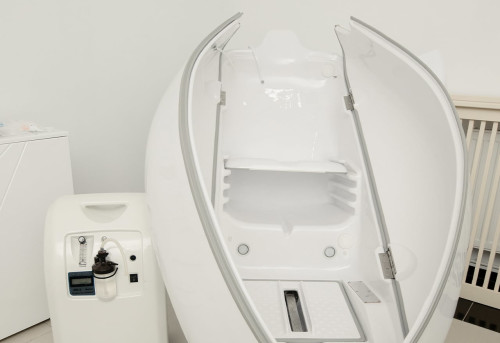
Complete Rehab Plus treats a wide range of addictions, including alcohol, drugs, gambling, and excessive screen use, along with co-occurring mental health conditions. They also offer specialized autism services and advanced diagnostic tools such as brain mapping, neurofeedback, and bioresonance. They are the only provider in Romania to use VR therapy and proprioceptive – deep tendon reflex therapy (P-DTR) to accelerate recovery and address trauma at its root.
Accelerate Healing with Innovative Approaches
Their detox and residential programs combine medical care with therapies like auricular acupuncture, clinical psychology, and ozone therapy. VR-assisted sessions help clients safely process triggers, while P-DTR corrects harmful patterns in the nervous system. These integrated approaches aim to reduce cravings, improve emotional stability, and set a strong foundation for lasting recovery.
Focus on Healing in a Supportive Environment
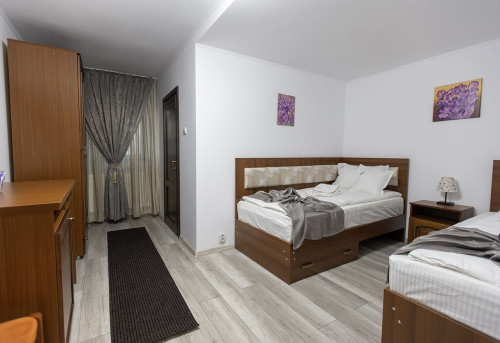
Clients stay in comfortable accommodation, with options for private or shared rooms and en-suite bathrooms. Nutritious meals are provided daily, and both indoor and outdoor spaces support rest and reflection. International guests benefit from organized travel arrangements, ensuring a smooth transition into care and a focus on healing from day one.
Maintain Progress with Flexible, Ongoing Care
For ongoing recovery, Complete Rehab Plus offers outpatient programs with flexible scheduling and therapy options. Their outpatient services also include comprehensive autism care for children, integrating behavioral therapies, psychological support, and vocational testing. This continuity of care helps clients and families maintain progress and build long-term resilience.
Center Overview
Treatment Focus
This center treats substance use disorders and mental health conditions. You'll receive individualized care catered to your unique situation and diagnosis, learn practical skills for recovery, and make new connections in a restorative environment.

Pricing and Program Length
Estimated Center Costs
The cost listed here (€ 650 - € 1,250/day), is an estimate of program cost. Center price can vary based on program and length of stay. Contact the center for more information. Recovery.com strives for price transparency so you can make an informed decision.
Levels of Care


Your Care Options
Specializations
Alcohol
Using alcohol as a coping mechanism, or drinking excessively throughout the week, signals an alcohol use disorder.
Detox
Detox fully and safely removes toxic substances from the body, allowing the next steps in treatment to begin with a clean slate.
Drug Addiction
Drug addiction is the excessive and repetitive use of substances, despite harmful consequences to a person's life, health, and relationships.
Neurofeedback
Neurofeedback uses real-time brain activity monitoring to help individuals improve self-regulation, focus, and emotional functioning.
Who We Treat
Adolescents
Teens receive the treatment they need for mental health disorders and addiction, with the added support of educational and vocational services.
Children
Treatment for children incorporates the psychiatric care they need and education, often led by on-site teachers to keep children on track with school.
Men and Women
Men and women attend treatment for addiction in a co-ed setting, going to therapy groups together to share experiences, struggles, and successes.
Approaches
Bio-Medical
A philosophy focusing on the biomechanics behind mental health disorders, using prescribed medications as a supplement to behavioral therapy.
Evidence-Based
A combination of scientifically rooted therapies and treatments make up evidence-based care, defined by their measured and proven results.
Holistic
A non-medicinal, wellness-focused approach that aims to align the mind, body, and spirit for deep and lasting healing.
Personalized Treatment
The specific needs, histories, and conditions of individual patients receive personalized, highly relevant care throughout their recovery journey.
Therapies
1-on-1 Counseling
Patient and therapist meet 1-on-1 to work through difficult emotions and behavioral challenges in a personal, private setting.
Acupuncture
Acupuncture is a traditional practice that involves inserting thin needles into specific points on the body to support health and well-being.
Art Therapy
Visual art invites patients to examine the emotions within their work, focusing on the process of creativity and its gentle therapeutic power.
Biofeedback
Biofeedback teaches individuals to monitor and regulate physiological responses, such as heart rate and muscle tension, to improve health and well-being.
Cognitive Behavioral Therapy
Cognitive Behavioral Therapy helps people identify and change unhelpful thought patterns and behaviors that contribute to emotional distress.
Group Therapy
Group therapy brings people together in a supportive setting to share experiences, develop skills, and work toward common goals.
Massage Therapy
Massage therapy relieves physical and emotional tension, reduces pain, promotes relaxation, and improves emotion regulation.
Neurofeedback
Neurofeedback uses real-time brain activity monitoring to help individuals improve self-regulation, focus, and emotional functioning.
Psychoeducation
This method combines treatment with education, teaching patients about different paths toward recovery. This empowers them to make more effective decisions.
Languages
Conditions We Treat
Alcohol
Using alcohol as a coping mechanism, or drinking excessively throughout the week, signals an alcohol use disorder.
Anxiety
Anxiety is a common mental health condition that can include excessive worry, panic attacks, physical tension, and increased blood pressure.
Co-Occurring Disorders
A person with multiple mental health diagnoses, such as addiction and depression, has co-occurring disorders also called dual diagnosis.
Depression
Symptoms of depression may include fatigue, a sense of numbness, and loss of interest in activities. This condition can range from mild to severe.
Drug Addiction
Drug addiction is the excessive and repetitive use of substances, despite harmful consequences to a person's life, health, and relationships.
Gambling
Gambling involves risking money or valuables on uncertain outcomes. Problem gambling can lead to financial difficulties, emotional distress, and relationship challenges.
Gaming
Compulsive gaming is most often a problem for children and teens. The disorder can affect physical health, sleep, and the ability to focus at school.
Internet Addiction
Internet addiction involves excessive online activity that interferes with daily responsibilities, relationships, mental health, or overall quality of life.
Trauma
Some traumatic events are so disturbing that they cause long-term mental health problems. Those ongoing issues can also be referred to as "trauma."