Find Treatment By
Rehabs by Location


Find Treatment By
Learn
About Us
Recovery.com combines independent research with expert guidance on addiction and mental health treatment. Our mission is to help everyone find the best path to recovery through the most comprehensive, helpful network of treatment providers worldwide.
Advisory Council
Our advisory council brings together leaders in behavioral health, technology, and business. Their diverse expertise ensures our resources and product are innovative, evidence-based, and effective. They guide our mission as accomplished individuals dedicated to improving the landscape of addiction recovery and mental wellness.

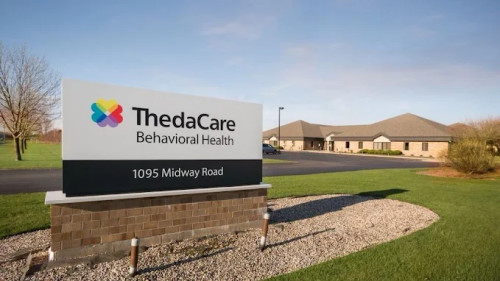
ThedaCare Menasha
Treatment Focus
This center treats substance use disorders and mental health conditions. You'll receive individualized care catered to your unique situation and diagnosis, learn practical skills for recovery, and make new connections in a restorative environment.
Primary Level of Care
Outpatient treatment offers flexible therapeutic and medical care without the need to stay overnight in a hospital or inpatient facility. Some centers offer intensive outpatient program (IOP), which falls between inpatient care and traditional outpatient service.
This provider hasn't verified their profile's information. Are you the owner of this center? Claim your listing to better manage your presence on Recovery.com.
Treatment Focus
This center treats substance use disorders and mental health conditions. You'll receive individualized care catered to your unique situation and diagnosis, learn practical skills for recovery, and make new connections in a restorative environment.
Primary Level of Care
Outpatient treatment offers flexible therapeutic and medical care without the need to stay overnight in a hospital or inpatient facility. Some centers offer intensive outpatient program (IOP), which falls between inpatient care and traditional outpatient service.
Private Pay
You pay directly for treatment out of pocket. This approach can offer enhanced privacy and flexibility, without involving insurance. Exact costs vary based on program and length of stay. Contact the center for specific details.
ThedaCare Menasha
ThedaCare Menasha
About ThedaCare Menasha
This behavioral health clinic desires to help patients with the health of their minds. They provide an emergency department for cases where patients are experiencing extreme agitation due to their mental health condition, self harm has occurred or if patients are experiencing withdrawal symptoms or there’s a concern of overdose. Their walk-in care allows patients to be seen on the same day. The walk-in care services are appropriate for patients with moderate to severe psychiatric symptoms, substance using patients who require a first step toward recovery or patients who are unable to function normally day to day. The inpatient program is for patients who are of imminent risk to themselves or others or are experiencing thoughts of harm to self or others. The outpatient program is for patients whose symptoms are mild to moderate and/or need medication management. The program includes individual and group counseling, substance use disorder treatment and psychological testing and evaluation.
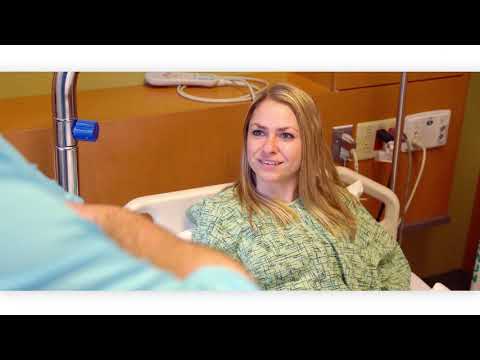
Center Overview
Treatment Focus
This center treats substance use disorders and mental health conditions. You'll receive individualized care catered to your unique situation and diagnosis, learn practical skills for recovery, and make new connections in a restorative environment.

Cash Pay Rates
Estimated Cash Pay Rate
Center pricing can vary based on program and length of stay. Contact the center for more information. Recovery.com strives for price transparency so you can make an informed decision.
Meet Your Care Team
Emma Polzin
APNP Psychiatry
N.P.
Christine Hansen
Licensed Professional Counselor
LPC
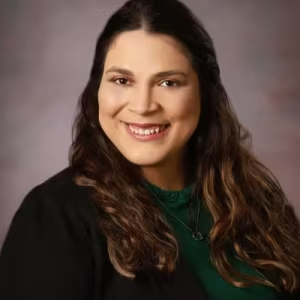
Yvette Goebel
Psychology
Ph.D.
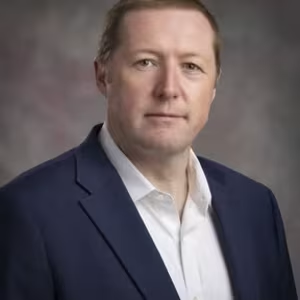
Nathaniel Albrecht
D.O.
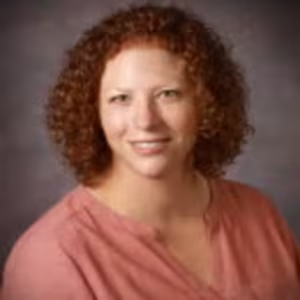
Lisa Michno
Substance Abuse Counselor
B.A., M.A.

Melissa Pecor
Psychology
Ph.D.
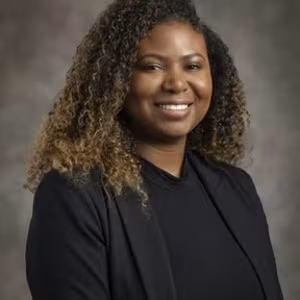
Tierra Simmons
Psychiatry
M.D.

Andrew Goebel
Psychology
Ph.D.
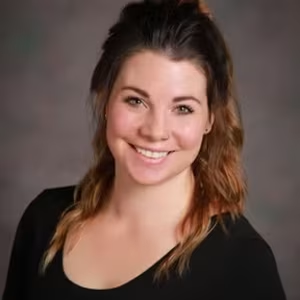
Samantha Raboin
Licensed Professional Counselor
LPC
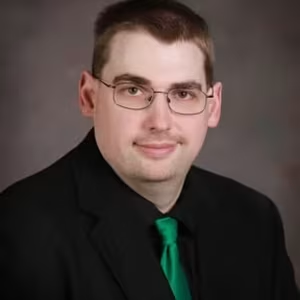
Jonathan Marin
Psychology
Ph.D., M.A.
Kim Prusha
Licensed Professional Counselor, Mental Health Day Treatment
LPC, BSN, M.S.

Stephen Umhoefer
Licensed Professional Counselor
B.A., M.S.E., LPC
Nola Stanley
Licensed Professional Counselor
LPC

Theresa Chinnery
Neuropsychology
Ph.D.

Regan Eberhart
Licensed Clinical Social Worker
LCSW

Caitlin Reider
Substance Abuse Counselor
A.A.S., B.S., M.S.

Rachel Bresler
Licensed Professional Counselor
LPC, M.A.

Yong Li
Telemedicine-Psychiatry
M.D., Ph.D.

Veronica Wright
Substance Abuse Counselor
SAC
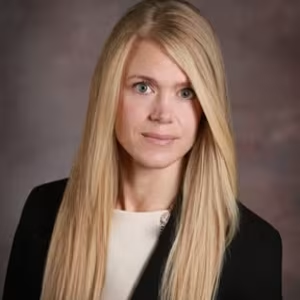
Shanon Heid
Licensed Professional Counselor
LPC
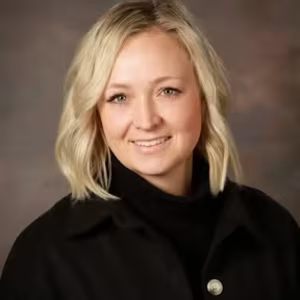
Emily Bebout
Social Work
M.S.W., B.S.W.

Michael Panzer
Psychiatry
M.D.

Matthew Bayer
Psychiatry
M.D.
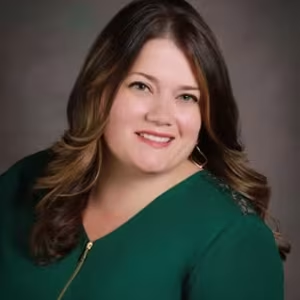
Lee Kutchenriter
Social Work
LCSW, M.S.W.
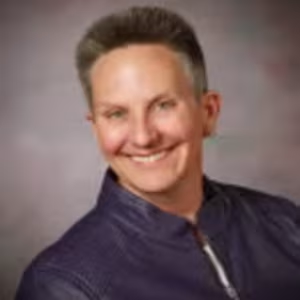
Leslie Steckbauer
Substance Abuse Counselor
SAC
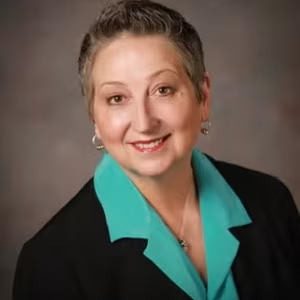
Kristi Skrinska
APNP Psychiatry, Psychiatry
M.S.N., B.A., R.N.
Levels of Care


Your Care Options
Specializations
Day Treatment
In a PHP, patients live at home but follow an intensive schedule of treatment. Most programs require you to be on-site for about 40 hours per week.
Alcohol
Using alcohol as a coping mechanism, or drinking excessively throughout the week, signals an alcohol use disorder.
Drug Addiction
Drug addiction is the excessive and repetitive use of substances, despite harmful consequences to a person's life, health, and relationships.
Licensed Primary Mental Health
Some primary care providers offer mental health diagnosis and treatment. This can prevent patients from developing more serious conditions.
Outpatient
During outpatient rehab, patients attend a structured treatment program while continuing to live at home.
Who We Treat
Men and Women
Men and women attend treatment for addiction in a co-ed setting, going to therapy groups together to share experiences, struggles, and successes.
Approaches
Medical
Medical addiction treatment uses approved medications to manage withdrawals and cravings, and to treat contributing mental health conditions.
Personalized Treatment
The specific needs, histories, and conditions of individual patients receive personalized, highly relevant care throughout their recovery journey.
Strengths-Based
Providers using a strengths-based philosophy focus on the positive traits of their patients, creating a positive feedback loop that grows confidence.
Therapies
1-on-1 Counseling
Patient and therapist meet 1-on-1 to work through difficult emotions and behavioral challenges in a personal, private setting.
Medication-Assisted Treatment
Combined with behavioral therapy, prescribed medications can enhance treatment by relieving withdrawal symptoms and focus patients on their recovery.
Trauma-Specific Therapy
This form of talk therapy addresses any childhood trauma at the root of a patient's current diagnosis.
Languages
Conditions We Treat
Anger
Although anger itself isn't a disorder, it can get out of hand. If this feeling interferes with your relationships and daily functioning, treatment can help.
Anxiety
Anxiety is a common mental health condition that can include excessive worry, panic attacks, physical tension, and increased blood pressure.
Bipolar
This mental health condition is characterized by extreme mood swings between depression, mania, and remission.
Depression
Symptoms of depression may include fatigue, a sense of numbness, and loss of interest in activities. This condition can range from mild to severe.
Post Traumatic Stress Disorder
PTSD is a long-term mental health issue caused by a disturbing event or events. Symptoms include anxiety, dissociation, flashbacks, and intrusive thoughts.
Self-Harm
The act of intentionally harming oneself, also called self-injury, is associated with mental health issues like depression.
Trauma
Some traumatic events are so disturbing that they cause long-term mental health problems. Those ongoing issues can also be referred to as "trauma."
Substances We Treat
Alcohol
Using alcohol as a coping mechanism, or drinking excessively throughout the week, signals an alcohol use disorder.
Co-Occurring Disorders
A person with multiple mental health diagnoses, such as addiction and depression, has co-occurring disorders also called dual diagnosis.
Cocaine
Cocaine is a stimulant with euphoric effects. Agitation, muscle ticks, psychosis, and heart issues are common symptoms of cocaine abuse.
Drug Addiction
Drug addiction is the excessive and repetitive use of substances, despite harmful consequences to a person's life, health, and relationships.
Methamphetamine
Methamphetamine, or meth, increases energy, agitation, and paranoia. Long-term use can result in severe physical and mental health issues.
Opioids
Opioids produce pain-relief and euphoria, which can lead to addiction. This class of drugs includes prescribed medication and the illegal drug heroin.
Prescription Drugs
It's possible to abuse any drug, even prescribed ones. If you crave a medication, or regularly take it more than directed, you may have an addiction.
Synthetic Drugs
Synthetic drugs are made in a lab, unlike plant-based drugs like mushrooms. Most synthetic drugs are either stimulants or synthetic cannabinoids.
Care Designed for Your Needs
Smoking and Vaping Policy
What people are saying
Treatment
4.0
Accommodations
4.0
Food & Nutrition
3.0
Value
3.5
Anonymous
Reviewed 01/06/16
Review from Rehabs.com