Find Treatment By
Rehabs by Location


Find Treatment By
Learn
About Us
Recovery.com combines independent research with expert guidance on addiction and mental health treatment. Our mission is to help everyone find the best path to recovery through the most comprehensive, helpful network of treatment providers worldwide.
Advisory Council
Our advisory council brings together leaders in behavioral health, technology, and business. Their diverse expertise ensures our resources and product are innovative, evidence-based, and effective. They guide our mission as accomplished individuals dedicated to improving the landscape of addiction recovery and mental wellness.



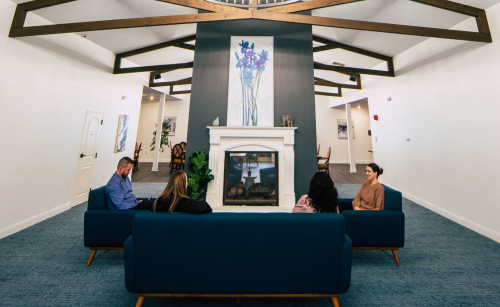
The Sylvia Brafman Mental Health Center Georgia
Verified Center
This provider's information has been quality-checked by Recovery.com's Research Team for accuracy and completeness, including center verification through appropriate third-party organizations.
Treatment Focus
This center treats mental health conditions and co-occurring substance use. You receive collaborative, individualized treatment that addresses both issues for whole-person healing.
Primary Level of Care
Offering intensive care with 24/7 monitoring, residential treatment is typically 30 days and can cover multiple levels of care. Length can range from 14 to 90 days typically.
Treatment Focus
This center treats mental health conditions and co-occurring substance use. You receive collaborative, individualized treatment that addresses both issues for whole-person healing.
Primary Level of Care
Offering intensive care with 24/7 monitoring, residential treatment is typically 30 days and can cover multiple levels of care. Length can range from 14 to 90 days typically.
Provider's Policy
The Sylvia Brafman Mental Health Center Georgia works with all major private medical insurance networks. If you don’t have medical insurance coverage or elect not to use it, we have reasonable self-pay rates and options worth exploring. We regret that we cannot work with state or federal (Medicaid or Medicare) insurance for mental health treatment at SBMHC.
The Sylvia Brafman Mental Health Center Georgia
The Sylvia Brafman Mental Health Center Georgia
About The Sylvia Brafman Mental Health Center Georgia
The Sylvia Brafman Mental Health Center, located in Georgia, is a residential treatment facility specializing in mental health and dual-diagnosis care. Founded by visionary leaders in the behavioral health industry, the center offers an all-encompassing approach where cutting-edge clinical expertise meets genuine human understanding. They specialize in treating a spectrum of mental health disorders, from the depths of depression and anxiety to the complexities of bipolar disorder and PTSD.
Maximize Chances for Recovery
Offering a blend of intensive clinical care and comfort, The Sylvia Brafman Center is set apart from traditional mental health hospitals. In their luxurious yet homey inpatient setting, clients receive comprehensive clinical, medical, and psychiatric treatment while enjoying private bedrooms with en-suite bathrooms and home-cooked meals. This comfortable environment supports mental health stabilization, allowing clients to feel at ease as they begin their healing journey. The center's approach is highly personalized, featuring small, intimate therapy groups and individualized treatment plans that typically span 30-90 days, depending on the needs of each person. The center focuses on accurate diagnosis, social therapeutic services, and strongly emphasizes family systems throughout the treatment process. This multifaceted strategy, combined with the center's exceptional clinical and medical backbone, offers an alternative to hospitalization, addressing mental wellness from various angles to support long-term recovery.
Unlock Personalized Healing with Innovative Treatment Options
The Sylvia Brafman Mental Health Center offers innovative programs and holistic therapies that go beyond conventional treatment norms. Their unique career launch program, led by co-founder Jaime Blaustein, helps patients navigate their career and educational paths forward. The center provides an array of wellness services, including genetic testing, nutrition counseling, yoga, reiki, and physical fitness. Evidence-based therapies like cognitive behavioral therapy (CBT), acceptance and commitment therapy (ACT), and eye movement desensitization and reprocessing (EMDR) are complemented by holistic approaches to create a well-rounded treatment experience. To make their world-class treatment accessible, the center accepts insurance with out-of-network benefits and offers private pay options. Grounded in empathy, genuine care, and clinical excellence, The Sylvia Brafman Mental Health Center provides a supportive healing environment for those seeking recovery.

Highlights from the Center
Highlights
These highlights are provided by and paid for by the center.
1-on-1 Counseling
Perfect for Professionals
Trauma-Informed Care
Private Rooms Only
Center Overview
Treatment Focus
This center treats mental health conditions and co-occurring substance use. You receive collaborative, individualized treatment that addresses both issues for whole-person healing.
Insurance Accepted






Cash Pay Rates
Estimated Cash Pay Rate
Center pricing can vary based on program and length of stay. Contact the center for more information. Recovery.com strives for price transparency so you can make an informed decision.
Luxury rehab centers offer a unique blend of luxurious amenities and high-quality treatment. From private suites to gourmet dining, personal trainers to spa treatments, these facilities provide a high level of comfort and discretion.
Top 50 Rehabs in the World
Meet Your Care Team
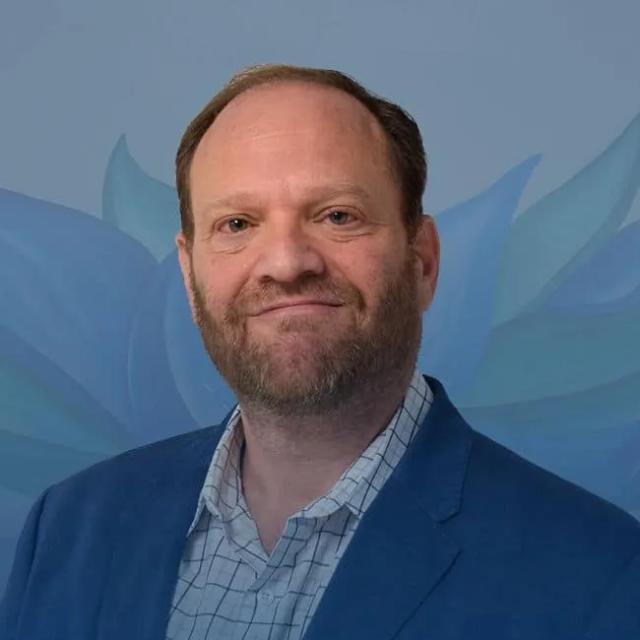
Ben Brafman
Co-Founder, Chief Clinical Officer
MS, LMHC
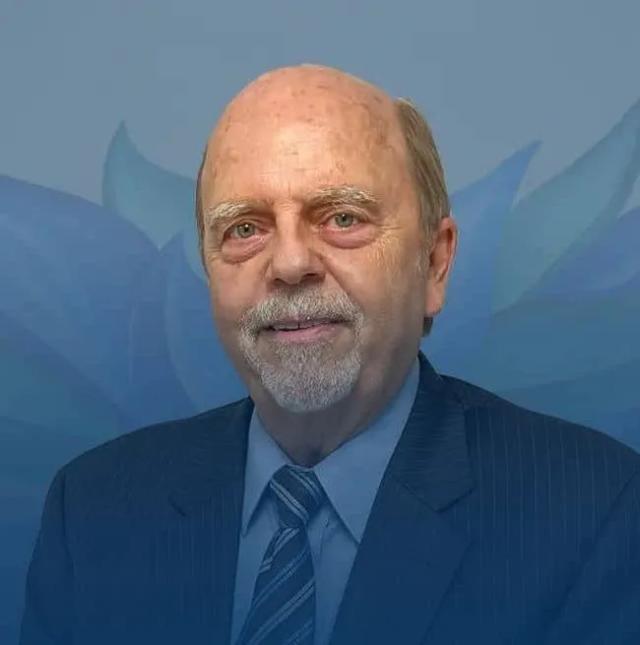
Richard Seely
Director of Psychiatry
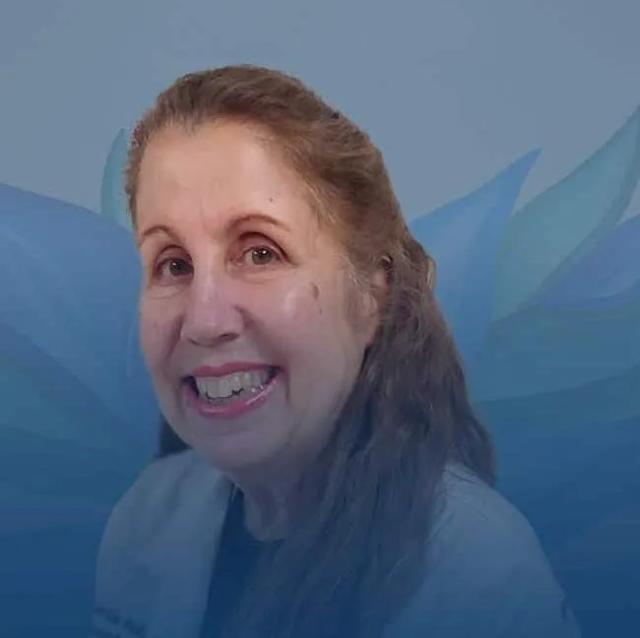
Linda Dolin
Medical Director
MD
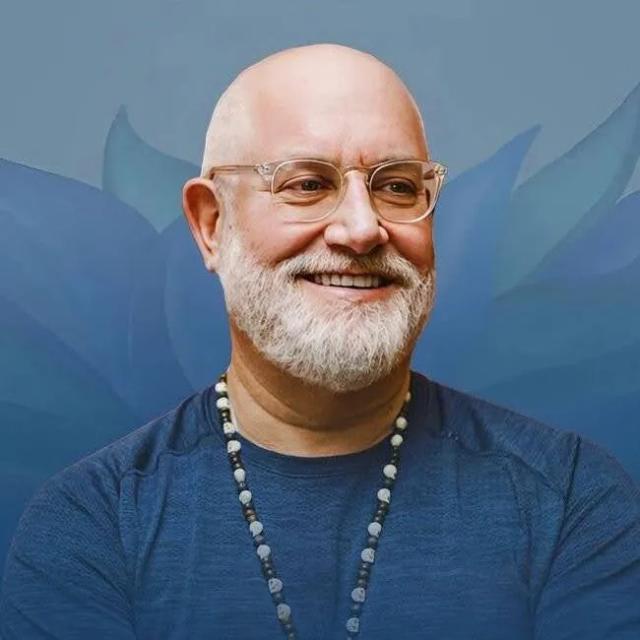
Michael Malamed
Spiritual Ambassador
TTA
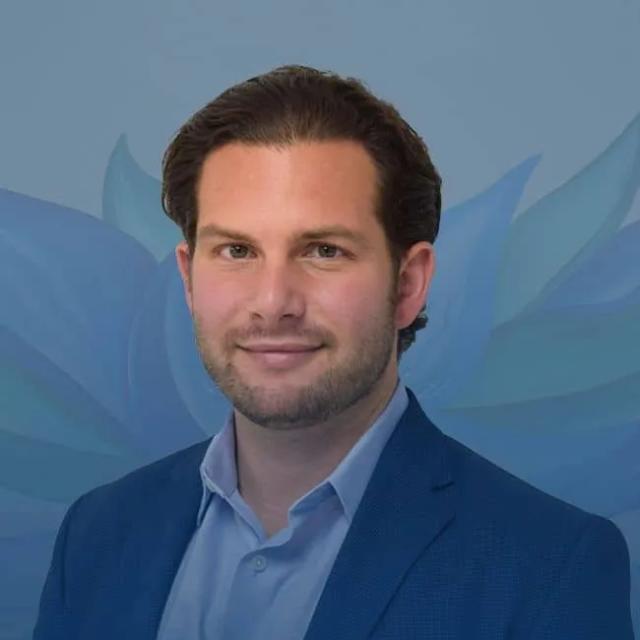
Jaime Blaustein
Co-Founder, CEO


Levels of Care


Your Care Options
Specializations
Intensive Inpatient
The highest level of care, medically managed intensive inpatient services provides 24-hour nursing and physician care.
Anxiety
Anxiety is a common mental health condition that can include excessive worry, panic attacks, physical tension, and increased blood pressure.
Bipolar
This mental health condition is characterized by extreme mood swings between depression, mania, and remission.
Co-Occurring Disorders
A person with multiple mental health diagnoses, such as addiction and depression, has co-occurring disorders also called dual diagnosis.
Depression
Symptoms of depression may include fatigue, a sense of numbness, and loss of interest in activities. This condition can range from mild to severe.
Executives
Executive treatment programs typically directly support the needs of people who manage businesses and may provide flexible schedules and office space to allow work during treatment.
Trauma
Some traumatic events are so disturbing that they cause long-term mental health problems. Those ongoing issues can also be referred to as "trauma."
Who We Treat
Older Adults
Addiction and mental health treatment caters to adults 55+ and the age-specific challenges that can come with recovery, wellness, and overall happiness.
Executives
Executive treatment programs typically directly support the needs of people who manage businesses and may provide flexible schedules and office space to allow work during treatment.
Young Adults
Emerging adults ages 18-25 receive treatment catered to the unique challenges of early adulthood, like college, risky behaviors, and vocational struggles.
LGBTQ+
Addiction and mental illnesses in the LGBTQ+ community must be treated with an affirming, safe, and relevant approach, which many centers provide.
Men and Women
Men and women attend treatment for addiction in a co-ed setting, going to therapy groups together to share experiences, struggles, and successes.
Pregnant Women
Addiction and mental health treatment meets the clinical and psychological needs of pregnant women, ensuring they receive optimal care in all areas.
Approaches
Evidence-Based
A combination of scientifically rooted therapies and treatments make up evidence-based care, defined by their measured and proven results.
Family Involvement
Providers involve family in the treatment of their loved one through family therapy, visits, or both–because addiction is a family disease.
Personalized Treatment
The specific needs, histories, and conditions of individual patients receive personalized, highly relevant care throughout their recovery journey.
Therapies
1-on-1 Counseling
Patient and therapist meet 1-on-1 to work through difficult emotions and behavioral challenges in a personal, private setting.
Acceptance and Commitment Therapy (ACT)
This cognitive behavioral therapy teaches patients to accept challenging feelings and make the appropriate changes to reach personal goals.
Acupuncture
Acupuncture is a traditional practice that involves inserting thin needles into specific points on the body to support health and well-being.
Adult-Child Therapy
Adult-child therapy helps strengthen relationships, communication, and emotional understanding between children and their parents or caregivers.
Art Therapy
Visual art invites patients to examine the emotions within their work, focusing on the process of creativity and its gentle therapeutic power.
Cognitive Behavioral Therapy
Cognitive Behavioral Therapy helps people identify and change unhelpful thought patterns and behaviors that contribute to emotional distress.
Dialectical Behavior Therapy
Dialectical Behavior Therapy teaches skills for managing emotions, improving relationships, tolerating distress, and increasing mindfulness.
Equine Therapy
Guided interactions with trained horses, their handler, and a therapist can help patients improve their self-esteem, trust, empathy, and social skills.
Experiential Therapy
With this approach, patients heal by doing. Therapists help patients process difficult emotions to speak, using guided activities like art or dance.
Languages
Conditions We Treat
ADHD, ADD
ADD and ADHD are neurodevelopmental conditions that affect attention, focus, organization, and impulse control, often impacting daily life, school, work, and relationships.
Anger
Although anger itself isn't a disorder, it can get out of hand. If this feeling interferes with your relationships and daily functioning, treatment can help.
Anxiety
Anxiety is a common mental health condition that can include excessive worry, panic attacks, physical tension, and increased blood pressure.
Bipolar
This mental health condition is characterized by extreme mood swings between depression, mania, and remission.
Codependency
Codependency is a pattern of emotional dependence and controlling behavior. It's most common among people with addicted loved ones.
Depression
Symptoms of depression may include fatigue, a sense of numbness, and loss of interest in activities. This condition can range from mild to severe.
Gambling
Gambling involves risking money or valuables on uncertain outcomes. Problem gambling can lead to financial difficulties, emotional distress, and relationship challenges.
Gaming
Compulsive gaming is most often a problem for children and teens. The disorder can affect physical health, sleep, and the ability to focus at school.
Grief and Loss
Grief is a natural reaction to loss, but severe grief can interfere with your ability to function. You can get treatment for this condition.
Substances We Treat
Alcohol
Using alcohol as a coping mechanism, or drinking excessively throughout the week, signals an alcohol use disorder.
Benzodiazepines
Benzodiazepines are prescribed to treat anxiety, insomnia, and seizures. They can be habit-forming and may cause drowsiness, memory problems, and dependence.
Chronic Relapse
Consistent relapse occurs repeatedly, after partial recovery from addiction. This condition requires long-term treatment.
Co-Occurring Disorders
A person with multiple mental health diagnoses, such as addiction and depression, has co-occurring disorders also called dual diagnosis.
Drug Addiction
Drug addiction is the excessive and repetitive use of substances, despite harmful consequences to a person's life, health, and relationships.
Nicotine
Nicotine is a highly addictive substance found in tobacco products and many vapes. It affects the brain, mood, and cardiovascular system. Treatment can help you stop using nicotine.
Smoking Cessation
Smoking cessation is the process of quitting tobacco or nicotine use through behavioral support, medication, lifestyle changes, or a combination of approaches.
Aftercare
Care Designed for Your Needs
Personal Amenities
Amenities
Special Considerations
Gender-specific groups
Patients in gender-specific groups gain the opportunity to discuss challenges unique to their gender in a comfortable, safe setting conducive to healing.
Pet Friendly
For greater comfort and healing, pet-friendly treatment centers welcome dogs and animal companions to stay with their owners while they attend treatment.
Activities
Yoga
Yoga is both a physical and spiritual practice. It includes a flow of movement, breathing techniques, and meditation.