Find Treatment By
Rehabs by Location


Find Treatment By
Learn
About Us
Recovery.com combines independent research with expert guidance on addiction and mental health treatment. Our mission is to help everyone find the best path to recovery through the most comprehensive, helpful network of treatment providers worldwide.
Advisory Council
Our advisory council brings together leaders in behavioral health, technology, and business. Their diverse expertise ensures our resources and product are innovative, evidence-based, and effective. They guide our mission as accomplished individuals dedicated to improving the landscape of addiction recovery and mental wellness.


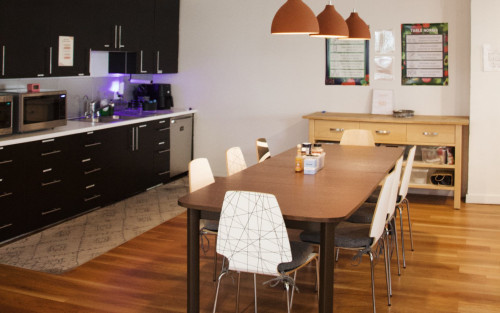

The Lotus Collaborative San Francisco
Treatment Focus
You can get treatment for eating disorders at this center, helping you navigate symptoms, build coping tools, and restore your physical health under expert care.
Primary Level of Care
Outpatient treatment offers flexible therapeutic and medical care without the need to stay overnight in a hospital or inpatient facility. Some centers offer intensive outpatient program (IOP), which falls between inpatient care and traditional outpatient service.
Claimed
Recovery.com has connected directly with this treatment provider to validate the information in their profile.
Treatment Focus
You can get treatment for eating disorders at this center, helping you navigate symptoms, build coping tools, and restore your physical health under expert care.
Primary Level of Care
Outpatient treatment offers flexible therapeutic and medical care without the need to stay overnight in a hospital or inpatient facility. Some centers offer intensive outpatient program (IOP), which falls between inpatient care and traditional outpatient service.
Provider's Policy
We are in network with AETNA, Anthem Blue Cross, CIGNA. United Healthcare, and Kaiser. We also work with the counties of San Francisco and Santa Cruz and will work with MediCal to get single case agreements. We also will try for a Single Case Agreement with other insurance providers but cannot guarantee.
The Lotus Collaborative San Francisco
The Lotus Collaborative San Francisco
About The Lotus Collaborative San Francisco
The Lotus Collaborative provides specialized, holistic treatment supporting all genders ages 14 and up struggling with eating disorders, anxiety, depression, and trauma. With locations in Santa Cruz and San Francisco, The Lotus Collaborative offers intensive outpatient programs (IOP), day treatment (PHP), and individual therapy in colorful, home-like settings.
Engage in Whole-Person, Trauma-Informed Healing
Services include individual psychotherapy, somatic support, as well as workshops in specific aspects of trauma healing. Programs range from 3 hours per day, 3 days a week to their most intensive support that runs 6 to 7 hours a day, up to 7 days a week. While schedules may vary, clients engage in individual and group therapy throughout the day as well as mindfulness training, zen meditation, and nutritional counseling.
Gain Structure and Support In-Person or Virtually
Their mood and trauma IOP provides comprehensive care for depression, anxiety, and PTSD, offering three hours of structured group therapy each day. Sessions are available virtually, Monday through Friday evenings. Their team supports individuals of all genders, aged 18 and older, residing in California. The program combines the convenience and flexibility of online treatment with the option for in-person sessions.
Strengthen Recovery With Intensive, Daily Treatment
The Lotus Collaborative's eating disorder PHP caters to individuals aged 14 and older, featuring tailored programming for adolescents and their families, in addition to adults. By providing 5–7 hours of daily structured support, this level of care offers intensive treatment that helps individuals to make progress in their recovery and acquire the skills needed to stabilize their behaviors.
Apply Therapeutic Insights to Everyday Life
Their eating disorder IOP provides 3+ hours of structured group and individual care, 3–7 days a week. This program helps clients build and apply recovery skills in daily life while in the safety of a recovery-focused community.
Center Overview
Treatment Focus
You can get treatment for eating disorders at this center, helping you navigate symptoms, build coping tools, and restore your physical health under expert care.

Insurance Accepted






Cash Pay Rates
Estimated Cash Pay Rate
Center pricing can vary based on program and length of stay. Contact the center for more information. Recovery.com strives for price transparency so you can make an informed decision.
Levels of Care


Your Care Options
Specializations
Co-Occurring Disorders
A person with multiple mental health diagnoses, such as addiction and depression, has co-occurring disorders also called dual diagnosis.
Depression
Symptoms of depression may include fatigue, a sense of numbness, and loss of interest in activities. This condition can range from mild to severe.
Eating Disorders
An eating disorder is a long-term pattern of unhealthy behavior relating to food. Most people with eating disorders have a distorted self-image.
Trauma
Some traumatic events are so disturbing that they cause long-term mental health problems. Those ongoing issues can also be referred to as "trauma."
Who We Treat
Men and Women
Men and women attend treatment for addiction in a co-ed setting, going to therapy groups together to share experiences, struggles, and successes.
Approaches
Evidence-Based
A combination of scientifically rooted therapies and treatments make up evidence-based care, defined by their measured and proven results.
Holistic
A non-medicinal, wellness-focused approach that aims to align the mind, body, and spirit for deep and lasting healing.
Non 12 Step
Non-12-Step philosophies veer from the spiritual focus of the 12-Steps and instead treat the disease of addiction with holistic or secular modalities.
Strengths-Based
Providers using a strengths-based philosophy focus on the positive traits of their patients, creating a positive feedback loop that grows confidence.
Therapies
1-on-1 Counseling
Patient and therapist meet 1-on-1 to work through difficult emotions and behavioral challenges in a personal, private setting.
Acceptance and Commitment Therapy (ACT)
This cognitive behavioral therapy teaches patients to accept challenging feelings and make the appropriate changes to reach personal goals.
Animal Therapy
Animals can inspire trust and self-worth. In this experiential therapy, guided interactions are used to improve social skills and emotion regulation.
Body Image Therapy
Therapists use cognitive behavior techniques to challenge how patients perceive their body and their worth, rewriting negative thoughts and attitudes.
Experiential Therapy
With this approach, patients heal by doing. Therapists help patients process difficult emotions to speak, using guided activities like art or dance.
Eye Movement Therapy (EMDR)
Lateral, guided eye movements help reduce the emotional reactions of retelling and reprocessing trauma, allowing intense feelings to dissipate.
Languages
Conditions We Treat
Anxiety
Anxiety is a common mental health condition that can include excessive worry, panic attacks, physical tension, and increased blood pressure.
Codependency
Codependency is a pattern of emotional dependence and controlling behavior. It's most common among people with addicted loved ones.
Depression
Symptoms of depression may include fatigue, a sense of numbness, and loss of interest in activities. This condition can range from mild to severe.
Eating Disorders
An eating disorder is a long-term pattern of unhealthy behavior relating to food. Most people with eating disorders have a distorted self-image.
Post Traumatic Stress Disorder
PTSD is a long-term mental health issue caused by a disturbing event or events. Symptoms include anxiety, dissociation, flashbacks, and intrusive thoughts.
Trauma
Some traumatic events are so disturbing that they cause long-term mental health problems. Those ongoing issues can also be referred to as "trauma."
Substances We Treat
Co-Occurring Disorders
A person with multiple mental health diagnoses, such as addiction and depression, has co-occurring disorders also called dual diagnosis.