Find Treatment By
Rehabs by Location


Find Treatment By
Learn
About Us
Recovery.com combines independent research with expert guidance on addiction and mental health treatment. Our mission is to help everyone find the best path to recovery through the most comprehensive, helpful network of treatment providers worldwide.
Advisory Council
Our advisory council brings together leaders in behavioral health, technology, and business. Their diverse expertise ensures our resources and product are innovative, evidence-based, and effective. They guide our mission as accomplished individuals dedicated to improving the landscape of addiction recovery and mental wellness.
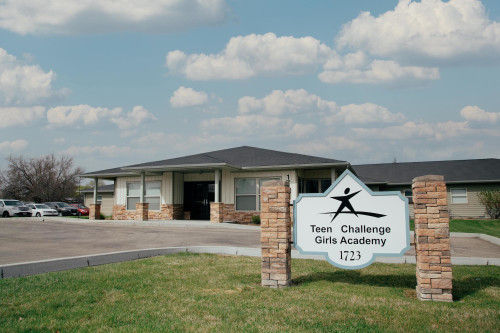
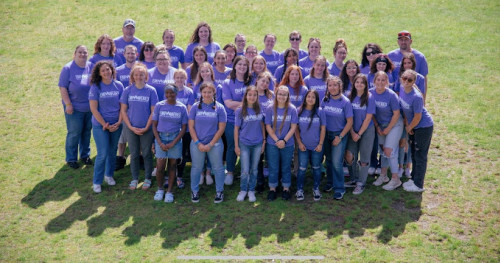

Teen Challenge Boise Girls Academy
Treatment Focus
This center primarily treats substance use disorders, helping you stabilize, create relapse-prevention plans, and connect to compassionate support.
Primary Level of Care
Integrates academic instruction with therapeutic support, helping students manage emotional or behavioral challenges while continuing their education in a structured, supportive environment.
This provider hasn't verified their profile's information. Are you the owner of this center? Claim your listing to better manage your presence on Recovery.com.
Treatment Focus
This center primarily treats substance use disorders, helping you stabilize, create relapse-prevention plans, and connect to compassionate support.
Primary Level of Care
Integrates academic instruction with therapeutic support, helping students manage emotional or behavioral challenges while continuing their education in a structured, supportive environment.
Private Pay
You pay directly for treatment out of pocket. This approach can offer enhanced privacy and flexibility, without involving insurance. Exact costs vary based on program and length of stay. Contact the center for specific details.
Teen Challenge Boise Girls Academy
Teen Challenge Boise Girls Academy
About Teen Challenge Boise Girls Academy
Boise Girls Academy is a Christian boarding school in Nampa, located just over 20 miles from Boise, for girls ages 13-17 with behavioral concerns, including substance use, suicidal ideation, self-harm, poor school performance, and promiscuity. The program typically lasts 15 months, but can be extended when necessary, and costs $9,450 at the time of admission. Cost includes tuition, housing, meals, activities, toiletries, and uniform. Parents can ask about scholarship availability and eligibility prior to admission.
Spiritual Mentorship
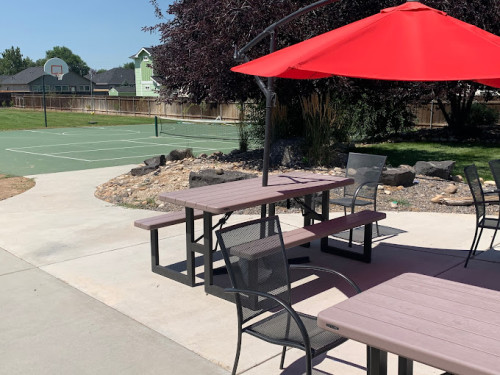
Spiritual mentorship includes group sessions 5 days per week, quiet individual reflection daily, church each Sunday, and discipleship that happens organically during the week. Students deepen relationships during meals, which they eat with staff home style. Recreation and sports are key to the program, both on campus and competing against other schools in volleyball. Boise Girls Academy is equipped with a gym, pickleball court, and basketball court. Girls additionally participate in swimming, disk golf, hiking, and aerobics. Girls participate in chores and receive instruction on how to complete them. Life skills training also includes caring for farm animals, including chickens, goats, a bunny, and a turkey, and helping staff prepare meals. Students additionally participate in service both on and off campus, including beautifying the campus and serving with local community organizations.
Parental Involvement and Personalized Staff
Boise Girls Academy offers parents weekends once every other month from Friday evening to Saturday evening, beginning after the student has been enrolled for 4 months. Each student has a staff member assigned to them, leading weekly group counseling sessions with other girls and regular individual counseling sessions. This staff member also serves as the point of contact for parents, helping them monitor their student’s progress. Boise Girls Academy offers a 3-5 month aftercare plan supporting students and family after completion of the program.
The Boise Girls Academy curriculum is through Lighthouse Christian Academy and A.C.E. (Accelerated Christian Education). Students are dually enrolled in Lighthouse and Boise Girls Academy during their course of study. The program is accredited by COGNIA, NCAA, and licensed by the state of Idaho.

Center Overview
Treatment Focus
This center primarily treats substance use disorders, helping you stabilize, create relapse-prevention plans, and connect to compassionate support.
Pricing and Program Length
Estimated Center Costs
The cost listed here ($9,450), is an estimate of program cost. Center price can vary based on program and length of stay. Contact the center for more information. Recovery.com strives for price transparency so you can make an informed decision.
Levels of Care


Your Care Options
Specializations
Adolescents
Teens receive the treatment they need for mental health disorders and addiction, with the added support of educational and vocational services.
Family Involvement
Providers involve family in the treatment of their loved one through family therapy, visits, or both–because addiction is a family disease.
Christian
Through surrender and commitment to Christ, patients refocus the efforts and source of their recovery with clinical and spiritual care.
Spiritual Care
Tending to spiritual health helps treatment become more effective, allowing patients to better cope with their emotions and rebuild their spiritual wellbeing.
Who We Treat
Adolescents
Teens receive the treatment they need for mental health disorders and addiction, with the added support of educational and vocational services.
Approaches
Christian
Through surrender and commitment to Christ, patients refocus the efforts and source of their recovery with clinical and spiritual care.
Family Involvement
Providers involve family in the treatment of their loved one through family therapy, visits, or both–because addiction is a family disease.
Gender-Specific
Separate treatment for men or women can create strong peer connections and remove barriers related to trauma, shame, and gender-specific nuances.
Individual Treatment
Individual care meets the needs of each patient, using personalized treatment to provide them the most relevant care and greatest chance of success.
Spiritual Emphasis
Spirituality connects patients to a higher power and helps strengthen their recovery, hope, and compliance with other treatment modalities.
Therapies
1-on-1 Counseling
Patient and therapist meet 1-on-1 to work through difficult emotions and behavioral challenges in a personal, private setting.
Family Therapy
Family therapy addresses group dynamics within a family system, with a focus on improving communication and interrupting unhealthy relationship patterns.
Life Skills
Teaching life skills like cooking, cleaning, clear communication, and even basic math provides a strong foundation for continued recovery.
Pastoral Counseling
Based on religious principles, this branch of counseling combines spirituality with psychotherapy.
Psychoeducation
This method combines treatment with education, teaching patients about different paths toward recovery. This empowers them to make more effective decisions.
Recreation Therapy
In recreation therapy, recovery can be joyful. Patients practice social skills and work through emotional triggers by engaging in fun activities.
Spiritual Care
Tending to spiritual health helps treatment become more effective, allowing patients to better cope with their emotions and rebuild their spiritual wellbeing.
Languages
Conditions We Treat
Anger
Although anger itself isn't a disorder, it can get out of hand. If this feeling interferes with your relationships and daily functioning, treatment can help.
Anxiety
Anxiety is a common mental health condition that can include excessive worry, panic attacks, physical tension, and increased blood pressure.
Depression
Symptoms of depression may include fatigue, a sense of numbness, and loss of interest in activities. This condition can range from mild to severe.
Self-Harm
The act of intentionally harming oneself, also called self-injury, is associated with mental health issues like depression.
Suicidality
With suicidality, a person fantasizes about suicide, or makes a plan to carry it out. This is a serious mental health symptom.
Substances We Treat
Alcohol
Using alcohol as a coping mechanism, or drinking excessively throughout the week, signals an alcohol use disorder.
Drug Addiction
Drug addiction is the excessive and repetitive use of substances, despite harmful consequences to a person's life, health, and relationships.