Find Treatment By
Rehabs by Location


Find Treatment By
Learn
About Us
Recovery.com combines independent research with expert guidance on addiction and mental health treatment. Our mission is to help everyone find the best path to recovery through the most comprehensive, helpful network of treatment providers worldwide.
Advisory Council
Our advisory council brings together leaders in behavioral health, technology, and business. Their diverse expertise ensures our resources and product are innovative, evidence-based, and effective. They guide our mission as accomplished individuals dedicated to improving the landscape of addiction recovery and mental wellness.
Stella Maris Sober Living
Verified Center
This provider's information has been quality-checked by Recovery.com's Research Team for accuracy and completeness, including center verification through appropriate third-party organizations.
Treatment Focus
This center primarily treats substance use disorders, helping you stabilize, create relapse-prevention plans, and connect to compassionate support.
Primary Level of Care
Transitional housing designed to support individuals recovering from substance use disorders offering a safe, supportive and structured environment for practicing long-term sobriety, while reintegrating back into daily living.
Treatment Focus
This center primarily treats substance use disorders, helping you stabilize, create relapse-prevention plans, and connect to compassionate support.
Primary Level of Care
Transitional housing designed to support individuals recovering from substance use disorders offering a safe, supportive and structured environment for practicing long-term sobriety, while reintegrating back into daily living.
Private Pay
You pay directly for treatment out of pocket. This approach can offer enhanced privacy and flexibility, without involving insurance. Exact costs vary based on program and length of stay. Contact the center for specific details.
Stella Maris Sober Living
Stella Maris Sober Living
About Stella Maris Sober Living
Stella Maris Sober Living Sanctuary in Nova Scotia offers a different kind of recovery experience by providing short-term stays and integral support for individuals who have committed to living a life free from drugs and alcohol. They meet people where they are, understanding that each person has their own complex life experiences that have led them to where they are now. With their compassionate, dignified approach, they believe in each individual who walks through their doors. The judgment-free sober living experience at Stella Maris helps each person embrace recovery without shame and find a sustainable pathway to sobriety.
Hold on to Support Every Step of the Way
At Stella Maris, clients experience a refreshing approach to recovery and discover a vibrant community of support. Located in beautiful Nova Scotia, their peer support-based program combines the power of SMART Recovery meetings with holistic experiences that improve overall wellbeing and support the entire community. The team at Stella Maris emphasizes personalized care, discovering what works best for each individual. A day in the life at Stella Maris may include conquering cravings with the help of a peer, kayaking on a serene nearby lake, or expressing emotions through a painting workshop. Each client’s interests and strengths are prioritized, making the recovery process enjoyable.
Find Freedom in Flexibility
Stella Maris Sober Living redefines recovery with its flexible approach. Individuals can choose from short weekend stays or extended 28-day programs, depending on their needs. On top of their daily structure, they offer wellness retreats including nature immersion, watercolor workshops, women’s retreats, and much more. The individuals at Stella Maris experience a “we’re all in this together” environment where they can explore passions, contribute skills, and design a path to wellness. In a dignified, bed-and-breakfast environment, Stella Maris honors each person’s independence, and interests while receiving support.
Reflect and Grow in Beautiful Nova Scotia
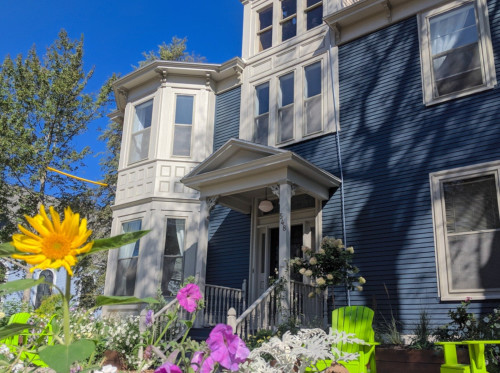
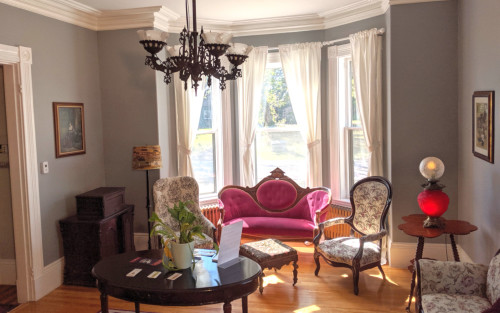
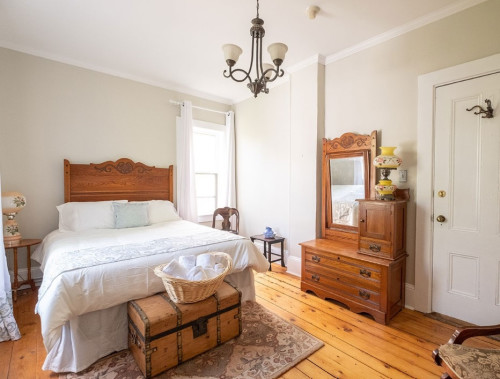
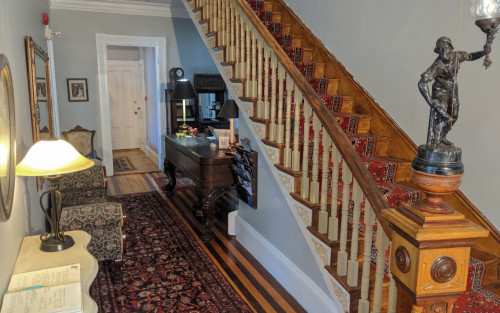
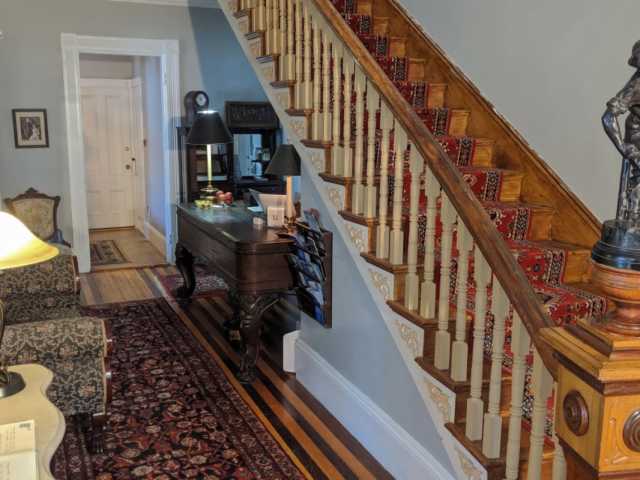
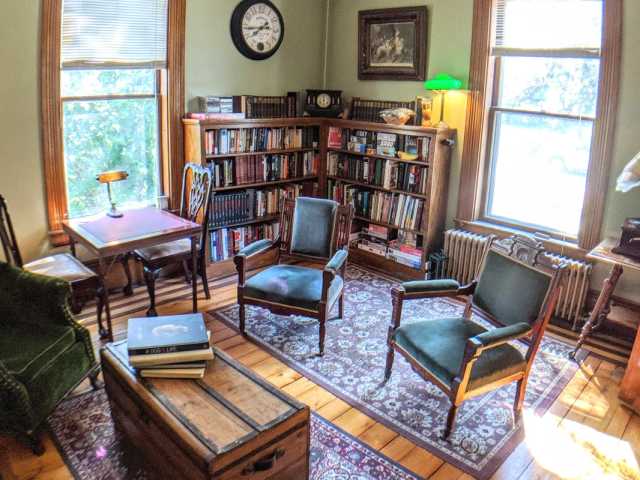
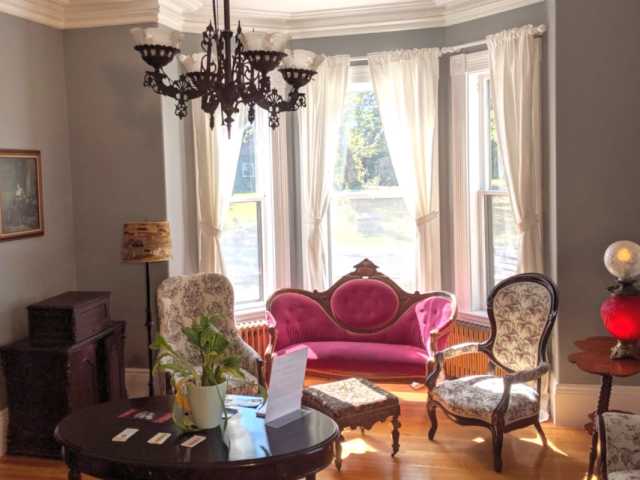
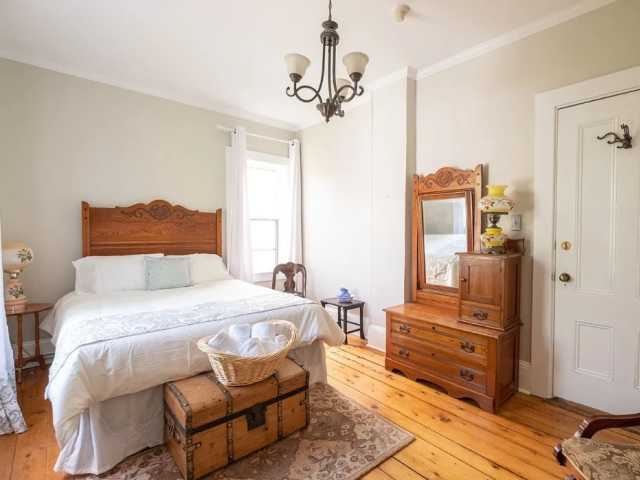
Sober living at Stella Maris feels like a retreat. Residents can choose from private or shared bedrooms in a beautifully restored 1868 facility, filled with history, character, and charm. The cozy indoor spaces and access to Nova Scotia’s natural beauty provide individuals with plenty of time and space to reflect, connect with the community, and acknowledge growth in recovery.
Highlights from the Center
Highlights
These highlights are provided by and paid for by the center.
Therapeutic Location
Perfect for Professionals
Utmost Confidentiality
Private Rooms Available
Center Overview
Treatment Focus
This center primarily treats substance use disorders, helping you stabilize, create relapse-prevention plans, and connect to compassionate support.

Pricing and Program Length
Estimated Center Costs
The cost listed here (Call for Rates), is an estimate of program cost. Center price can vary based on program and length of stay. Contact the center for more information. Recovery.com strives for price transparency so you can make an informed decision.
Meet Your Care Team
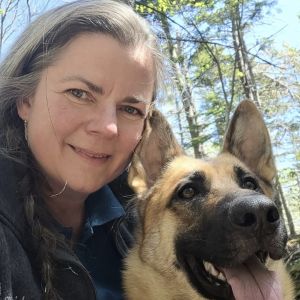
Kelly Foxton
Program Director
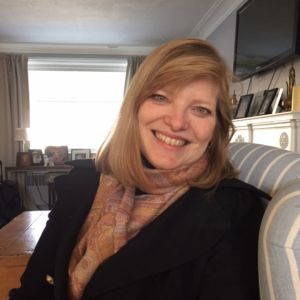
Teresa Carlisle
Director of Administration
MBA, MEDI
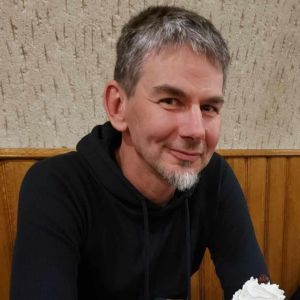
Zolt Balint
Peer Support Specialist
Levels of Care


Your Care Options
Specializations
Grief and Loss
Grief is a natural reaction to loss, but severe grief can interfere with your ability to function. You can get treatment for this condition.
Alcohol
Using alcohol as a coping mechanism, or drinking excessively throughout the week, signals an alcohol use disorder.
Drug Addiction
Drug addiction is the excessive and repetitive use of substances, despite harmful consequences to a person's life, health, and relationships.
Gambling
Excessive, repetitive gambling causes financial and interpersonal problems. This addiction can interfere with work, friendships, and familial relationships.
Gaming
Compulsive gaming is most often a problem for children and teens. The disorder can affect physical health, sleep, and the ability to focus at school.
Prescription Drugs
It's possible to abuse any drug, even prescribed ones. If you crave a medication, or regularly take it more than directed, you may have an addiction.
Sober Living
These structured living environments help people transition out of rehab. Residents have more freedom than they do during rehab, but still follow certain rules.
Who We Treat
Older Adults
Addiction and mental health treatment caters to adults 55+ and the age-specific challenges that can come with recovery, wellness, and overall happiness.
Executives
Executive treatment programs typically directly support the needs of people who manage businesses and may provide flexible schedules and office space to allow work during treatment.
Young Adults
Emerging adults ages 18-25 receive treatment catered to the unique challenges of early adulthood, like college, risky behaviors, and vocational struggles.
LGBTQ+
Addiction and mental illnesses in the LGBTQ+ community must be treated with an affirming, safe, and relevant approach, which many centers provide.
Men and Women
Men and women attend treatment for addiction in a co-ed setting, going to therapy groups together to share experiences, struggles, and successes.
Midlife Adults
For adults ages 40+, treatment shifts to focus on the unique challenges, blocks, and risk factors of their age group, and unites peers in a similar community.
Approaches
Non 12 Step
Non-12-Step philosophies veer from the spiritual focus of the 12-Steps and instead treat the disease of addiction with holistic or secular modalities.
Therapeutic Community
Therapeutic communities allow patients to contribute to the success and progress of their community, through healthy behaviors or even basic chores.
Therapies
1-on-1 Counseling
Patient and therapist meet 1-on-1 to work through difficult emotions and behavioral challenges in a personal, private setting.
Art Therapy
Visual art invites patients to examine the emotions within their work, focusing on the process of creativity and its gentle therapeutic power.
Life Skills
Teaching life skills like cooking, cleaning, clear communication, and even basic math provides a strong foundation for continued recovery.
Recreation Therapy
In recreation therapy, recovery can be joyful. Patients practice social skills and work through emotional triggers by engaging in fun activities.
Languages
Conditions We Treat
Gambling
Excessive, repetitive gambling causes financial and interpersonal problems. This addiction can interfere with work, friendships, and familial relationships.
Gaming
Compulsive gaming is most often a problem for children and teens. The disorder can affect physical health, sleep, and the ability to focus at school.
Grief and Loss
Grief is a natural reaction to loss, but severe grief can interfere with your ability to function. You can get treatment for this condition.
Stress
Stress is a natural reaction to challenges, and it can even help you adapt. However, chronic stress can cause physical and mental health issues.
Substances We Treat
Alcohol
Using alcohol as a coping mechanism, or drinking excessively throughout the week, signals an alcohol use disorder.
Benzodiazepines
Benzodiazepines are prescribed to treat anxiety and sleep issues. They are highly habit forming, and their abuse can cause mood changes and poor judgement.
Cocaine
Cocaine is a stimulant with euphoric effects. Agitation, muscle ticks, psychosis, and heart issues are common symptoms of cocaine abuse.
Drug Addiction
Drug addiction is the excessive and repetitive use of substances, despite harmful consequences to a person's life, health, and relationships.
Ecstasy
Ecstasy is a stimulant that causes intense euphoria and heightened awareness. Abuse of this drug can trigger depression, insomnia, and memory problems.
Heroin
Heroin is a highly addictive and illegal opioid. It can cause insomnia, collapsed veins, heart issues, and additional mental health issues.
Methamphetamine
Methamphetamine, or meth, increases energy, agitation, and paranoia. Long-term use can result in severe physical and mental health issues.
Opioids
Opioids produce pain-relief and euphoria, which can lead to addiction. This class of drugs includes prescribed medication and the illegal drug heroin.
Prescription Drugs
It's possible to abuse any drug, even prescribed ones. If you crave a medication, or regularly take it more than directed, you may have an addiction.
Aftercare
Care Designed for Your Needs
Personal Amenities
Amenities
Special Considerations
Center Pets
Addiction and mental health facilities with pets allow patients to interact with friendly dogs, cats, horses, and in some cases, even dolphins.