Find Treatment By
Rehabs by Location


Find Treatment By
Learn
About Us
Recovery.com combines independent research with expert guidance on addiction and mental health treatment. Our mission is to help everyone find the best path to recovery through the most comprehensive, helpful network of treatment providers worldwide.
Advisory Council
Our advisory council brings together leaders in behavioral health, technology, and business. Their diverse expertise ensures our resources and product are innovative, evidence-based, and effective. They guide our mission as accomplished individuals dedicated to improving the landscape of addiction recovery and mental wellness.



Seasons in Malibu
Verified Center
This provider's information has been quality-checked by Recovery.com's Research Team for accuracy and completeness, including center verification through appropriate third-party organizations.
Treatment Focus
This center treats substance use disorders and mental health conditions. You'll receive individualized care catered to your unique situation and diagnosis, learn practical skills for recovery, and make new connections in a restorative environment.
Primary Level of Care
Offering intensive care with 24/7 monitoring, residential treatment is typically 30 days and can cover multiple levels of care. Length can range from 14 to 90 days typically.
Treatment Focus
This center treats substance use disorders and mental health conditions. You'll receive individualized care catered to your unique situation and diagnosis, learn practical skills for recovery, and make new connections in a restorative environment.
Primary Level of Care
Offering intensive care with 24/7 monitoring, residential treatment is typically 30 days and can cover multiple levels of care. Length can range from 14 to 90 days typically.
Provider's Policy
Seasons In Malibu's counselors are standing by to check your insurance. They accept most PPO Insurance plans on an out of network basis. They DO NOT accept Medicaid, Medicare, MediCal, or ANY state funded insurance providers.
Seasons in Malibu
Seasons in Malibu
About Seasons in Malibu
Set on the iconic Malibu coastline, Seasons in Malibu is recognized by Consumer Affairs as one of the world’s premier rehab centers. They are licensed to treat both addiction and mental health disorders. Offering up to 65 one-on-one therapy sessions per month, led by doctorate-level therapists, their treatment is intensive and offers unparalleled depth. Aiming for lifelong healing, Seasons in Malibu treats the underlying factors of addiction and mental health—not just in their clients, but within the family system as a whole.
Move through a Seamless, Expertly-Coordinated Process
Treatment begins with an assessment and diagnosis, setting the stage for tailored care. Each client is supported by a 10-person recovery team, meeting weekly to fine-tune the treatment plan, including a personal advocate offering guidance at every step. Seasons offers medically-supervised detox, followed by treatment that addresses the underlying factors of addiction. Along with traditional therapies, Seasons offers advanced therapies like EMDR, brainspotting, somatic experience, craniosacral therapy, equine therapy and more.
Restore Balance in Secluded, Coastal Luxury
Seasons in Malibu sits on a stunning 3-acre, resort-style property on a bluff overlooking breathtaking Matador Beach. Their private residences have spacious bedrooms and sweeping ocean or garden views. Gourmet meals are crafted by world-class chefs, while curated amenities abound—from yoga by the shore and scenic hikes to art therapy workshops and meditation gardens. They also weave the healing power of the ocean into treatment, including surfing, kayaking, and daily beach walks as part of the restorative experience.
Step Back into Everyday Life with Unwavering Support
Seasons in Malibu’s year-long aftercare program walks clients through the next phase of their recovery, offering real-world tools and a sense of connection. Clients continue working with trusted therapists who know their stories, while building strategies for relapse prevention, stress, and life skills. With options to join peer support groups, explore sober living options, or tap into yoga and nutrition counseling, aftercare is designed to help clients create a life they love.
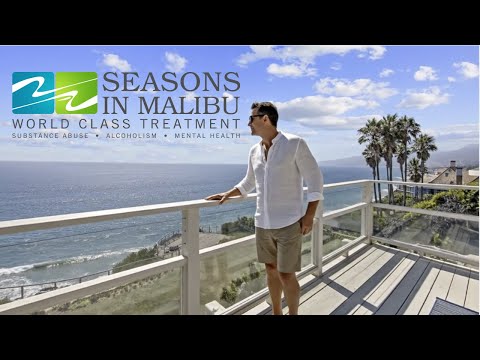
Highlights from the Center
Highlights
These highlights are provided by and paid for by the center.
Perfect for Professionals
Doctorate Level One-On-One Therapy
Trauma-Informed Care
Private Rooms Available
Center Overview
Treatment Focus
This center treats substance use disorders and mental health conditions. You'll receive individualized care catered to your unique situation and diagnosis, learn practical skills for recovery, and make new connections in a restorative environment.
CARF Accredited
CARF stands for the Commission on Accreditation of Rehabilitation Facilities. It's an independent, non-profit organization that provides accreditation services for a variety of healthcare services. To be accredited means that the program meets their standards for quality, effectiveness, and person-centered care.

Insurance Accepted





Cash Pay Rates
Estimated Cash Pay Rate
Center pricing can vary based on program and length of stay. Contact the center for more information. Recovery.com strives for price transparency so you can make an informed decision.
Luxury rehab centers offer a unique blend of luxurious amenities and high-quality treatment. From private suites to gourmet dining, personal trainers to spa treatments, these facilities provide a high level of comfort and discretion.
Top 50 Rehabs in the World
Meet Your Care Team

Sheila Shilati
Chief Operating Officer
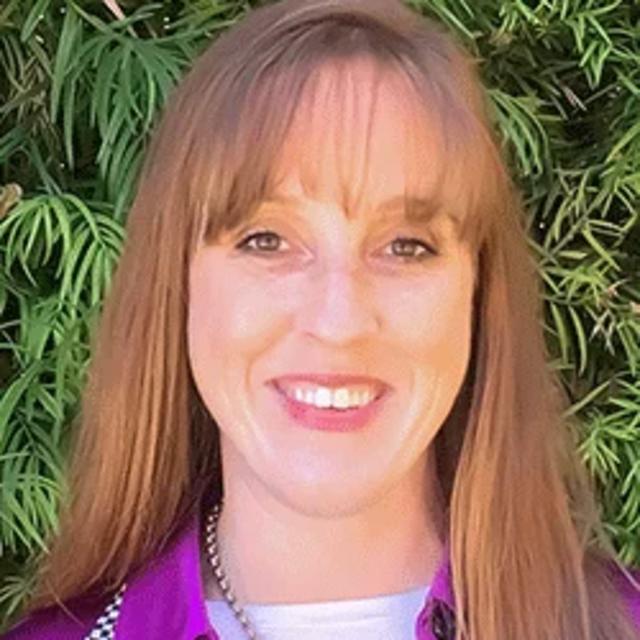
Tiffany Towers
Clinical Director
Psy.D
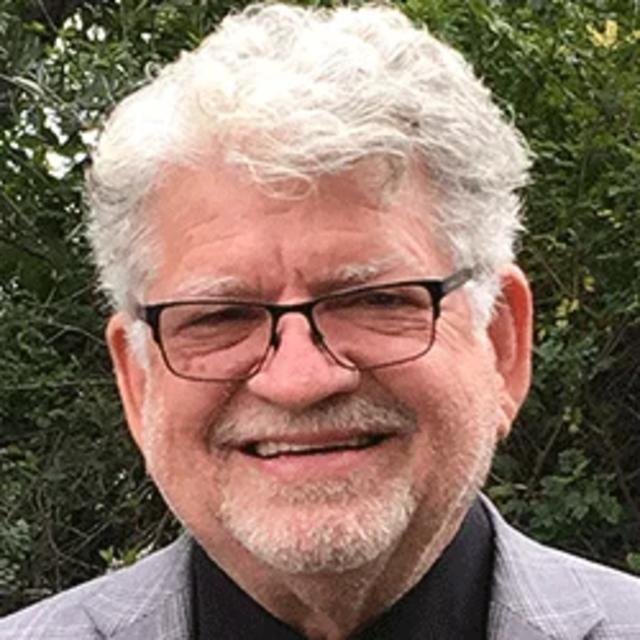
Gregory Skipper
Program Advisor, Professionals Program
M.D.

Reuben Vaisman-Tzachor
Primary Therapist
Ph.D., FACFEI, DABPS, FAPA, DABCHS

Damon Raskin
Internist and Detox Specialist
M.D.
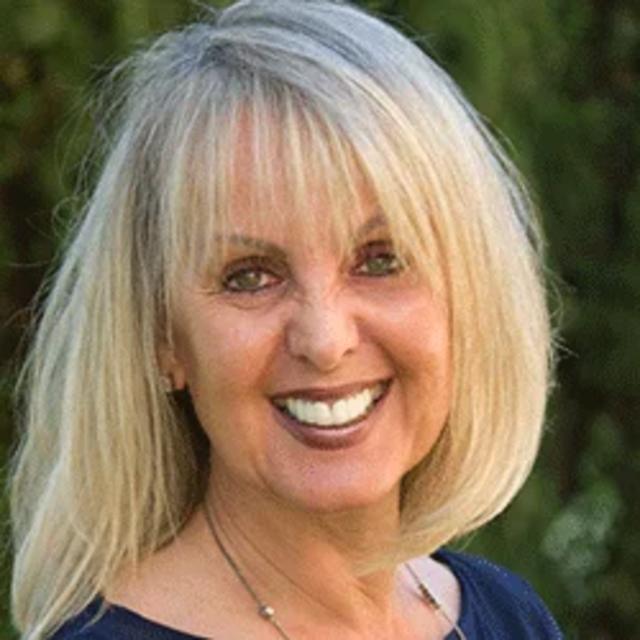
Nancy B. Irwin
Primary Therapist and Certified EMDR Specialist
Psy.D
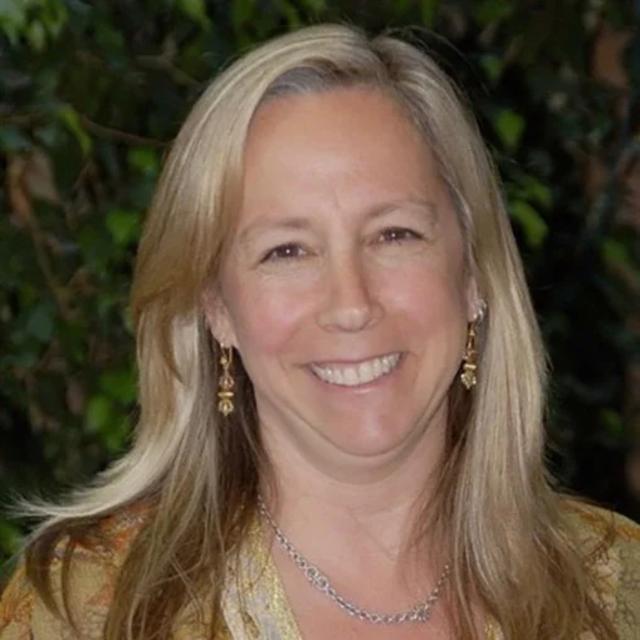
Jody Trager
Primary Therapist and AF EMDR Specialist
Ph.D.
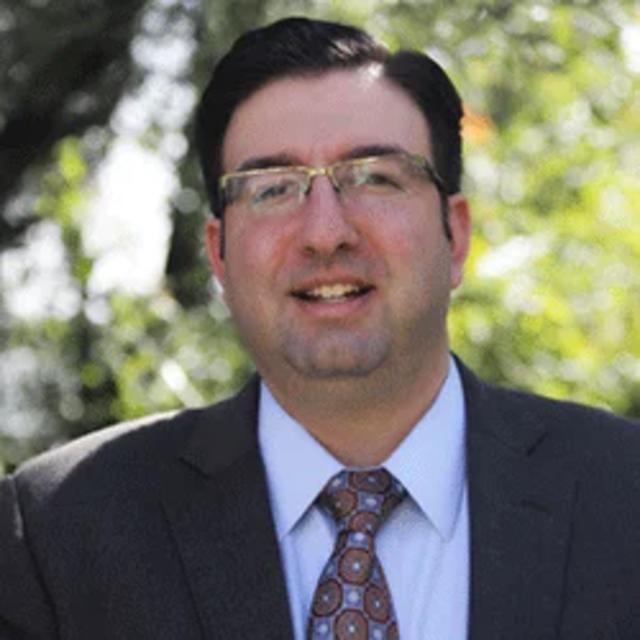
Matthew Goldenberg
Psychiatrist
D.O.

James Luzano
Psychiatrist
MD
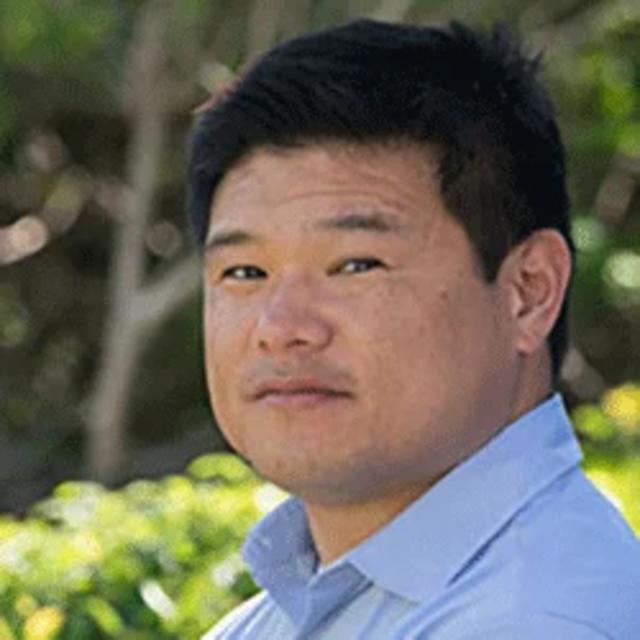
Benjamin Nakanishi
Primary Therapist
Psy.D
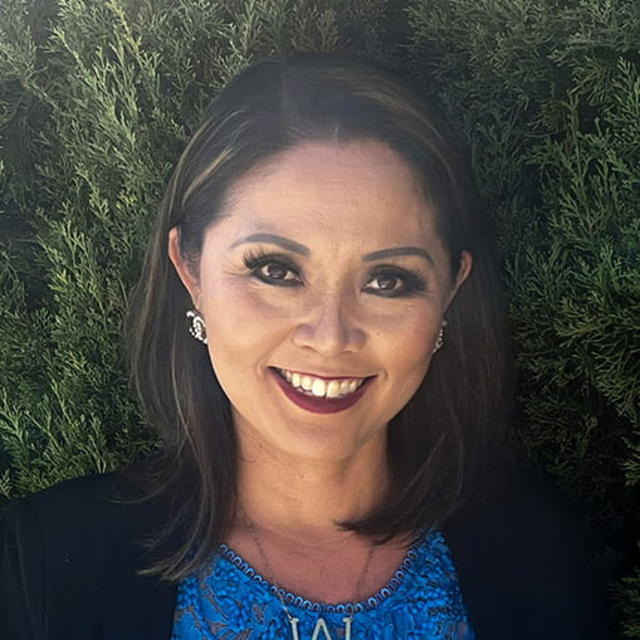
Whillma Quenicka
Primary Therapist and EMDR Practitioner
Ph.D., M-RAS, MS, MA

Jennifer Tippet
Primary Therapist and Consultant
Psy.D
Lynda McCloskey
Somatic Practitioner
SEP
Audrey Hope
Spiritual Advisor
RASi
Michael Malone
Case Manager
M.A., AMFT, APCC
Aga Pedroso
Case Manager
M.Sc., M-RAS, DCP, TQUKDC
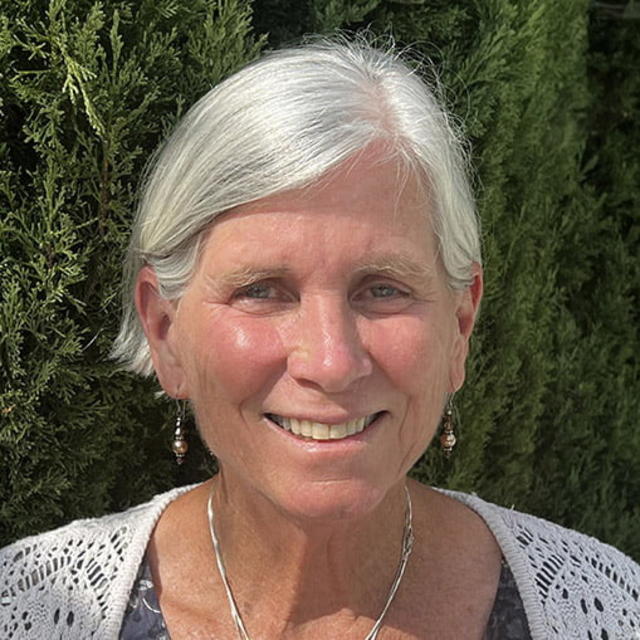
Teri Terusa
Psychotherapist, DBT, EMDR & Brainspotting Specialist
M.A., LCSW
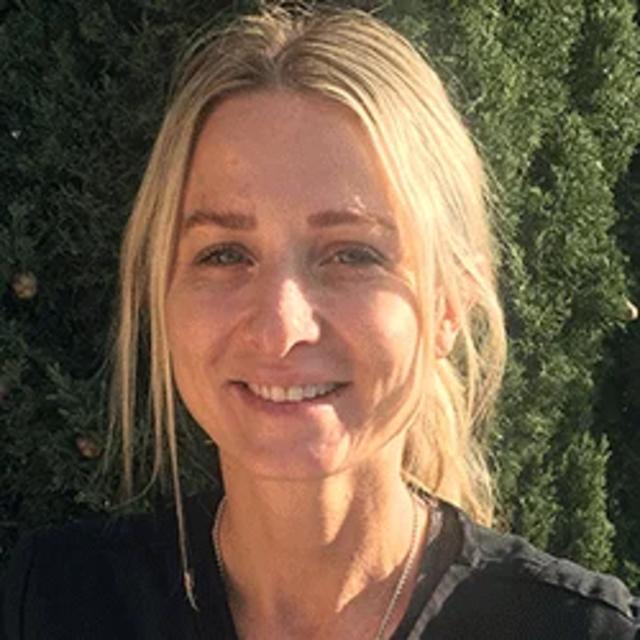
Ashley Stavinou
Nurse
LVN II
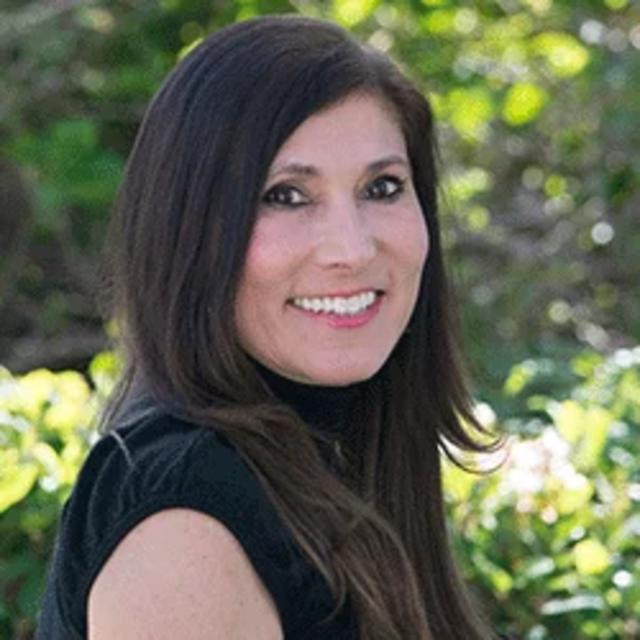
Barbara Carey
Hypnotherapist
CHT

Rachel Orselli
Acupuncturist
LAc
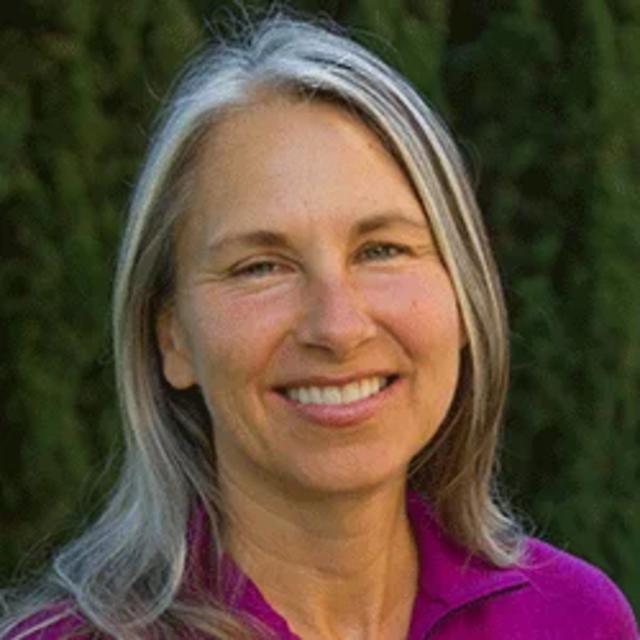
Lisa Carmichael
Yoga & Craniosacral Therapy
RCST, LMT, RYT
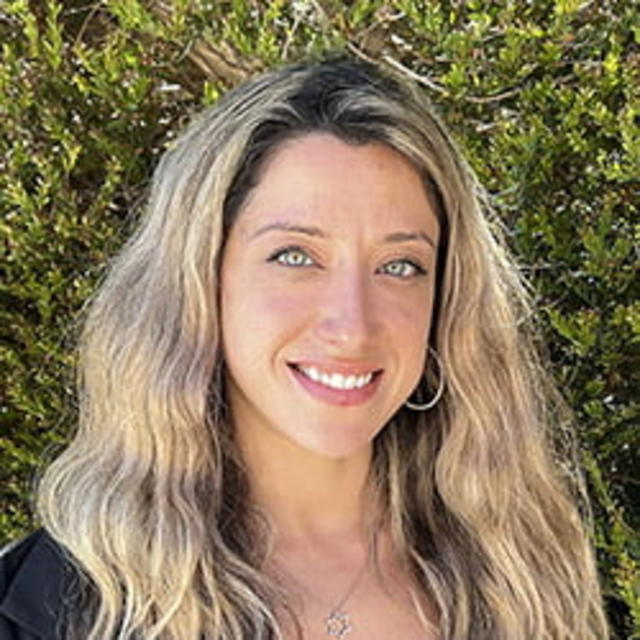
Eden Rambod
Case Manager
MA
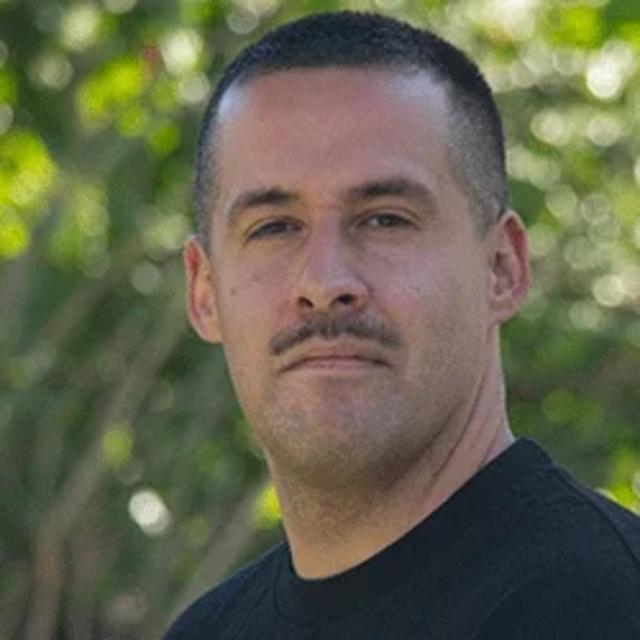
Nick Latu
Chef
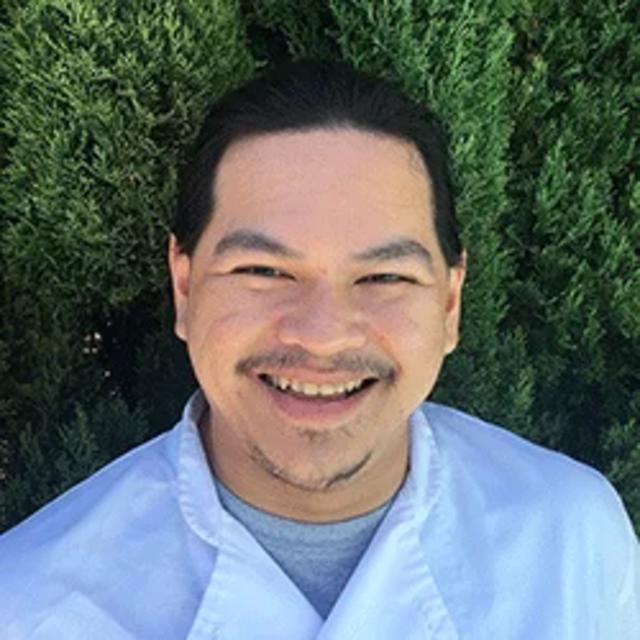
Erigo Arboleda
Chef

Hortensia Valencia
Massage Therapist
CMT

Ako Eyong
Art Therapy
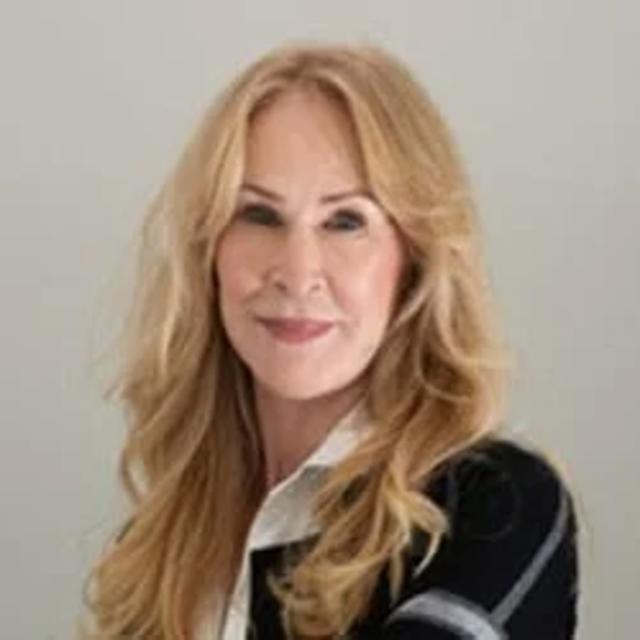
Erin O'Bryan
Certified Health Coach
CHT




Levels of Care


Your Care Options
Specializations
Alcohol
Using alcohol as a coping mechanism, or drinking excessively throughout the week, signals an alcohol use disorder.
Co-Occurring Disorders
A person with multiple mental health diagnoses, such as addiction and depression, has co-occurring disorders also called dual diagnosis.
Executives
Executive treatment programs typically directly support the needs of people who manage businesses and may provide flexible schedules and office space to allow work during treatment.
Opioids
Opioids produce pain-relief and euphoria, which can lead to addiction. This class of drugs includes prescribed medication and the illegal drug heroin.
Professionals
Busy, high-ranking professionals get the personalized treatment they need with greater accommodations for work, privacy, and outside communication.
Who We Treat
Executives
Executive treatment programs typically directly support the needs of people who manage businesses and may provide flexible schedules and office space to allow work during treatment.
Young Adults
Emerging adults ages 18-25 receive treatment catered to the unique challenges of early adulthood, like college, risky behaviors, and vocational struggles.
LGBTQ+
Addiction and mental illnesses in the LGBTQ+ community must be treated with an affirming, safe, and relevant approach, which many centers provide.
Men and Women
Men and women attend treatment for addiction in a co-ed setting, going to therapy groups together to share experiences, struggles, and successes.
Midlife Adults
For adults ages 40+, treatment shifts to focus on the unique challenges, blocks, and risk factors of their age group, and unites peers in a similar community.
Professionals
Busy, high-ranking professionals get the personalized treatment they need with greater accommodations for work, privacy, and outside communication.
Approaches
Evidence-Based
A combination of scientifically rooted therapies and treatments make up evidence-based care, defined by their measured and proven results.
Holistic
A non-medicinal, wellness-focused approach that aims to align the mind, body, and spirit for deep and lasting healing.
Personalized Treatment
The specific needs, histories, and conditions of individual patients receive personalized, highly relevant care throughout their recovery journey.
Twelve Step
Incorporating spirituality, community, and responsibility, 12-Step philosophies prioritize the guidance of a Higher Power and a continuation of 12-Step practices.
Therapies
1-on-1 Counseling
Patient and therapist meet 1-on-1 to work through difficult emotions and behavioral challenges in a personal, private setting.
Acceptance and Commitment Therapy (ACT)
This cognitive behavioral therapy teaches patients to accept challenging feelings and make the appropriate changes to reach personal goals.
Acupuncture
Acupuncture is a traditional practice that involves inserting thin needles into specific points on the body to support health and well-being.
Animal Therapy
Animals can inspire trust and self-worth. In this experiential therapy, guided interactions are used to improve social skills and emotion regulation.
Art Therapy
Visual art invites patients to examine the emotions within their work, focusing on the process of creativity and its gentle therapeutic power.
Cognitive Behavioral Therapy
Cognitive Behavioral Therapy helps people identify and change unhelpful thought patterns and behaviors that contribute to emotional distress.
Craniosacral Therapy
A practitioner uses light touch around the head, neck, and back to improve the flow of fluids in the central nervous system, relieving tension and pain.
Dialectical Behavior Therapy
Dialectical Behavior Therapy teaches skills for managing emotions, improving relationships, tolerating distress, and increasing mindfulness.
Didactic Group Therapy
Didactic group therapy uses structured educational sessions to teach participants about mental health, recovery, coping skills, and personal growth.
Languages
Conditions We Treat
ADHD, ADD
ADD and ADHD are neurodevelopmental conditions that affect attention, focus, organization, and impulse control, often impacting daily life, school, work, and relationships.
Anxiety
Anxiety is a common mental health condition that can include excessive worry, panic attacks, physical tension, and increased blood pressure.
Bipolar
This mental health condition is characterized by extreme mood swings between depression, mania, and remission.
Burnout
Burnout entails mental and physical exhaustion, and leads to a severe lack of fulfillment. This condition is often caused by overwork.
Codependency
Codependency is a pattern of emotional dependence and controlling behavior. It's most common among people with addicted loved ones.
Depression
Symptoms of depression may include fatigue, a sense of numbness, and loss of interest in activities. This condition can range from mild to severe.
Grief and Loss
Grief is a natural reaction to loss, but severe grief can interfere with your ability to function. You can get treatment for this condition.
Personality Disorders
Personality disorders destabilize the way a person thinks, feels, and behaves. If untreated, they can undermine relationships and lead to severe distress.
Psychosis
Psychosis is a condition that affects a person’s perception of reality, often involving hallucinations, delusions, or disorganized thinking.
Substances We Treat
Alcohol
Using alcohol as a coping mechanism, or drinking excessively throughout the week, signals an alcohol use disorder.
Benzodiazepines
Benzodiazepines are prescribed to treat anxiety, insomnia, and seizures. They can be habit-forming and may cause drowsiness, memory problems, and dependence.
Co-Occurring Disorders
A person with multiple mental health diagnoses, such as addiction and depression, has co-occurring disorders also called dual diagnosis.
Cocaine
Cocaine is a stimulant with euphoric effects. Agitation, muscle ticks, psychosis, and heart issues are common symptoms of cocaine use.
Drug Addiction
Drug addiction is the excessive and repetitive use of substances, despite harmful consequences to a person's life, health, and relationships.
Ecstasy
Ecstasy is a stimulant that causes intense euphoria and heightened awareness. Use of this drug can trigger depression, insomnia, and memory problems.
Heroin
Heroin is a highly addictive opioid that produces feelings of euphoria and relaxation. Its use carries serious risks, including overdose and dependence.
Marijuana
Marijuana is a psychoactive substance derived from cannabis. It can affect mood, memory, coordination, and perception, with varying effects between individuals.
Methamphetamine
Methamphetamine is a powerful stimulant that increases energy and alertness. Repeated use can lead to addiction and significant physical and mental health risks.
Aftercare
Care Designed for Your Needs
Personal Amenities
Amenities
Special Considerations
Couples program
Using gentle clinical care, therapists guide patients and their partner through guided sessions to address issues and work towards lasting solutions.
Executive Program
Addiction and mental health treatment for executives typically involves high discretion, greater technology access, and more private, 1-on-1 care.
Flexible technology policies
Centers with flexible technology policies allow professionals to stay in touch with work and give patients a greater sense of connection and normalcy.
Gender-specific groups
Patients in gender-specific groups gain the opportunity to discuss challenges unique to their gender in a comfortable, safe setting conducive to healing.
Activities
Yoga
Yoga is both a physical and spiritual practice. It includes a flow of movement, breathing techniques, and meditation.