Find Treatment By
Rehabs by Location


Find Treatment By
Learn
About Us
Recovery.com combines independent research with expert guidance on addiction and mental health treatment. Our mission is to help everyone find the best path to recovery through the most comprehensive, helpful network of treatment providers worldwide.
Advisory Council
Our advisory council brings together leaders in behavioral health, technology, and business. Their diverse expertise ensures our resources and product are innovative, evidence-based, and effective. They guide our mission as accomplished individuals dedicated to improving the landscape of addiction recovery and mental wellness.

Rogers Behavioral Health - Oconomowoc
Treatment Focus
This center treats substance use disorders and mental health conditions. You'll receive individualized care catered to your unique situation and diagnosis, learn practical skills for recovery, and make new connections in a restorative environment.
Primary Level of Care
Provides 24/7 medical supervision and intensive treatment in a clinical setting for individuals in crisis or with acute needs, focusing on stabilization and immediate safety
This provider hasn't verified their profile's information. Are you the owner of this center? Claim your listing to better manage your presence on Recovery.com.
Treatment Focus
This center treats substance use disorders and mental health conditions. You'll receive individualized care catered to your unique situation and diagnosis, learn practical skills for recovery, and make new connections in a restorative environment.
Primary Level of Care
Provides 24/7 medical supervision and intensive treatment in a clinical setting for individuals in crisis or with acute needs, focusing on stabilization and immediate safety
Provider's Policy
We want you to have access to life-changing behavioral healthcare when you need it. It’s our goal to help you through the billing and insurance process as best as possible.
Rogers Behavioral Health - Oconomowoc
Rogers Behavioral Health - Oconomowoc
About Rogers Behavioral Health - Oconomowoc
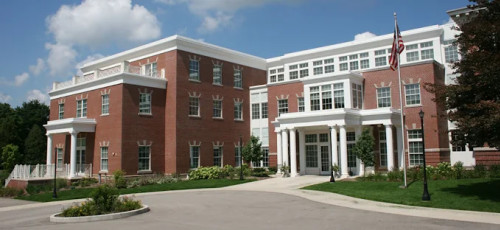
Rogers Behavioral Health Oconomowoc is tucked away in Wisconsin's scenic lake country and offers expansive indoor and outdoor spaces intentionally designed for serenity and healing. They provide tailored programming for children, teens, young adults, and adults and offer various inpatient and residential programs for withdrawal management, eating disorders, depression, anxiety, addiction, obsessive compulsive disorder, and general mental health. They also offer a center for dialectical behavioral therapy, which provides tailored care for female adolescents struggling with emotional dysregulation.
Treat Mental Health and Addiction with Proven Approaches
Rogers is an evidence-based treatment center that uses a combination of medication, cognitive behavioral therapy (CBT), dialectical behavioral therapy (DBT), experiential therapies, motivational enhancement therapy (MET), exposure and response prevention (ERP), prolonged exposure therapy, and transcranial magnetic stimulation (TMS) to treat mental health and substance use disorders. Their experiential therapies include art therapy, horticultural therapy, recreational activities, and more. They also offer family sessions and spiritual care as needed.
Specialized Treatment for Teen Girls
At this location, they offer The Nashotah Center for Dialectical Behavior Therapy (DBT), a 16-bed residential program for female adolescents ages 12-18, offering tailored intensive treatment for various mental health conditions, eating disorders, depression, anxiety, mood and personality disorders, self-harm, trouble with emotional regulation and more. Teens typically stay in this program 60-90 days.
Enhance Recovery Through Therapeutic Spaces
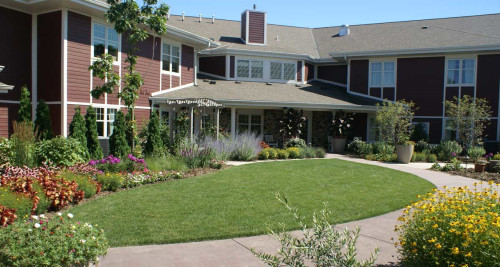
Clients reside in a comfortable, home-like setting designed to promote relaxation and healing, with soothing color schemes, comforting decor, and shared bedrooms and bathrooms. The property offers a range of thoughtfully designed amenities, including a cozy lounge area, a dedicated group therapy room, and multiple experiential therapy spaces. Expansive campus grounds feature peaceful outdoor areas with gazebos, bird and butterfly gardens, and hands-on gardening spaces. Scenic walking trails, a tranquil labyrinth, and a ropes challenge course provide opportunities for reflection, movement, and personal growth.

Center Overview
Treatment Focus
This center treats substance use disorders and mental health conditions. You'll receive individualized care catered to your unique situation and diagnosis, learn practical skills for recovery, and make new connections in a restorative environment.
Joint Commission Accredited
The Joint Commission accreditation is a voluntary, objective process that evaluates and accredits healthcare organizations (like treatment centers) based on performance standards designed to improve quality and safety for patients. To be accredited means the treatment center has been found to meet the Commission's standards for quality and safety in patient care.

Insurance Accepted






Cash Pay Rates
Estimated Cash Pay Rate
Center pricing can vary based on program and length of stay. Contact the center for more information. Recovery.com strives for price transparency so you can make an informed decision.
Meet Your Care Team

Jerry L. Halverson
Chief Medical Officer
MD, FACPsych, DFAPA

Khazi A. Muqeet
Associate Chief Medical Officer
MD, MRCPsych

Patrick O'Malley
Chief Medical Officer - Physical Medicine
DO

Peggy Scallon
Chief Medical Officer and Medical Director, Focus Depression Recovery Adolescent Residential Care
MD, DFAPA, DFAACAP

Christopher Takala
Associate Medical Director
DO

Andrew Butchart
Medical Director, OCD and Anxiety Center Adolescent Residential Care
DO

Bradley L. Erickson
Medical Director, Child and Adolescent Inpatient Care and OCD, Anxiety, and Depression Center Young Adult Residential Care
MD

Mitzi Kramer
Medical Director, Trauma Recovery Services
MD, DFAPA

Jody A. Langford
Medical Director, Eating Disorder Recovery Center for Adolescents, Child and Adolescent Inpatient Eating Disorder Recovery
MD

Nicholas Mahoney
Medical Director, OCD, Anxiety, and Depression Center Adult Residential Care
DO

Tyler Rickers
Medical Director, Focus Depression Recovery Adult Residential Care
DO

Cuong Tieu
Medical Director, OCD and Anxiety Center Children's Residential Care
MD

Carolyn J. Turcott
Medical Director, Adult Eating Disorder Recovery
MD
Levels of Care


Your Care Options
Specializations
Adolescents
Teens receive the treatment they need for mental health disorders and addiction, with the added support of educational and vocational services.
Children
Treatment for children incorporates the psychiatric care they need and education, often led by on-site teachers to keep children on track with school.
Alcohol
Using alcohol as a coping mechanism, or drinking excessively throughout the week, signals an alcohol use disorder.
Anxiety
Anxiety is a common mental health condition that can include excessive worry, panic attacks, physical tension, and increased blood pressure.
Depression
Symptoms of depression may include fatigue, a sense of numbness, and loss of interest in activities. This condition can range from mild to severe.
Eating Disorders
An eating disorder is a long-term pattern of unhealthy behavior relating to food. Most people with eating disorders have a distorted self-image.
Obsessive Compulsive Disorder (OCD)
OCD is characterized by intrusive and distressing thoughts that drive repetitive behaviors. This pattern disrupts daily life and relationships.
Who We Treat
Adolescents
Teens receive the treatment they need for mental health disorders and addiction, with the added support of educational and vocational services.
Children
Treatment for children incorporates the psychiatric care they need and education, often led by on-site teachers to keep children on track with school.
Young Adults
Emerging adults ages 18-25 receive treatment catered to the unique challenges of early adulthood, like college, risky behaviors, and vocational struggles.
Men and Women
Men and women attend treatment for addiction in a co-ed setting, going to therapy groups together to share experiences, struggles, and successes.
Approaches
Evidence-Based
A combination of scientifically rooted therapies and treatments make up evidence-based care, defined by their measured and proven results.
Experiential
Expressive tools and therapies help patients process past situations, learn more about themselves, and find healing through action.
Medical
Medical addiction treatment uses approved medications to manage withdrawals and cravings, and to treat contributing mental health conditions.
Therapies
1-on-1 Counseling
Patient and therapist meet 1-on-1 to work through difficult emotions and behavioral challenges in a personal, private setting.
Art Therapy
Visual art invites patients to examine the emotions within their work, focusing on the process of creativity and its gentle therapeutic power.
Cognitive Behavioral Therapy
Cognitive Behavioral Therapy helps people identify and change unhelpful thought patterns and behaviors that contribute to emotional distress.
Dialectical Behavior Therapy
Dialectical Behavior Therapy teaches skills for managing emotions, improving relationships, tolerating distress, and increasing mindfulness.
Experiential Therapy
With this approach, patients heal by doing. Therapists help patients process difficult emotions to speak, using guided activities like art or dance.
Exposure Therapy
Exposure therapy helps individuals gradually face feared situations or triggers to reduce anxiety and build confidence over time.
Family Therapy
Family therapy addresses group dynamics within a family system, with a focus on improving communication and interrupting unhealthy relationship patterns.
Group Therapy
Group therapy brings people together in a supportive setting to share experiences, develop skills, and work toward common goals.
Horticultural Therapy
Horticultural therapy uses gardening and plant-based activities to support emotional well-being, skill development, and personal growth.
Languages
Conditions We Treat
ADHD, ADD
ADD and ADHD are neurodevelopmental conditions that affect attention, focus, organization, and impulse control, often impacting daily life, school, work, and relationships.
Anxiety
Anxiety is a common mental health condition that can include excessive worry, panic attacks, physical tension, and increased blood pressure.
Bipolar
This mental health condition is characterized by extreme mood swings between depression, mania, and remission.
Depression
Symptoms of depression may include fatigue, a sense of numbness, and loss of interest in activities. This condition can range from mild to severe.
Eating Disorders
An eating disorder is a long-term pattern of unhealthy behavior relating to food. Most people with eating disorders have a distorted self-image.
Obsessive Compulsive Disorder (OCD)
OCD is characterized by intrusive and distressing thoughts that drive repetitive behaviors. This pattern disrupts daily life and relationships.
Personality Disorders
Personality disorders destabilize the way a person thinks, feels, and behaves. If untreated, they can undermine relationships and lead to severe distress.
Post Traumatic Stress Disorder
PTSD is a long-term mental health issue caused by a disturbing event or events. Symptoms include anxiety, dissociation, flashbacks, and intrusive thoughts.
Self-Harm
The act of intentionally harming oneself, also called self-injury, is associated with mental health issues like depression.
Substances We Treat
Alcohol
Using alcohol as a coping mechanism, or drinking excessively throughout the week, signals an alcohol use disorder.
Benzodiazepines
Benzodiazepines are prescribed to treat anxiety, insomnia, and seizures. They can be habit-forming and may cause drowsiness, memory problems, and dependence.
Co-Occurring Disorders
A person with multiple mental health diagnoses, such as addiction and depression, has co-occurring disorders also called dual diagnosis.
Cocaine
Cocaine is a stimulant with euphoric effects. Agitation, muscle ticks, psychosis, and heart issues are common symptoms of cocaine use.
Drug Addiction
Drug addiction is the excessive and repetitive use of substances, despite harmful consequences to a person's life, health, and relationships.
Ecstasy
Ecstasy is a stimulant that causes intense euphoria and heightened awareness. Use of this drug can trigger depression, insomnia, and memory problems.
Heroin
Heroin is a highly addictive opioid that produces feelings of euphoria and relaxation. Its use carries serious risks, including overdose and dependence.
Marijuana
Marijuana is a psychoactive substance derived from cannabis. It can affect mood, memory, coordination, and perception, with varying effects between individuals.
Methamphetamine
Methamphetamine is a powerful stimulant that increases energy and alertness. Repeated use can lead to addiction and significant physical and mental health risks.