Find Treatment By
Rehabs by Location


Find Treatment By
Learn
About Us
Recovery.com combines independent research with expert guidance on addiction and mental health treatment. Our mission is to help everyone find the best path to recovery through the most comprehensive, helpful network of treatment providers worldwide.
Advisory Council
Our advisory council brings together leaders in behavioral health, technology, and business. Their diverse expertise ensures our resources and product are innovative, evidence-based, and effective. They guide our mission as accomplished individuals dedicated to improving the landscape of addiction recovery and mental wellness.


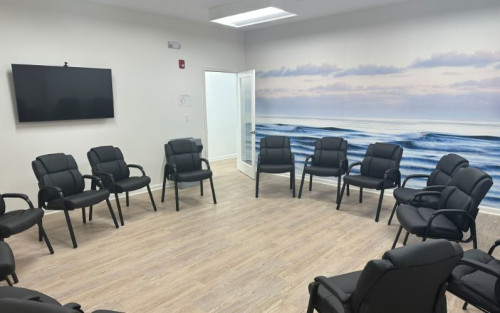

Rockland Recovery Behavioral Health
Verified Center
This provider's information has been quality-checked by Recovery.com's Research Team for accuracy and completeness, including center verification through appropriate third-party organizations.
Treatment Focus
At this center, you receive personalized care for mental health conditions. They provide therapy and tailor treatment to your unique needs, diagnoses, and preferences.
Primary Level of Care
Outpatient treatment offers flexible therapeutic and medical care without the need to stay overnight in a hospital or inpatient facility. Some centers offer intensive outpatient program (IOP), which falls between inpatient care and traditional outpatient service.
Treatment Focus
At this center, you receive personalized care for mental health conditions. They provide therapy and tailor treatment to your unique needs, diagnoses, and preferences.
Primary Level of Care
Outpatient treatment offers flexible therapeutic and medical care without the need to stay overnight in a hospital or inpatient facility. Some centers offer intensive outpatient program (IOP), which falls between inpatient care and traditional outpatient service.
Provider's Policy
Learn more about how Rockland Recovery can help by contacting their admissions team who can help guide you through payment options for treatment. Rockland Recovery does not accept Kaiser, Oscar, Medicare or Medicaid.
Rockland Recovery Behavioral Health
Rockland Recovery Behavioral Health
About Rockland Recovery Behavioral Health
Rockland Recovery treats mental health conditions in an outpatient level of care. They offer day treatment, an intensive outpatient program (IOP), and an alumni program. Rockland Recovery has gender-specific treatment for various mental health conditions, along with specialized tracks for stress, self-harm, and more. They have a trauma-informed approach to treatment and tailor recovery to each client’s unique needs.
Tailored Evidence-Based Care
Rockland Recovery uses various evidence-based therapies in 1:1 and group settings to treat mental health conditions. Their therapies include:
•Cognitive behavioral therapy (CBT)
•Dialectical behavioral therapy (DBT)
•Acceptance and commitment therapy (ACT)
•Internal family systems (IFS)
•Narrative therapy
•Mindfulness
Whole-Person Mental Health Treatment
Rockland Recovery treats mental health conditions with a compassionate, trauma-informed approach. The conditions they treat include depressive disorders, anxiety disorders, bipolar disorder, and trauma. They use individual, group, family, and recreational therapies to help each client recover. Group therapy topics include anger management, grief/loss, stress management, and coping skills.
Multiple Levels of Care
Rockland Recovery provides day treatment and an intensive outpatient program (IOP). In day treatment, clients come to Rockland Recovery 5-7 days a week, 6-7 hours a day. In IOP, clients meet 3-5 days a week, 3 hours a day. Rockland Recovery has separate programs for men and women, a self-harm program, and a stress disorder program. They address co-occurring mental health conditions in each program. After treatment, clients join an aftercare program for continued support and connections to care.
Highlights from the Center
Highlights
These highlights are provided by and paid for by the center.
Customized Treatment Plans
Holistic Approach
Trauma-Informed Care
Center Overview
Treatment Focus
At this center, you receive personalized care for mental health conditions. They provide therapy and tailor treatment to your unique needs, diagnoses, and preferences.
Joint Commission Accredited
The Joint Commission accreditation is a voluntary, objective process that evaluates and accredits healthcare organizations (like treatment centers) based on performance standards designed to improve quality and safety for patients. To be accredited means the treatment center has been found to meet the Commission's standards for quality and safety in patient care.

Insurance Accepted






Cash Pay Rates
Estimated Cash Pay Rate
Center pricing can vary based on program and length of stay. Contact the center for more information. Recovery.com strives for price transparency so you can make an informed decision.
Meet Your Care Team

Corey Gamberg
Executive Director
LADC II


Levels of Care


Your Care Options
Specializations
Anxiety
Anxiety is a common mental health condition that can include excessive worry, panic attacks, physical tension, and increased blood pressure.
Bipolar
This mental health condition is characterized by extreme mood swings between depression, mania, and remission.
Burnout
Burnout entails mental and physical exhaustion, and leads to a severe lack of fulfillment. This condition is often caused by overwork.
Depression
Symptoms of depression may include fatigue, a sense of numbness, and loss of interest in activities. This condition can range from mild to severe.
Post Traumatic Stress Disorder
PTSD is a long-term mental health issue caused by a disturbing event or events. Symptoms include anxiety, dissociation, flashbacks, and intrusive thoughts.
Self-Harm
The act of intentionally harming oneself, also called self-injury, is associated with mental health issues like depression.
Stress
Stress is a natural reaction to challenges, and it can even help you adapt. However, chronic stress can cause physical and mental health issues.
Trauma
Some traumatic events are so disturbing that they cause long-term mental health problems. Those ongoing issues can also be referred to as "trauma."
Who We Treat
Older Adults
Addiction and mental health treatment caters to adults 55+ and the age-specific challenges that can come with recovery, wellness, and overall happiness.
Young Adults
Emerging adults ages 18-25 receive treatment catered to the unique challenges of early adulthood, like college, risky behaviors, and vocational struggles.
Men and Women
Men and women attend treatment for addiction in a co-ed setting, going to therapy groups together to share experiences, struggles, and successes.
Midlife Adults
For adults ages 40+, treatment shifts to focus on the unique challenges, blocks, and risk factors of their age group, and unites peers in a similar community.
Approaches
Evidence-Based
A combination of scientifically rooted therapies and treatments make up evidence-based care, defined by their measured and proven results.
Gender-Specific
Separate treatment for men or women can create strong peer connections and remove barriers related to trauma, shame, and gender-specific nuances.
Individual Treatment
Individual care meets the needs of each patient, using personalized treatment to provide them the most relevant care and greatest chance of success.
Therapies
1-on-1 Counseling
Patient and therapist meet 1-on-1 to work through difficult emotions and behavioral challenges in a personal, private setting.
Acceptance and Commitment Therapy (ACT)
This cognitive behavioral therapy teaches patients to accept challenging feelings and make the appropriate changes to reach personal goals.
Family Therapy
Family therapy addresses group dynamics within a family system, with a focus on improving communication and interrupting unhealthy relationship patterns.
Mindfulness Therapy
This ancient practice can be mental, emotional, and even spiritual. In meditation, you focus your attention on the present moment without judgement.
Languages
Conditions We Treat
Anxiety
Anxiety is a common mental health condition that can include excessive worry, panic attacks, physical tension, and increased blood pressure.
Bipolar
This mental health condition is characterized by extreme mood swings between depression, mania, and remission.
Depression
Symptoms of depression may include fatigue, a sense of numbness, and loss of interest in activities. This condition can range from mild to severe.
Post Traumatic Stress Disorder
PTSD is a long-term mental health issue caused by a disturbing event or events. Symptoms include anxiety, dissociation, flashbacks, and intrusive thoughts.
Schizophrenia
Schizophrenia is a serious mental health condition that causes hallucinations, delusions, and disordered thinking.
Self-Harm
The act of intentionally harming oneself, also called self-injury, is associated with mental health issues like depression.
Stress
Stress is a natural reaction to challenges, and it can even help you adapt. However, chronic stress can cause physical and mental health issues.
Trauma
Some traumatic events are so disturbing that they cause long-term mental health problems. Those ongoing issues can also be referred to as "trauma."
Aftercare
Care Designed for Your Needs
Special Considerations
Gender-specific groups
Patients in gender-specific groups gain the opportunity to discuss challenges unique to their gender in a comfortable, safe setting conducive to healing.
Smoking and Vaping Policy
What people are saying
Treatment
4.8
Accommodations
4.8
Food & Nutrition
4.3
Value
4.7
Pros
- Treated With Respect (5)
- Excellent & Effective Treatment Programming (4)
- Personalized (4)
- Friendly & Competent Staff (4)
R
Treatment in 2023 • (60 days) • Reviewed 10/07/23
Former Client
•Psychologist
SC
Treatment in 2023 • (90 days) • Reviewed 10/05/23
Former Client
Amanda
Treatment in 2023 • (45 days) • Reviewed 10/06/23
Former Client
RM
Treatment in 2023 • (90 days) • Reviewed 10/05/23
Former Client
•Student
Shaun
Treatment in 2023 • (180+ days) • Reviewed 10/05/23
Former Client