Find Treatment By
Rehabs by Location


Find Treatment By
Learn
About Us
Recovery.com combines independent research with expert guidance on addiction and mental health treatment. Our mission is to help everyone find the best path to recovery through the most comprehensive, helpful network of treatment providers worldwide.
Advisory Council
Our advisory council brings together leaders in behavioral health, technology, and business. Their diverse expertise ensures our resources and product are innovative, evidence-based, and effective. They guide our mission as accomplished individuals dedicated to improving the landscape of addiction recovery and mental wellness.
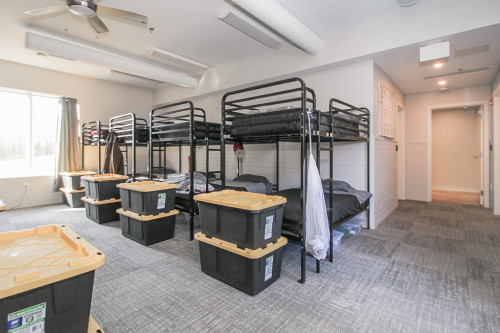
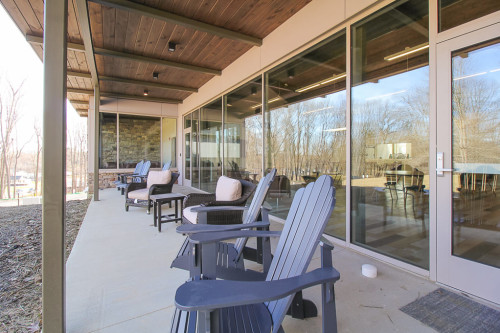
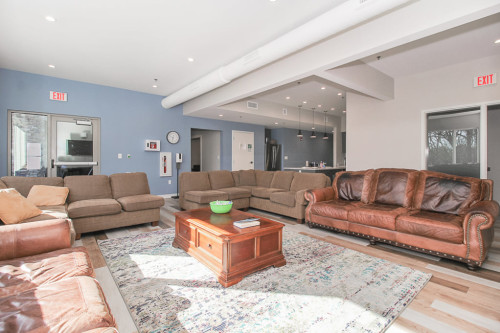
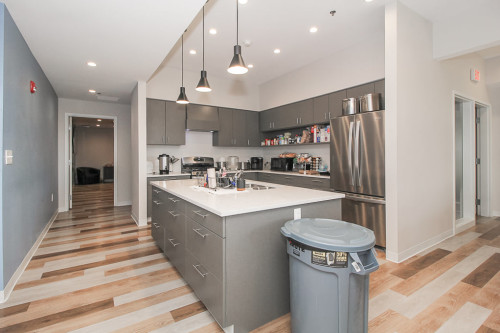
Restore Addiction Recovery
Treatment Focus
This center primarily treats substance use disorders, helping you stabilize, create relapse-prevention plans, and connect to compassionate support.
Primary Level of Care
Offering intensive care with 24/7 monitoring, residential treatment is typically 30 days and can cover multiple levels of care. Length can range from 14 to 90 days typically.
This provider hasn't verified their profile's information. Are you the owner of this center? Claim your listing to better manage your presence on Recovery.com.
Treatment Focus
This center primarily treats substance use disorders, helping you stabilize, create relapse-prevention plans, and connect to compassionate support.
Primary Level of Care
Offering intensive care with 24/7 monitoring, residential treatment is typically 30 days and can cover multiple levels of care. Length can range from 14 to 90 days typically.
Provider's Policy
Our program is free to join, no insurance needed.
Restore Addiction Recovery
Restore Addiction Recovery
About Restore Addiction Recovery
Long Description:
Situated near the Akron Fulton Airport, Restore Addiction Recovery is a free 4-phase, residential, Christ-centered recovery place for men with alcohol or drug addiction, as well as co-occurring nicotine addiction. The smoke-free campus includes activities like worship, onsite gardening, cooking classes, and art nights. Offsite activities include bowling. Restore Addiction Recovery has onsite parking.
Program Phases
Restore Addiction Recovery's program lasts a year.
Phase 1, Foundation, involves 30 days of individual and group counseling. Participants become acquainted with the program and participants. At the end of the month, participants can choose whether to participate in the next 3 phases over 11 months. During phase 1, participants can't make calls.
Phase 2, Discovery, involves working and meeting with family during months 2-5. Participants work every other week, and their income goes to funding Restore. Family members are invited to Restore Addiction Recovery the 4th Sunday each month.
Phase 3, Application, involves morning devotionals and work up to 40 hours each week during months 6-9. Participants receive a paycheck for their work during Phase 3. When they are back at the campus, participants receive life skills training to help with finances and legal issues. Family members continue to visit the 4th Sunday each month.
Phase 4, Launch, prepares participants for discharge in months 10-12 by helping them imagine life during recovery and identifying ways they can give back to the community.
Eligibility
Restore Addiction Recovery accepts adult males looking to make life changes who are open to Christ-centered messaging. They must enter the program voluntary, not through a court order, and they cannot have sex or arson-related charges, an active warrant, or a reporting phase of parole or probation. Participants must be able to perform hands-on work and chores, and they can't collect disability during the program. Participants can't take Suboxone, Subutex, Sublocade, or methadone.
Family Support
Restore Addiction Recovery partners with Grace Church's nearby Bath and Norton campuses.
Financing
Restore Addiction Recovery doesn't charge residents for their stay. They receive money from partner businesses who employ participants during phases 2 and 3. Restore also accepts donations and prayers from individuals. They provide ministry updates in a newsletter.

Center Overview
Treatment Focus
This center primarily treats substance use disorders, helping you stabilize, create relapse-prevention plans, and connect to compassionate support.
Insurance Accepted
Pricing and Program Length
Estimated Center Costs
The cost listed here (free), is an estimate of program cost. Center price can vary based on program and length of stay. Contact the center for more information. Recovery.com strives for price transparency so you can make an informed decision.
Levels of Care


Your Care Options
Specializations
Alcohol
Using alcohol as a coping mechanism, or drinking excessively throughout the week, signals an alcohol use disorder.
Drug Addiction
Drug addiction is the excessive and repetitive use of substances, despite harmful consequences to a person's life, health, and relationships.
Christian
Through surrender and commitment to Christ, patients refocus the efforts and source of their recovery with clinical and spiritual care.
Who We Treat
Approaches
Christian
Through surrender and commitment to Christ, patients refocus the efforts and source of their recovery with clinical and spiritual care.
Family Involvement
Providers involve family in the treatment of their loved one through family therapy, visits, or both–because addiction is a family disease.
Individual Treatment
Individual care meets the needs of each patient, using personalized treatment to provide them the most relevant care and greatest chance of success.
Spiritual Emphasis
Spirituality connects patients to a higher power and helps strengthen their recovery, hope, and compliance with other treatment modalities.
Therapies
1-on-1 Counseling
Patient and therapist meet 1-on-1 to work through difficult emotions and behavioral challenges in a personal, private setting.
Family Therapy
Family therapy addresses group dynamics within a family system, with a focus on improving communication and interrupting unhealthy relationship patterns.
Life Skills
Teaching life skills like cooking, cleaning, clear communication, and even basic math provides a strong foundation for continued recovery.
Stress Management
Patients learn specific stress management techniques, like breathing exercises and how to safely anticipate triggers.
Languages
Substances We Treat
Alcohol
Using alcohol as a coping mechanism, or drinking excessively throughout the week, signals an alcohol use disorder.
Drug Addiction
Drug addiction is the excessive and repetitive use of substances, despite harmful consequences to a person's life, health, and relationships.
Heroin
Heroin is a highly addictive and illegal opioid. It can cause insomnia, collapsed veins, heart issues, and additional mental health issues.
Opioids
Opioids produce pain-relief and euphoria, which can lead to addiction. This class of drugs includes prescribed medication and the illegal drug heroin.
Smoking Cessation
Quitting smoking—i.e., ceasing to smoke—means giving up smoking nicotine and tobacco products. This process has very important health benefits.
Synthetic Drugs
Synthetic drugs are made in a lab, unlike plant-based drugs like mushrooms. Most synthetic drugs are either stimulants or synthetic cannabinoids.
Aftercare
Care Designed for Your Needs
Personal Amenities
Amenities
Special Considerations
Gender-specific groups
Patients in gender-specific groups gain the opportunity to discuss challenges unique to their gender in a comfortable, safe setting conducive to healing.
Religion-Based Track
Patients can join faith-based recovery tracks to approach recovery with others in their faith, healing in a like-minded group with similar goals.