Find Treatment By
Rehabs by Location


Find Treatment By
Learn
About Us
Recovery.com combines independent research with expert guidance on addiction and mental health treatment. Our mission is to help everyone find the best path to recovery through the most comprehensive, helpful network of treatment providers worldwide.
Advisory Council
Our advisory council brings together leaders in behavioral health, technology, and business. Their diverse expertise ensures our resources and product are innovative, evidence-based, and effective. They guide our mission as accomplished individuals dedicated to improving the landscape of addiction recovery and mental wellness.
Family Addiction: Breaking Cycle of the Blame-Shame-Game


Candace Plattor, M.A., R.C.C., is an Addictions Therapist in private practice. She specializes in working with the family and other loved ones of people who are struggling with addiction, in her unique and signature Family Addiction Therapy Program.
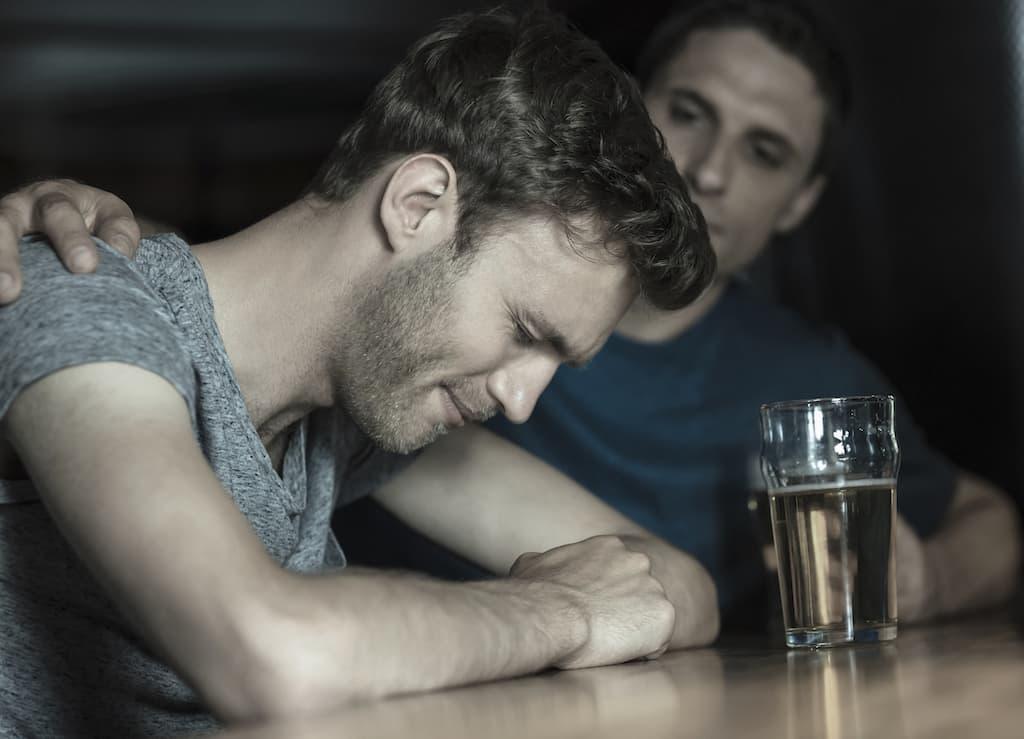
Candace Plattor, M.A., R.C.C., is an Addictions Therapist in private practice. She specializes in working with the family and other loved ones of people who are struggling with addiction, in her unique and signature Family Addiction Therapy Program.
- The "Blame-Shame-Game" occurs when people affected by addiction focus on assigning fault instead of addressing underlying issues.
- Addiction can strain family relationships and contribute to cycles of blame, shame, resentment, and poor communication.
- Loved ones are not responsible for another person's substance use disorder, even when they are repeatedly blamed for it.
- Healthier family dynamics can begin when one person chooses to set boundaries, seek support, and stop participating in unhealthy patterns.
If you're living with addiction, clinically referred to as a substance use disorder (SUD), or if someone you love is, you know how challenging family life can become.
Addiction affects more than the person with an SUD. It often impacts the entire family unit, creating complicated family dynamics that can leave everyone feeling confused and emotionally exhausted.1
A common pattern that develops in families affected by addiction and mental health challenges is what some people call the "Blame-Shame-Game." Without intervention or support, this cycle can continue for years and contribute to dysfunction and strained relationships.
As the name suggests, the "Blame-Shame-Game" happens when a person struggling with addiction and their loved ones blame or shame one another for family problems. Instead of addressing the root issue, attention shifts toward assigning fault.
In these situations, family members may make accusations, bring up old conflicts, or focus on one another's mistakes. Over time, this defense mechanism can create deeper resentment and make meaningful communication more difficult.
How the "Blame-Shame-Game" Works
Here are a few examples of the “Blame-Shame-Game:
A person struggling with alcohol addiction, drug addiction, or another type of SUD may tell their partner:
"It's your fault that I'm drinking."
Or:
"If you would stop nagging me, I wouldn't need to escape."
In these situations, substance use may be framed as a coping mechanism for stress or other difficult emotions. While stress can influence behavior, each person remains responsible for their own choices.
A similar pattern may occur between parents and adult children. A person struggling with addiction might blame their upbringing or current relationships while avoiding responsibility for their own actions.
Statements like this can shift attention away from the real issue and place responsibility on someone else:
"If you would just leave me alone, my life would be much better."
When blame becomes a regular part of communication, it can interfere with addiction recovery and make it harder for family members to work together toward healthier solutions.
Explore Drug Addiction Treatment Centers
How the “Blame-Shame-Game” Affects the Loved Ones of People With Addiction
Many loved ones spend years on the receiving end of blame and criticism. Parents, partners, siblings, and friends may begin to question themselves and wonder whether they're responsible for their loved one's addiction or behavior.
Over time, this can lead to self-blame and emotional exhaustion.
Many people find themselves thinking:
"Maybe I really am the problem."
In reality, addiction is a complex health condition influenced by biological, psychological, environmental, and social factors.1 One person is rarely responsible for another person's substance misuse, SUD, or recovery process.
Yet shame can be powerful. It can lead loved ones to tolerate unhealthy behaviors, ignore their own needs, or become trapped in a codependent relationship.
Sometimes the cycle reverses, and family members begin blaming the person struggling with addiction:
"If you weren't in my life, I'd finally be happy."
When blame moves in both directions, the result is often mistrust and resentment within the family environment.
If addiction progresses, family conflict may become more intense. Some families experience physical or verbal aggression, property damage, theft, or other harmful behaviors. As resentment grows, people may experience guilt or shame about their reactions, making the situation even harder to navigate.
What You Can Do to Halt This Dynamic
These patterns often continue until someone decides to change them.
In many families, the first step comes from a loved one rather than the person struggling with substance misuse. Family members may recognize that they've become stuck in unhealthy patterns, including enabling behaviors or codependent relationships, and decide it's time to seek help.
The encouraging news is that one person's willingness to change can influence the entire family.
Developing greater self-awareness can help you recognize the role you play in recurring conflicts. Once you understand these patterns, you can begin responding differently.
Family therapy can be especially helpful because it focuses on improving communication, strengthening boundaries, and addressing family roles that may contribute to dysfunction. Therapy can also help the entire family develop healthier ways of supporting one another during the recovery journey.2
Support groups such as Al-Anon may provide additional guidance, education, and encouragement for people affected by a loved one's alcohol addiction or drug use. Many people find comfort in connecting with others who understand their experiences.
As you work toward healthier relationships, remember to prioritize self-care and your own needs. Taking care of yourself is an important part of supporting your long-term well-being.
The great news is that it only takes one person to stop this game and get their family on the right track. When one person opts out and says, “I’m done, I don’t want to play anymore. I want us to become healthier with each other,” that is when change is truly possible.
If you're the loved one of someone struggling with addiction, consider what life could look like in one year, five years, or ten years if these patterns continue, and what might become possible if you seek support today.
You may have more influence than you realize.
Find Treatment Centers That Support Recovery for the Whole Family
Breaking free from the "Blame-Shame-Game" isn't about deciding who's right or wrong, but choosing a healthier path forward. Addiction can strain even the strongest families, creating cycles of blame and resentment that leave everyone feeling stuck.
But these patterns don't have to define your future. Recovery.com can help you find and compare treatment centers that fit your needs. Taking the first step today can help you and your family begin a healthier recovery journey.
FAQs
The "Blame-Shame-Game" is a pattern of communication in which people affected by addiction blame or shame one another instead of addressing the underlying issues. This cycle can create resentment, damage relationships, and make recovery more difficult for everyone involved.
Some people may blame others as a way to avoid difficult emotions, cope with feelings of guilt, or protect themselves from taking responsibility for their behavior. While stress and relationship challenges can influence substance use, each person is ultimately responsible for their own choices and recovery.
Yes. Addiction often affects the entire family system, and loved ones may unintentionally develop behaviors such as enabling, people-pleasing, or codependency. Recognizing these patterns can be an important step toward creating healthier relationships.
You can begin by focusing on your own behavior rather than trying to change someone else's. Setting healthy boundaries, improving communication skills, seeking therapy, and attending support groups like Al-Anon can help you respond differently and break unhealthy patterns.
Yes. Family therapy can help family members improve communication, rebuild trust, establish healthier boundaries, and better understand addiction and recovery. Many treatment programs include family therapy as part of a comprehensive approach to healing.














Our Promise
How Is Recovery.com Different?
We believe everyone deserves access to accurate, unbiased information about mental health and recovery. That's why we have a comprehensive set of treatment providers and don't charge for inclusion. Any center that meets our criteria can list for free. We do not and have never accepted fees for referring someone to a particular center. Providers who advertise with us must be verified by our Research Team and we clearly mark their status as advertisers.
Our goal is to help you choose the best path for your recovery. That begins with information you can trust.