Find Treatment By
Rehabs by Location


Find Treatment By
Learn
About Us
Recovery.com combines independent research with expert guidance on addiction and mental health treatment. Our mission is to help everyone find the best path to recovery through the most comprehensive, helpful network of treatment providers worldwide.
Advisory Council
Our advisory council brings together leaders in behavioral health, technology, and business. Their diverse expertise ensures our resources and product are innovative, evidence-based, and effective. They guide our mission as accomplished individuals dedicated to improving the landscape of addiction recovery and mental wellness.
9 Tips for Boosting Your Newly-Sober Self-Esteem


Key Takeaways
- Low self-esteem may increase shame and relapse risk. Rebuilding self-esteem may support long-term sobriety.1
- Self-esteem can improve gradually through keeping commitments to yourself, practicing self-compassion, and building supportive connections.
- Small, consistent actions, like setting attainable goals, engaging in meaningful activities, and practicing positive self-talk, can build self-worth over time.
- Feeling accepted by others may help with low self-esteem. This can make social support important in recovery.2
If you're in recovery, you are likely familiar with how much addiction can affect both your health and your overall self-image. It is not uncommon for people to enter into recovery carrying years of shame, guilt, and self-doubt that built up during active addiction. Thankfully, it is possible to address these feelings all while rebuilding self-esteem.
Research supports the connection between low self-esteem and feelings such as shame.1 In fact, one study found that low self-esteem can increase shame and relapse risk, while rebuilding self-esteem can support long-term sobriety.1 This means working on how you view yourself can affect your ability to stay sober.
This article can help you identify what self-esteem is, how addiction affects it, and what practical strategies you can use in daily life to rebuild your sense of self-worth.
What Is Self-Esteem and Why Does It Matter in Recovery?

Self-esteem refers to the level of positivity you associate with your own perceived perceptions of your individual qualities and characteristics.3 It's how you feel about your worth, even when you aren't thinking about your achievements or the opinions of others.3 For some, self-esteem is interchangeable with confidence, however the two are not the same. Confidence refers to your belief in your abilities, while self-esteem is about whether your personal opinions of yourself allow you to view yourself in a positive or negative light.4
Signs of healthy self-esteem include:5
- Viewing yourself as being worthy
- Having a positive perception of your abilities and qualities
- Reduced excessive self-criticism
- Not comparing yourself to others
- Setting and maintaining healthy boundaries
- Believing you deserve respect and happiness
- Making decisions based on your values rather than fear
Signs of low self-esteem include:5
- Persistent negative self-talk (for example, "I am not good enough" or "I am unlovable")
- Not feeling worthy or valuable
- Not feeling like you receive strong social support
- Difficulty accepting compliments or praise
- Fear of failure that prevents you from trying new things
- Constantly comparing yourself unfavorably to others
- Struggling to say no or set boundaries
When in recovery, self-esteem can influence many things, including your motivation to stay sober, your resilience when facing challenges, and your day-to-day decision-making. When you believe you're worth the effort, recovery can start to feel like a much more tangible possibility.
Explore Outpatient Treatment Treatment Centers
How Addiction Affects Self-Esteem
Addiction and self-esteem often have a complicated, two-way relationship. For some people, low self-esteem contributes to substance use as a means of coping with painful feelings about themselves. If addiction continues, it can further damage self-esteem, creating a difficult and dangerous cycle.
Addiction can lower self-esteem in various ways, including through:
- Shame and guilt related to behaviors during active use.
- Broken trust and strained relationships with loved ones.
- Repeated failed attempts to quit or cut back.
- Feeling "out of control" or "not good enough".
- Loss of jobs, relationships, or opportunities.
The encouraging news is that getting into recovery can not only help you break this cycle, but flourish in all areas of your life. Each day you stay sober, each commitment you keep to yourself, and each healthy routine you build allows you to develop your self-worth, strengthening the foundation of your overall recovery.
9 Strategies for Building Self-Esteem in Recovery
According to Rene Garcia, a program counselor for the Dallas IOP at Memorial Hermann Prevention & Recovery Center in Texas, "Self-esteem work, either after treatment or during early recovery, can support the progress of many people in recovery." She recommends adding the following strategies to your regular self-esteem practice:
1. Build a Daily Recognition Routine
"Noticing your daily experiences and the people around you can help you pay attention," Garcia explains. "You may feel more present, which is something substance use can take away."
To build this routine, try starting each day by noticing three things around you, like the warmth of your coffee, the sound of birds outside, or a kind word from someone. Throughout the day, pause now and then to check in with yourself: What are you feeling? What are you grateful for? This practice of noticing the present moment helps you reconnect with yourself and the world around you, which is important for building a healthy relationship with yourself.
2. Realize It's Your Job to Take Care of You
“Your happiness, your sadness, your inability to sleep, and your ability to laugh uncontrollably are all in your hands now,” says Garcia. “You may know more about you than your sponsor, your therapist, your psychiatrist, and your co-workers know.”
Self-responsibility in recovery means actively caring for your physical, emotional, and mental needs. This includes basics like getting enough sleep, eating nourishing food, and moving your body. It also means paying attention to your inner critic, the voice that tears you down, and choosing to respond with kindness instead. When you commit to caring for yourself, you send a message that you're worth the effort.
3. Remind Yourself of the Journey

Garcia says it helps to remember how far you've progressed from your former destructive path. "Honestly ask yourself where you might be because you're in recovery."
One practical way to honor your journey is to keep a recovery journal where you record milestones, challenges you've overcome, and moments of growth. Even small wins matter, like your first week sober, your first honest conversation with a loved one, or the first time you handled a craving without using. When self-doubt creeps in, reviewing your progress can remind you of your strength and capability.
4. Practice Self-Compassion Instead of Dwelling on Mistakes
Everyone makes mistakes in recovery. The key is learning to notice errors without letting them spiral into shame. There's an important difference between guilt (which focuses on behavior, like "You did something harmful") and shame (which focuses on identity, like "You are harmful"). Guilt can motivate positive change. Shame tends to keep you stuck.
When you make a mistake, try treating yourself the way you would treat a good friend. Acknowledge what happened, consider what you can learn from it, and then move forward. Self-compassion means holding yourself accountable while recognizing that being imperfect is part of being human. Your progress still counts after a mistake.
5. Engage in Meaningful Activities and Hobbies
Getting involved in activities you enjoy, or learning something new, does more than fill time. When you engage in meaningful pursuits, you build a sense of ability and purpose that can support self-esteem. Each skill you develop, each project you complete, and each creative outlet you explore adds to your sense of who you are outside of active addiction.
Consider what activities align with your values and interests. This might be getting a gym membership, taking an art class, volunteering in your community, joining a sports league, or picking up something you stepped away from during active addiction. The activity matters less than choosing something that feels meaningful to you and sticking with it.
6. Set Realistic, Attainable Goals
While Garcia says she sees this suggestion a lot, it's still helpful to reinforce your goals. "A great guide is the SMART model: Specific, Measurable, Achievable, Realistic, and Time-bound," she says.
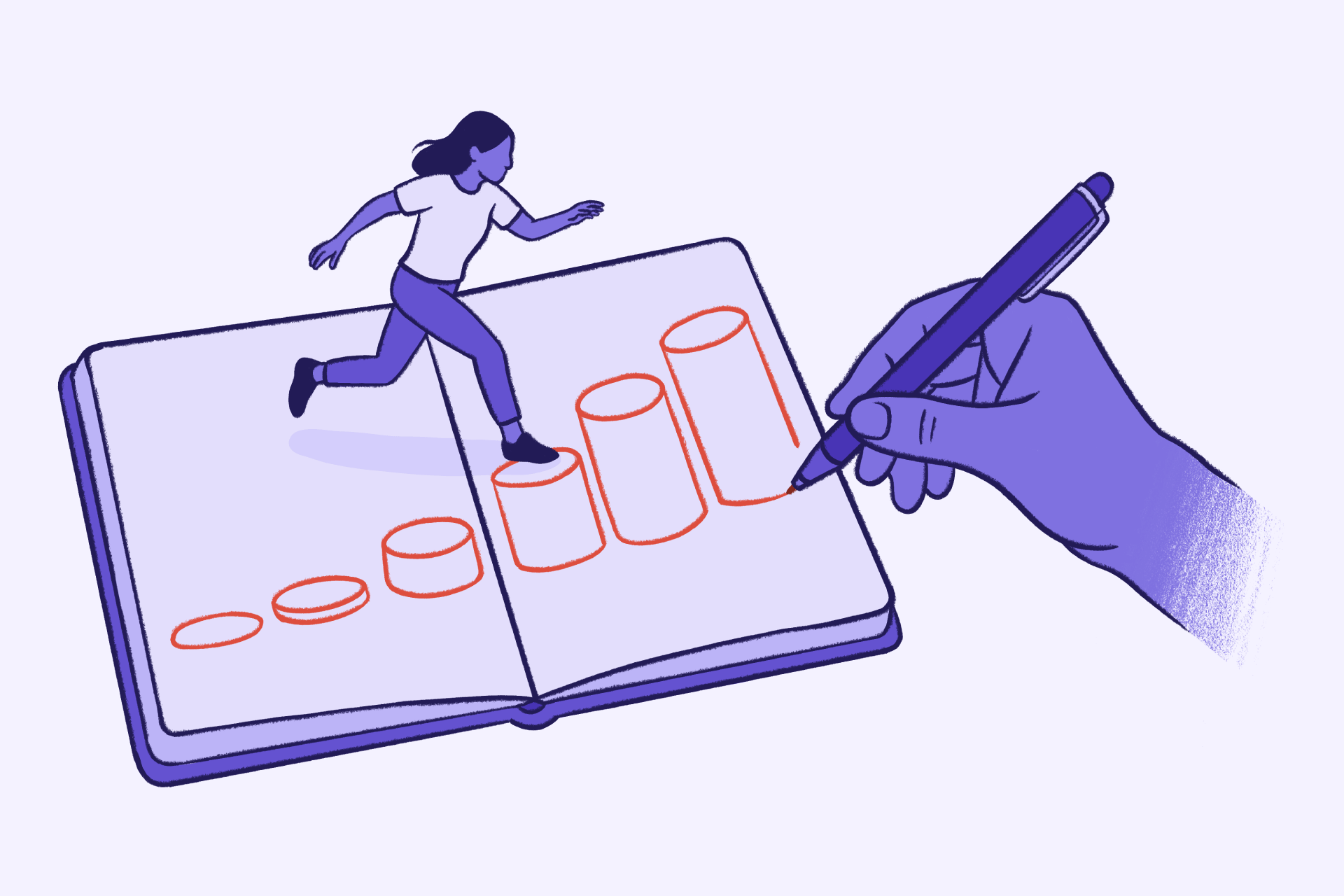
In recovery, SMART goals might look like: "You will attend three support group meetings this week" (specific, measurable, achievable, realistic, and time-bound) rather than "You'll go to more meetings."6 Each time you set a goal and reach it, you show yourself that you can trust your own commitments. This can build self-esteem one small success at a time. Start with goals that feel manageable, and then increase them as your confidence grows.
7. Balance Essential Recovery Tasks with Enjoyable Activities
For balance, Garcia suggests creating a two-column list. In one column, write things that are essential for your sobriety, like meetings, step work, therapy appointments, and avoiding substances. In the other column, write activities that make those tasks more enjoyable.
"You can stay in your room staring at the wall and not use substances, but going on a sober bowling outing with your home group makes that down time way more enjoyable," she explains.
Sustainable recovery includes both discipline and enjoyment. When you balance necessary tasks with activities that bring you pleasure, recovery becomes something you're building toward rather than something you're enduring. This balance also reinforces that you deserve happiness in your life.
8. Connect with Something Greater Than Yourself
Many people in recovery find that connecting with something larger than themselves, whether that's a spiritual practice, nature, community service, or a sense of purpose, can provide perspective and meaning that supports self-esteem.
"Many people say, 'Focus on a higher power that helps you remember you aren't at the center of everything,'" says Garcia.
You can do this with or without religious belief. It might mean spending time in nature, meditating, practicing mindfulness, or contributing to causes you care about. The point is recognizing that you're part of something bigger, which can ease the pressure of perfectionism and remind you of your worth.
9. Love Your Recovered Self
Self-love in recovery means accepting yourself, including your past, your struggles, and your ongoing growth. It means treating yourself with the same respect and compassion you'd offer someone you care about. This kind of self-acceptance can develop gradually through consistent practice of the strategies above. Be patient with yourself.
The Role of Social Support in Building Self-Esteem

You can rebuild your self-esteem with support. Research suggests that social support can play a key role in recovery and returning to daily life.2 Spending time with people who understand you can help you feel better about yourself.
Support groups can help build self-esteem by:
- Reducing isolation and the feeling that "you're the only one"
- Normalizing shared struggles
- Offering encouragement without judgment
- Providing opportunities to help others
Feeling accepted may help with low self-esteem. When people in recovery see you, hear your story, and still welcome you, it can challenge the belief that you're unworthy of love and belonging.
Consider joining a support group, building friendships with others in recovery, or connecting with a sponsor or mentor who can offer guidance and accountability. These relationships can reflect back your strengths and potential when you struggle to see them yourself.
Start Your Recovery Journey
If you're ready to find addiction treatment for yourself or a loved one, help is available. Browse top medical detox centers in the U.S., inpatient addiction treatment facilities, aftercare options, and more to start on the path to recovery. You can search for rehab by insurance carrier, location, amenities, and more for free. Help is available, and you can reach out when you're ready.
FAQs
-
Łosiak, W., & Nikiel, J. (2022). Shame and low self-esteem as the risk factors for relapse in substance use disorders. Frontiers in Psychiatry, 13, 815118. https://www.frontiersin.org/journals/psychiatry/articles/10.3389/fpsyt.2022.815118/full
-
Guan, X., Chen, Y., & Li, S. (2025). Social support and recovery outcomes: A systematic review. Frontiers in Psychiatry, 16, 1444379. https://www.frontiersin.org/journals/psychiatry/articles/10.3389/fpsyt.2025.1444379/full
-
American Psychological Association. (2023, November 15). Self-esteem. https://dictionary.apa.org/self-esteem
-
Merriam-Webster. (2026, February 26). Confidence. https://www.merriam-webster.com/dictionary/confidence
-
Muris, P., Otgaar, H. (2023, August 3). Self-Esteem and Self-Compassion: A Narrative Review and Meta-Analysis on Their Links to Psychological Problems and Well-Being. https://pmc.ncbi.nlm.nih.gov/articles/PMC10406111/
-
SMART Recovery USA. (2025). Values and Goals Clarification. https://smartrecovery.org/values-and-goals-clarification



















Our Promise
How Is Recovery.com Different?
We believe everyone deserves access to accurate, unbiased information about mental health and recovery. That's why we have a comprehensive set of treatment providers and don't charge for inclusion. Any center that meets our criteria can list for free. We do not and have never accepted fees for referring someone to a particular center. Providers who advertise with us must be verified by our Research Team and we clearly mark their status as advertisers.
Our goal is to help you choose the best path for your recovery. That begins with information you can trust.