Find Treatment By
Rehabs by Location


Find Treatment By
Learn
About Us
Recovery.com combines independent research with expert guidance on addiction and mental health treatment. Our mission is to help everyone find the best path to recovery through the most comprehensive, helpful network of treatment providers worldwide.
Advisory Council
Our advisory council brings together leaders in behavioral health, technology, and business. Their diverse expertise ensures our resources and product are innovative, evidence-based, and effective. They guide our mission as accomplished individuals dedicated to improving the landscape of addiction recovery and mental wellness.
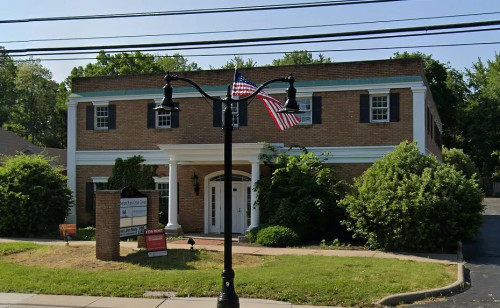
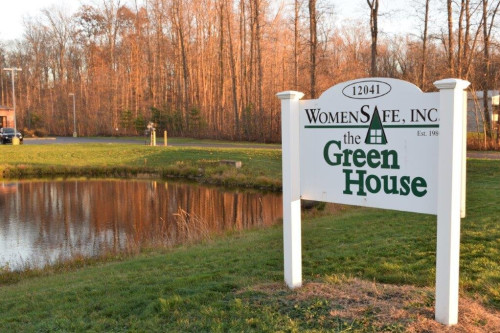
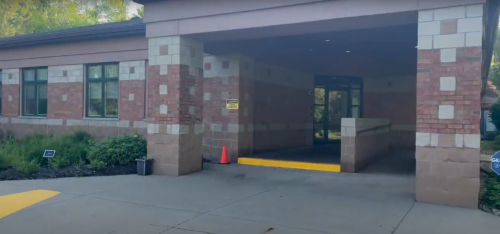
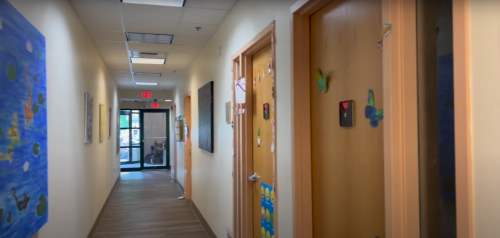
WomenSafe, Inc. The Green House
Treatment Focus
At this center, you receive personalized care for mental health conditions. They provide therapy and tailor treatment to your unique needs, diagnoses, and preferences.
Primary Level of Care
Offering intensive care with 24/7 monitoring, residential treatment is typically 30 days and can cover multiple levels of care. Length can range from 14 to 90 days typically.
This provider hasn't verified their profile's information. Are you the owner of this center? Claim your listing to better manage your presence on Recovery.com.
Treatment Focus
At this center, you receive personalized care for mental health conditions. They provide therapy and tailor treatment to your unique needs, diagnoses, and preferences.
Primary Level of Care
Offering intensive care with 24/7 monitoring, residential treatment is typically 30 days and can cover multiple levels of care. Length can range from 14 to 90 days typically.
Private Pay
You pay directly for treatment out of pocket. This approach can offer enhanced privacy and flexibility, without involving insurance. Exact costs vary based on program and length of stay. Contact the center for specific details.
WomenSafe, Inc. The Green House
WomenSafe, Inc. The Green House
About WomenSafe, Inc. The Green House
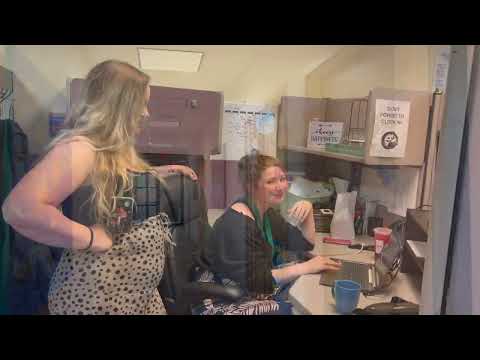
WomenSafe has supported survivors of domestic violence across Northeast Ohio since 1980. As a nonprofit resource center and emergency shelter, its mission is to provide safety, support, and advocacy for individuals and families fleeing abuse. Through community education and outreach, the center also raises awareness and works to prevent further violence.
Supportive Services for Healing
Survivors receive free and confidential services including emergency shelter, court advocacy, and trauma-informed counseling for adults and children. The facility also offers art and play therapy, peer-led support groups, employment and housing advocacy, and a specialized Empowered Parenting program. Each service helps survivors process trauma and rebuild their lives with dignity and safety.
Safe Spaces and Ongoing Support
The center brings together shelter, staff, and outreach in one secure space. Survivors have access to household essentials, donated furniture, and relocation support. Aftercare includes continued contact, resource connection, and basic needs assistance. Programs like community education and peer groups strengthen long-term recovery and create lasting impact beyond shelter walls.
Center Overview
Treatment Focus
At this center, you receive personalized care for mental health conditions. They provide therapy and tailor treatment to your unique needs, diagnoses, and preferences.
CARF Accredited
CARF stands for the Commission on Accreditation of Rehabilitation Facilities. It's an independent, non-profit organization that provides accreditation services for a variety of healthcare services. To be accredited means that the program meets their standards for quality, effectiveness, and person-centered care.

Pricing and Program Length
Estimated Center Costs
Center pricing can vary based on program and length of stay. Contact the center for more information. Recovery.com strives for price transparency so you can make an informed decision.
Levels of Care


Your Care Options
Specializations
Children
Treatment for children incorporates the psychiatric care they need and education, often led by on-site teachers to keep children on track with school.
Post Traumatic Stress Disorder
PTSD is a long-term mental health issue caused by a disturbing event or events. Symptoms include anxiety, dissociation, flashbacks, and intrusive thoughts.
Trauma
Some traumatic events are so disturbing that they cause long-term mental health problems. Those ongoing issues can also be referred to as "trauma."
Who We Treat
Adolescents
Teens receive the treatment they need for mental health disorders and addiction, with the added support of educational and vocational services.
Children
Treatment for children incorporates the psychiatric care they need and education, often led by on-site teachers to keep children on track with school.
Men and Women
Men and women attend treatment for addiction in a co-ed setting, going to therapy groups together to share experiences, struggles, and successes.
Approaches
Evidence-Based
A combination of scientifically rooted therapies and treatments make up evidence-based care, defined by their measured and proven results.
Individual Treatment
Individual care meets the needs of each patient, using personalized treatment to provide them the most relevant care and greatest chance of success.
Therapies
1-on-1 Counseling
Patient and therapist meet 1-on-1 to work through difficult emotions and behavioral challenges in a personal, private setting.
Art Therapy
Visual art invites patients to examine the emotions within their work, focusing on the process of creativity and its gentle therapeutic power.
Eye Movement Therapy (EMDR)
Lateral, guided eye movements help reduce the emotional reactions of retelling and reprocessing trauma, allowing intense feelings to dissipate.
Life Skills
Teaching life skills like cooking, cleaning, clear communication, and even basic math provides a strong foundation for continued recovery.
Online Therapy
Patients can connect with a therapist via videochat, messaging, email, or phone. Remote therapy makes treatment more accessible.
Play Therapy
This approach is commonly used with children. It incorporates elements of play and self-expression, like boardgames, finger painting, dolls, and blocks.
Psychoeducation
This method combines treatment with education, teaching patients about different paths toward recovery. This empowers them to make more effective decisions.
Languages
Conditions We Treat
Anxiety
Anxiety is a common mental health condition that can include excessive worry, panic attacks, physical tension, and increased blood pressure.
Depression
Symptoms of depression may include fatigue, a sense of numbness, and loss of interest in activities. This condition can range from mild to severe.
Grief and Loss
Grief is a natural reaction to loss, but severe grief can interfere with your ability to function. You can get treatment for this condition.
Post Traumatic Stress Disorder
PTSD is a long-term mental health issue caused by a disturbing event or events. Symptoms include anxiety, dissociation, flashbacks, and intrusive thoughts.
Trauma
Some traumatic events are so disturbing that they cause long-term mental health problems. Those ongoing issues can also be referred to as "trauma."