Find Treatment By
Rehabs by Location


Find Treatment By
Learn
About Us
Recovery.com combines independent research with expert guidance on addiction and mental health treatment. Our mission is to help everyone find the best path to recovery through the most comprehensive, helpful network of treatment providers worldwide.
Advisory Council
Our advisory council brings together leaders in behavioral health, technology, and business. Their diverse expertise ensures our resources and product are innovative, evidence-based, and effective. They guide our mission as accomplished individuals dedicated to improving the landscape of addiction recovery and mental wellness.
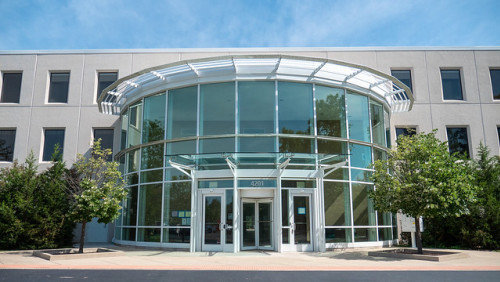


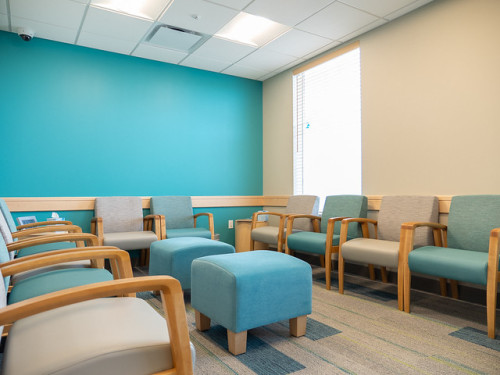
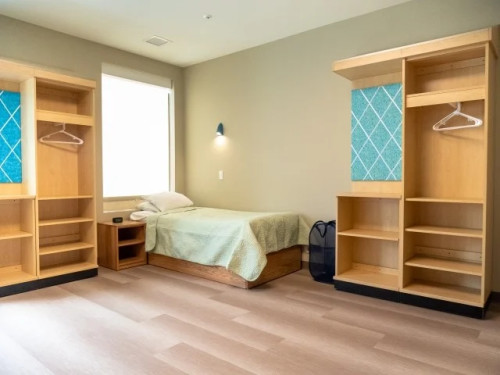
Pathlight Mood & Anxiety Center Northbrook
Verified Center
This provider's information has been quality-checked by Recovery.com's Research Team for accuracy and completeness, including center verification through appropriate third-party organizations.
Treatment Focus
At this center, you receive personalized care for mental health conditions. They provide therapy and tailor treatment to your unique needs, diagnoses, and preferences.
Primary Level of Care
Offering intensive care with 24/7 monitoring, residential treatment is typically 30 days and can cover multiple levels of care. Length can range from 14 to 90 days typically.
Treatment Focus
At this center, you receive personalized care for mental health conditions. They provide therapy and tailor treatment to your unique needs, diagnoses, and preferences.
Primary Level of Care
Offering intensive care with 24/7 monitoring, residential treatment is typically 30 days and can cover multiple levels of care. Length can range from 14 to 90 days typically.
Provider's Policy
To ensure you can pursue recovery, Pathlight Mood and Anxiety Center's dedicated team will work on your behalf by acting as a liaison with your insurance provider, answering your questions, and providing guidance and support every step of the way. Please contact Pathlight Mood and Anxiety Center's admissions team to hear about what your benefits will cover.
Pathlight Mood & Anxiety Center Northbrook
Pathlight Mood & Anxiety Center Northbrook
About Pathlight Mood & Anxiety Center Northbrook
Children and teens ages 12–18 can access structured residential mental health treatment at Pathlight Mood & Anxiety Center Northbrook. Their psychiatrist-led programs support anxiety, depression, mood disorders, OCD, trauma, substance use tracks, and co-occurring concerns through residential care, partial hospitalization program (PHP), intensive outpatient program (IOP), and virtual IOP options in one location.
Practice Skills With Clinical Support
Pathlight Northbrook uses youth-focused clinical care to help children and teens feel safe, understand symptoms, and practice new responses. Treatment can include therapy, psychiatry, nursing, family therapy, academic support, art and yoga therapy, peer connection, and structured skills practice for emotional regulation, avoidance, communication, school challenges, and daily routines.
Step Down With the Same Team
Northbrook offers 4 levels of mental health care so support can adjust as a child’s needs change. Residential treatment provides full-time care with therapy, meals, nursing, and 24/7 supervision, while PHP offers daytime treatment 5 days per week and IOP provides 3 hours of support, 3 days per week, with virtual IOP available throughout Illinois.
Support the Whole Family
Pathlight includes parents and caregivers throughout treatment because youth mental health recovery often affects the whole home system. Families can take part in weekly family therapy, regular care team updates, education, and support resources that help them understand symptoms, participate in care, and prepare for the next level of support after residential treatment.

Center Overview
Treatment Focus
At this center, you receive personalized care for mental health conditions. They provide therapy and tailor treatment to your unique needs, diagnoses, and preferences.
Joint Commission Accredited
The Joint Commission accreditation is a voluntary, objective process that evaluates and accredits healthcare organizations (like treatment centers) based on performance standards designed to improve quality and safety for patients. To be accredited means the treatment center has been found to meet the Commission's standards for quality and safety in patient care.

Insurance Accepted













Recovery.com Verified Listing
Recovery.com verified that the name, location, contact information and license to operate for this treatment provider are valid and up-to-date.
Joint Commission Accredited

Licensed by Illinois
Recovery.com is an independent, third-party mental health resource. Verification does not imply endorsement and does not guarantee the quality of treatment services.
Meet Your Care Team

David Drajkowski
Clinical Director
MSW, LCSW

Allison Tate
Clinical Manager

Delia Aldridge
Medical Director
MD, FAPA, CEDS-C
Your Care Options
Specializations
Adolescents
Teens receive the treatment they need for mental health disorders and addiction, with the added support of educational and vocational services.
Children
Treatment for children incorporates the psychiatric care they need and education, often led by on-site teachers to keep children on track with school.
Anxiety
Anxiety is a common mental health condition that can include excessive worry, panic attacks, physical tension, and increased blood pressure.
Depression
Symptoms of depression may include fatigue, a sense of numbness, and loss of interest in activities. This condition can range from mild to severe.
Who We Treat
Adolescents
Teens receive the treatment they need for mental health disorders and addiction, with the added support of educational and vocational services.
Children
Treatment for children incorporates the psychiatric care they need and education, often led by on-site teachers to keep children on track with school.
LGBTQ+
Addiction and mental illnesses in the LGBTQ+ community must be treated with an affirming, safe, and relevant approach, which many centers provide.
Treatment Services
Licensed Primary Mental Health
Some primary care providers offer mental health diagnosis and treatment. This can prevent patients from developing more serious conditions.
Residential
In a residential rehab program, patients live onsite, with access to daily treatment and 24-hour care. An average stay is 30-90 days.
Virtual
Virtual services deliver therapy, counseling, or recovery support remotely through secure online platforms and telehealth technology.
Approaches
Evidence-Based
A combination of scientifically rooted therapies and treatments make up evidence-based care, defined by their measured and proven results.
Family Involvement
Providers involve family in the treatment of their loved one through family therapy, visits, or both–because addiction is a family disease.
Individual Treatment
Individual care meets the needs of each patient, using personalized treatment to provide them the most relevant care and greatest chance of success.
Therapies
1-on-1 Counseling
Patient and therapist meet 1-on-1 to work through difficult emotions and behavioral challenges in a personal, private setting.
Acceptance and Commitment Therapy (ACT)
This cognitive behavioral therapy teaches patients to accept challenging feelings and make the appropriate changes to reach personal goals.
Art Therapy
Visual art invites patients to examine the emotions within their work, focusing on the process of creativity and its gentle therapeutic power.
Cognitive Behavioral Therapy
Cognitive Behavioral Therapy helps people identify and change unhelpful thought patterns and behaviors that contribute to emotional distress.
Dialectical Behavior Therapy
Dialectical Behavior Therapy teaches skills for managing emotions, improving relationships, tolerating distress, and increasing mindfulness.
Exposure Therapy
Exposure therapy helps individuals gradually face feared situations or triggers to reduce anxiety and build confidence over time.
Expressive Arts
Creative processes like art, writing, or dance use inner creative desires to help boost confidence, emotional growth, and initiate change.
Family Therapy
Family therapy addresses group dynamics within a family system, with a focus on improving communication and interrupting unhealthy relationship patterns.
Group Therapy
Group therapy brings people together in a supportive setting to share experiences, develop skills, and work toward common goals.
Languages
Conditions We Treat
Anxiety
Anxiety is a common mental health condition that can include excessive worry, panic attacks, physical tension, and increased blood pressure.
Bipolar
This mental health condition is characterized by extreme mood swings between depression, mania, and remission.
Depression
Symptoms of depression may include fatigue, a sense of numbness, and loss of interest in activities. This condition can range from mild to severe.
Grief and Loss
Grief is a natural reaction to loss, but severe grief can interfere with your ability to function. You can get treatment for this condition.
Obsessive Compulsive Disorder (OCD)
OCD is characterized by intrusive and distressing thoughts that drive repetitive behaviors. This pattern disrupts daily life and relationships.
Post Traumatic Stress Disorder
PTSD is a long-term mental health issue caused by a disturbing event or events. Symptoms include anxiety, dissociation, flashbacks, and intrusive thoughts.
Trauma
Some traumatic events are so disturbing that they cause long-term mental health problems. Those ongoing issues can also be referred to as "trauma."
Care Designed for Your Needs
Personal Amenities
Amenities
Activities
Learn More About the Center
Family and Caregiver Resources
Explore education and support resources for loved ones involved in treatment.
Pathlight Orientation
Learn what families can expect before and during Pathlight treatment.
Virtual Family Education
Join free education sessions for families supporting a loved one in treatment.
Alumni and Aftercare Support
Learn how outreach, events, and support groups extend care after discharge.