Find Treatment By
Rehabs by Location


Find Treatment By
Learn
About Us
Recovery.com combines independent research with expert guidance on addiction and mental health treatment. Our mission is to help everyone find the best path to recovery through the most comprehensive, helpful network of treatment providers worldwide.
Advisory Council
Our advisory council brings together leaders in behavioral health, technology, and business. Their diverse expertise ensures our resources and product are innovative, evidence-based, and effective. They guide our mission as accomplished individuals dedicated to improving the landscape of addiction recovery and mental wellness.



Josie's Hope Center
Verified Center
This provider's information has been quality-checked by Recovery.com's Research Team for accuracy and completeness, including center verification through appropriate third-party organizations.
Treatment Focus
This center treats substance use disorders and mental health conditions. You'll receive individualized care catered to your unique situation and diagnosis, learn practical skills for recovery, and make new connections in a restorative environment.
Primary Level of Care
Offering intensive care with 24/7 monitoring, residential treatment is typically 30 days and can cover multiple levels of care. Length can range from 14 to 90 days typically.
Treatment Focus
This center treats substance use disorders and mental health conditions. You'll receive individualized care catered to your unique situation and diagnosis, learn practical skills for recovery, and make new connections in a restorative environment.
Primary Level of Care
Offering intensive care with 24/7 monitoring, residential treatment is typically 30 days and can cover multiple levels of care. Length can range from 14 to 90 days typically.
Insurance Accepted
This center accepts insurance, exact cost can vary depending on your plan and deductible.
Josie's Hope Center
Josie's Hope Center
About Josie's Hope Center
Serving up to 10 clients at a time, Josie’s Hope Center provides a caring team and a residential treatment experience built around dignity, structure, and support. Through evidence-based care, individualized treatment plans, and holistic wellness practices, they help clients heal the mind, strengthen the body, and reconnect with a meaningful life. Their integrated approach ensures that mental health stabilization and addiction recovery are treated together, not in isolation.
Treat the Whole Person, Not Just Symptoms
Each day at Josie’s Hope Center follows a schedule that balances clinical intensity with restorative wellness. Clients participate in up to six hours of group therapy daily focused on emotional regulation and personal accountability. Individual therapy sessions provide focused time to address trauma, grief, anxiety, depression, and other underlying concerns. Psychiatric follow-up ensures medication regimens remain effective and adjusted as needed. Clients also participate in fitness and self-care sessions.
Relax in a Safe Community
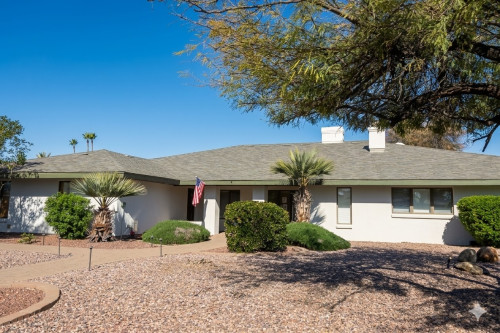
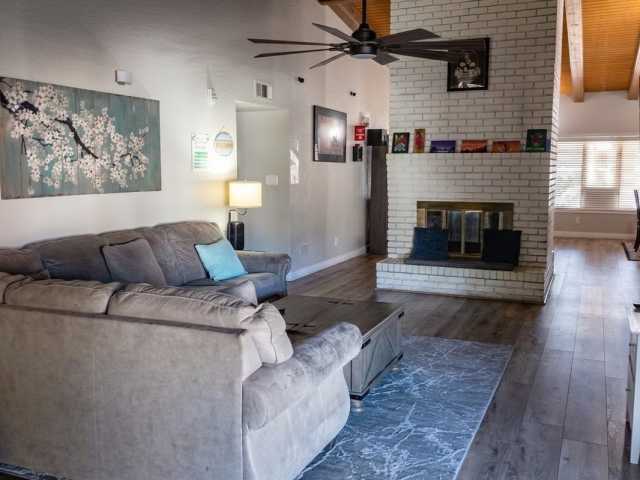
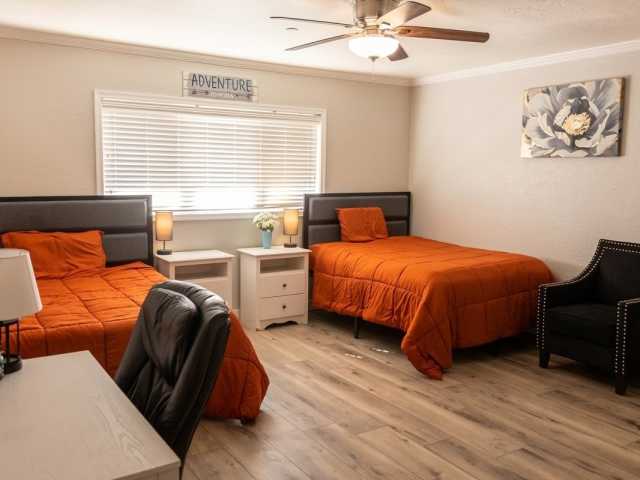
Josie’s Hope Center is in a comfortable suburban home in Paradise Valley Village in northeast Phoenix. Clients stay in semi-private bedrooms with walk-in closets and flat screens with streaming services. Ample indoor living space and a large backyard give clients room to relax. Staff provide meals, and clients manage personal laundry. The group visits an off-site gym several times weekly while Josie’s completes its on-site gym.
Plan for Long-Term Resilience
Early in treatment, Josie’s Hope Center starts coordinating a structured aftercare plan with practical tools to maintain stability beyond residential treatment. Clients leave with outpatient referrals, psychiatric follow-up, community-based recovery meetings, and relapse prevention strategies. The alumni program also helps clients maintain connection, accountability, and community with others who have completed treatment there.
Highlights from the Center
Highlights
These highlights are provided by and paid for by the center.
Customized Treatment Plans
Co-Occurring Disorders Treatment
Holistic Approach
Trauma-Informed Care
Center Overview
Treatment Focus
This center treats substance use disorders and mental health conditions. You'll receive individualized care catered to your unique situation and diagnosis, learn practical skills for recovery, and make new connections in a restorative environment.

Insurance Accepted






Cash Pay Rates
Estimated Cash Pay Rate
Center pricing can vary based on program and length of stay. Contact the center for more information. Recovery.com strives for price transparency so you can make an informed decision.
Meet Your Care Team

Dr. Ivan Wallace
Chief Clinical Officer

Dr. Amanda Johnson
Therapist

Dr. Christine Phillips
Nurse Practitioner

Dr. Mark Hoffman
Recovery Program Manager

Dr. Mike Goodman
Therapist

Dr. Walter Pratt
Recovery Program Manager


Levels of Care


Your Care Options
Specializations
Alcohol
Using alcohol as a coping mechanism, or drinking excessively throughout the week, signals an alcohol use disorder.
Co-Occurring Disorders
A person with multiple mental health diagnoses, such as addiction and depression, has co-occurring disorders also called dual diagnosis.
Depression
Symptoms of depression may include fatigue, a sense of numbness, and loss of interest in activities. This condition can range from mild to severe.
Drug Addiction
Drug addiction is the excessive and repetitive use of substances, despite harmful consequences to a person's life, health, and relationships.
Evidence-Based
A combination of scientifically rooted therapies and treatments make up evidence-based care, defined by their measured and proven results.
Residential
In a residential rehab program, patients live onsite, with access to daily treatment and 24-hour care. An average stay is 30-90 days.
Trauma
Some traumatic events are so disturbing that they cause long-term mental health problems. Those ongoing issues can also be referred to as "trauma."
Who We Treat
LGBTQ+
Addiction and mental illnesses in the LGBTQ+ community must be treated with an affirming, safe, and relevant approach, which many centers provide.
Men and Women
Men and women attend treatment for addiction in a co-ed setting, going to therapy groups together to share experiences, struggles, and successes.
Approaches
Evidence-Based
A combination of scientifically rooted therapies and treatments make up evidence-based care, defined by their measured and proven results.
Family Involvement
Providers involve family in the treatment of their loved one through family therapy, visits, or both–because addiction is a family disease.
Individual Treatment
Individual care meets the needs of each patient, using personalized treatment to provide them the most relevant care and greatest chance of success.
Personalized Treatment
The specific needs, histories, and conditions of individual patients receive personalized, highly relevant care throughout their recovery journey.
Wellness
Wellness philosophies focus on the physical, mental, and spiritual wellness of each patient, helping them restore purpose with natural remedies.
Therapies
1-on-1 Counseling
Patient and therapist meet 1-on-1 to work through difficult emotions and behavioral challenges in a personal, private setting.
Family Therapy
Family therapy addresses group dynamics within a family system, with a focus on improving communication and interrupting unhealthy relationship patterns.
Life Skills
Teaching life skills like cooking, cleaning, clear communication, and even basic math provides a strong foundation for continued recovery.
Medication-Assisted Treatment
Combined with behavioral therapy, prescribed medications can enhance treatment by relieving withdrawal symptoms and focus patients on their recovery.
Relapse Prevention Counseling
Relapse prevention counselors teach patients to recognize the signs of relapse and reduce their risk.
Spiritual Care
Tending to spiritual health helps treatment become more effective, allowing patients to better cope with their emotions and rebuild their spiritual wellbeing.
Twelve Step Facilitation
12-Step groups offer a framework for addiction recovery. Members commit to a higher power, recognize their issues, and support each other in the healing process.
Languages
Conditions We Treat
Anxiety
Anxiety is a common mental health condition that can include excessive worry, panic attacks, physical tension, and increased blood pressure.
Depression
Symptoms of depression may include fatigue, a sense of numbness, and loss of interest in activities. This condition can range from mild to severe.
Stress
Stress is a natural reaction to challenges, and it can even help you adapt. However, chronic stress can cause physical and mental health issues.
Trauma
Some traumatic events are so disturbing that they cause long-term mental health problems. Those ongoing issues can also be referred to as "trauma."
Substances We Treat
Alcohol
Using alcohol as a coping mechanism, or drinking excessively throughout the week, signals an alcohol use disorder.
Co-Occurring Disorders
A person with multiple mental health diagnoses, such as addiction and depression, has co-occurring disorders also called dual diagnosis.
Drug Addiction
Drug addiction is the excessive and repetitive use of substances, despite harmful consequences to a person's life, health, and relationships.
Heroin
Heroin is a highly addictive and illegal opioid. It can cause insomnia, collapsed veins, heart issues, and additional mental health issues.
Opioids
Opioids produce pain-relief and euphoria, which can lead to addiction. This class of drugs includes prescribed medication and the illegal drug heroin.
Prescription Drugs
It's possible to abuse any drug, even prescribed ones. If you crave a medication, or regularly take it more than directed, you may have an addiction.
Aftercare
Care Designed for Your Needs
Personal Amenities
Special Considerations
Gender-specific groups
Patients in gender-specific groups gain the opportunity to discuss challenges unique to their gender in a comfortable, safe setting conducive to healing.
Pet Friendly
For greater comfort and healing, pet-friendly treatment centers welcome dogs and animal companions to stay with their owners while they attend treatment.
Flexible technology policies
Centers with flexible technology policies allow professionals to stay in touch with work and give patients a greater sense of connection and normalcy.
Couples program
Using gentle clinical care, therapists guide patients and their partner through guided sessions to address issues and work towards lasting solutions.