Find Treatment By
Rehabs by Location


Find Treatment By
Learn
About Us
Recovery.com combines independent research with expert guidance on addiction and mental health treatment. Our mission is to help everyone find the best path to recovery through the most comprehensive, helpful network of treatment providers worldwide.
Advisory Council
Our advisory council brings together leaders in behavioral health, technology, and business. Their diverse expertise ensures our resources and product are innovative, evidence-based, and effective. They guide our mission as accomplished individuals dedicated to improving the landscape of addiction recovery and mental wellness.

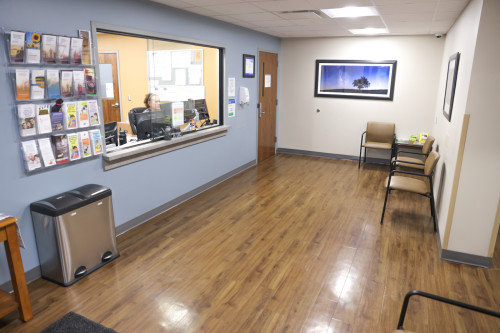
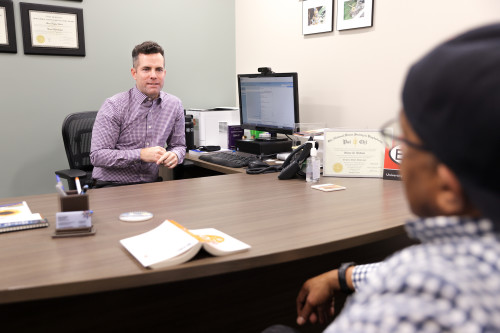
CKF Addiction Treatment Salina
Treatment Focus
This center treats substance use disorders and co-occurring mental health conditions. Your treatment plan addresses each condition at once with personalized, compassionate care for comprehensive healing.
Primary Level of Care
Offering intensive care with 24/7 monitoring, residential treatment is typically 30 days and can cover multiple levels of care. Length can range from 14 to 90 days typically.
This provider hasn't verified their profile's information. Are you the owner of this center? Claim your listing to better manage your presence on Recovery.com.
Treatment Focus
This center treats substance use disorders and co-occurring mental health conditions. Your treatment plan addresses each condition at once with personalized, compassionate care for comprehensive healing.
Primary Level of Care
Offering intensive care with 24/7 monitoring, residential treatment is typically 30 days and can cover multiple levels of care. Length can range from 14 to 90 days typically.
Provider's Policy
CKF accepts Medicaid and Commercial Insurance. CKF does offer sliding scale rates for treatment services. The cost is dependent on number of people in household and income.
CKF Addiction Treatment Salina
CKF Addiction Treatment Salina
About CKF Addiction Treatment Salina
With convenient access to I-70 and I-135, CKF Addiction Treatment in Salina offers detox, residential treatment, and outpatient treatment for substance use. Founded in 1967, CKF seeks to make treatment affordable by accepting Medicaid and private insurance, as well as offering a sliding scale for most services.
Detox and Residential Program
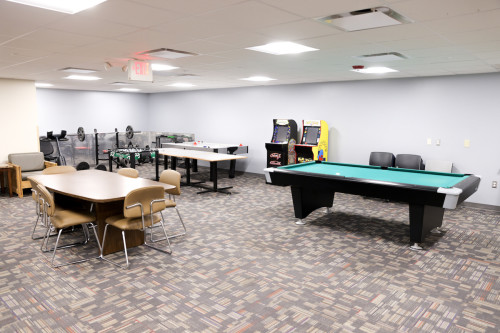
Treatment at CKF begins with an assessment, with clients who need a higher level of care recommended for detox and residential treatment. Treatment options range from 7 days for medically-monitored detox only to 28 days for the full residential program. Clients participate in individual and group therapy, psychoeducation, and learn relapse prevention strategies with licensed addiction counselors and peer mentors. In addition to formal therapy, clients can engage in ping-pong, relax in the TV lounge, and enjoy quiet walking trails.
Outpatient Programs
CKF additionally offers outpatient programs, including an intensive outpatient program (IOP) that meets 3 hours per day, 3 days per week, and an outpatient program that meets twice weekly for 3 hours. Outpatient clients may also be good candidates for medication-assisted treatment (MAT) to help with substance cravings and withdrawal symptoms. Adolescents can participate in a specialized program that meets 1 hour each evening from Monday - Friday. CKF also offers supportive housing for women in outpatient treatment.
Center Overview
Treatment Focus
This center treats substance use disorders and co-occurring mental health conditions. Your treatment plan addresses each condition at once with personalized, compassionate care for comprehensive healing.
CARF Accredited
CARF stands for the Commission on Accreditation of Rehabilitation Facilities. It's an independent, non-profit organization that provides accreditation services for a variety of healthcare services. To be accredited means that the program meets their standards for quality, effectiveness, and person-centered care.

Insurance Accepted

Cash Pay Rates
Estimated Cash Pay Rate
Center pricing can vary based on program and length of stay. Contact the center for more information. Recovery.com strives for price transparency so you can make an informed decision.
Levels of Care


Your Care Options
Specializations
Alcohol
Using alcohol as a coping mechanism, or drinking excessively throughout the week, signals an alcohol use disorder.
Detox
Detox fully and safely removes toxic substances from the body, allowing the next steps in treatment to begin with a clean slate.
Drug Addiction
Drug addiction is the excessive and repetitive use of substances, despite harmful consequences to a person's life, health, and relationships.
Medication-Assisted Treatment
Combined with behavioral therapy, prescribed medications can enhance treatment by relieving withdrawal symptoms and focus patients on their recovery.
Who We Treat
Adolescents
Teens receive the treatment they need for mental health disorders and addiction, with the added support of educational and vocational services.
Men and Women
Men and women attend treatment for addiction in a co-ed setting, going to therapy groups together to share experiences, struggles, and successes.
Approaches
Twelve Step
Incorporating spirituality, community, and responsibility, 12-Step philosophies prioritize the guidance of a Higher Power and a continuation of 12-Step practices.
Therapies
1-on-1 Counseling
Patient and therapist meet 1-on-1 to work through difficult emotions and behavioral challenges in a personal, private setting.
Cognitive Behavioral Therapy
Cognitive Behavioral Therapy helps people identify and change unhelpful thought patterns and behaviors that contribute to emotional distress.
Group Therapy
Group therapy brings people together in a supportive setting to share experiences, develop skills, and work toward common goals.
Life Skills
Teaching life skills like cooking, cleaning, clear communication, and even basic math provides a strong foundation for continued recovery.
Medication-Assisted Treatment
Combined with behavioral therapy, prescribed medications can enhance treatment by relieving withdrawal symptoms and focus patients on their recovery.
Motivational Interviewing
This is a collaborative counseling approach that helps individuals strengthen motivation and commitment to positive change.
Online Therapy
Patients can connect with a therapist via videochat, messaging, email, or phone. Remote therapy makes treatment more accessible.
Psychoeducation
This method combines treatment with education, teaching patients about different paths toward recovery. This empowers them to make more effective decisions.
Relapse Prevention Counseling
Relapse prevention counselors teach patients to recognize the signs of relapse and reduce their risk.
Languages
Conditions We Treat
Anxiety
Anxiety is a common mental health condition that can include excessive worry, panic attacks, physical tension, and increased blood pressure.
Depression
Symptoms of depression may include fatigue, a sense of numbness, and loss of interest in activities. This condition can range from mild to severe.
Substances We Treat
Alcohol
Using alcohol as a coping mechanism, or drinking excessively throughout the week, signals an alcohol use disorder.
Benzodiazepines
Benzodiazepines are prescribed to treat anxiety, insomnia, and seizures. They can be habit-forming and may cause drowsiness, memory problems, and dependence.
Chronic Relapse
Consistent relapse occurs repeatedly, after partial recovery from addiction. This condition requires long-term treatment.
Co-Occurring Disorders
A person with multiple mental health diagnoses, such as addiction and depression, has co-occurring disorders also called dual diagnosis.
Cocaine
Cocaine is a stimulant with euphoric effects. Agitation, muscle ticks, psychosis, and heart issues are common symptoms of cocaine use.
Drug Addiction
Drug addiction is the excessive and repetitive use of substances, despite harmful consequences to a person's life, health, and relationships.
Heroin
Heroin is a highly addictive opioid that produces feelings of euphoria and relaxation. Its use carries serious risks, including overdose and dependence.
Marijuana
Marijuana is a psychoactive substance derived from cannabis. It can affect mood, memory, coordination, and perception, with varying effects between individuals.
Methamphetamine
Methamphetamine is a powerful stimulant that increases energy and alertness. Repeated use can lead to addiction and significant physical and mental health risks.
Aftercare
Intensive Outpatient Program
In an IOP, patients live at home or a sober living, but attend treatment typically 9-15 hours a week. Most programs include talk therapy, support groups, and other methods.