Find Treatment By
Rehabs by Location


Find Treatment By
Learn
About Us
Recovery.com combines independent research with expert guidance on addiction and mental health treatment. Our mission is to help everyone find the best path to recovery through the most comprehensive, helpful network of treatment providers worldwide.
Advisory Council
Our advisory council brings together leaders in behavioral health, technology, and business. Their diverse expertise ensures our resources and product are innovative, evidence-based, and effective. They guide our mission as accomplished individuals dedicated to improving the landscape of addiction recovery and mental wellness.
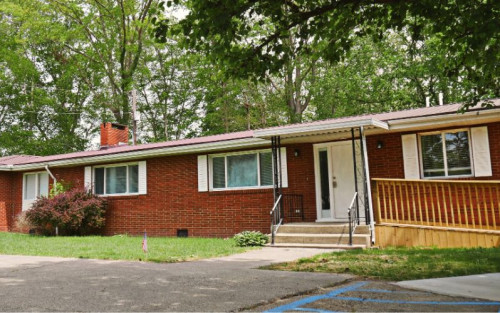
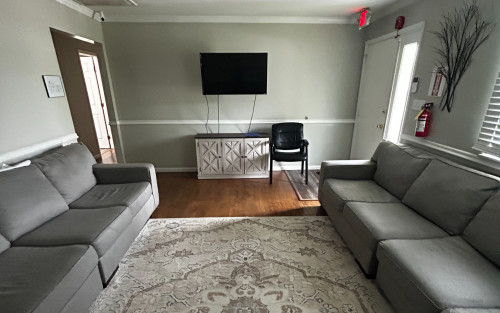
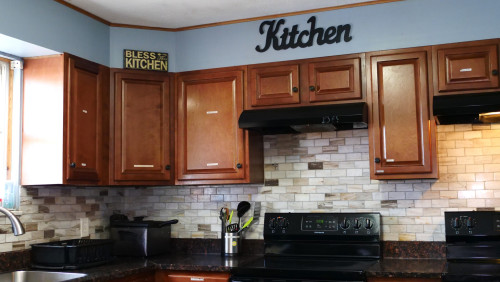
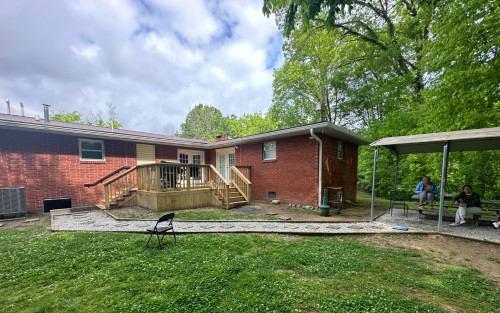
ARC Blackberry
Verified Center
This provider's information has been quality-checked by Recovery.com's Research Team for accuracy and completeness, including center verification through appropriate third-party organizations.
Treatment Focus
This center treats substance use disorders and co-occurring mental health conditions. Your treatment plan addresses each condition at once with personalized, compassionate care for comprehensive healing.
Primary Level of Care
Offering intensive care with 24/7 monitoring, residential treatment is typically 30 days and can cover multiple levels of care. Length can range from 14 to 90 days typically.
Treatment Focus
This center treats substance use disorders and co-occurring mental health conditions. Your treatment plan addresses each condition at once with personalized, compassionate care for comprehensive healing.
Primary Level of Care
Offering intensive care with 24/7 monitoring, residential treatment is typically 30 days and can cover multiple levels of care. Length can range from 14 to 90 days typically.
Provider's Policy
We accept Kentucky Medicaid plans.
About ARC Blackberry
Addiction Recovery Care (ARC) provides specialized treatment services designed specifically for women battling addiction. Emphasizing a Christian, holistic approach, ARC's program nurtures the whole person—mind, body, and spirit. The structured four-phase program is meticulously crafted to guide participants toward long-term recovery, beginning with an initial detox phase and culminating in a practical internship at ARC, where participants can apply their learned skills in a supportive environment.
Phase 1: Stabilization
The program's primary objective in its initial phase is to help clients achieve stability by detoxifying their bodies under supervision. This phase includes comprehensive support, such as 24/7 guidance from medical addiction specialists, individual and group counseling, and participation in recovery-focused meetings like AA, NA, and Celebrate Recovery.
Phase 2: Recovery & Life Skills
In Phase 2, clients advance in their recovery journey, receiving peer support and essential life skills training, including financial management and housing assistance. This phase offers intensive outpatient care, personalized case management, options for spiritual growth, ongoing counseling, and a supportive sober living environment. This holistic approach ensures clients are equipped with the practical tools necessary for long-term success.
Phase 3: Taking Action
Phase 3 focuses on taking active steps in recovery. Clients participate in community service, specialized job training, educational programs, and receive continued support and case management.
Phase 4: Job Skills & Education
Phase 4 emphasizes proactive engagement in recovery. Clients actively participate in community service, undergo specialized job training, and enroll in educational programs. Throughout this phase, they continue to receive comprehensive support and personalized case management, ensuring they build the skills and confidence needed for sustainable recovery and integration into the community.
Spiritual Support
Addiction Recovery Care (ARC) embeds Christian principles within its treatment frameworks, aiming to heal the entire person—mind, body, and spirit. This integration is manifested through spiritual care services, chaplain support, and participation in 12-Step meetings like AA or NA or faith-based recovery meetings such asCelebrate Recovery. These elements either foster a dependence on a higher power or are rooted in Christian values. ARC's holistic approach underscores the critical role of spiritual well-being in conjunction with physical and emotional health, creating a nurturing recovery environment that is both comprehensive and guided by Christian ethics.
Crisis to Career Program
Addiction Recovery Care’s "Crisis to Career" program is designed to help individuals transition from recovery to meaningful employment. Clients receive specialized job training, hands-on experience through internships, and educational opportunities, such as earning certificates in Health and Human Services from Sullivan University. This holistic approach ensures clients are well-prepared for long-term success in their personal and professional lives, supported by continuous counseling, case management, and peer support.
ARC is a CARF Accredited program that accepts most major insurance providers, including state of Kentucky Medicaid plans.

Highlights from the Center
Highlights
These highlights are provided by and paid for by the center.
Licensed Medical Facility
Trauma-Informed Care
Budget Friendly
Addiction Recovery
Center Overview
Treatment Focus
This center treats substance use disorders and co-occurring mental health conditions. Your treatment plan addresses each condition at once with personalized, compassionate care for comprehensive healing.
CARF Accredited
CARF stands for the Commission on Accreditation of Rehabilitation Facilities. It's an independent, non-profit organization that provides accreditation services for a variety of healthcare services. To be accredited means that the program meets their standards for quality, effectiveness, and person-centered care.

Insurance Accepted

Cash Pay Rates
Estimated Cash Pay Rate
Center pricing can vary based on program and length of stay. Contact the center for more information. Recovery.com strives for price transparency so you can make an informed decision.


Levels of Care


Your Care Options
Specializations
Spiritual Emphasis
Spirituality connects patients to a higher power and helps strengthen their recovery, hope, and compliance with other treatment modalities.
Alcohol
Using alcohol as a coping mechanism, or drinking excessively throughout the week, signals an alcohol use disorder.
Drug Addiction
Drug addiction is the excessive and repetitive use of substances, despite harmful consequences to a person's life, health, and relationships.
Methamphetamine
Methamphetamine is a powerful stimulant that increases energy and alertness. Repeated use can lead to addiction and significant physical and mental health risks.
Opioids
Opioids produce pain-relief and euphoria, which can lead to addiction. This class of drugs includes prescribed medication and the illegal drug heroin.
Post Traumatic Stress Disorder
PTSD is a long-term mental health issue caused by a disturbing event or events. Symptoms include anxiety, dissociation, flashbacks, and intrusive thoughts.
Trauma
Some traumatic events are so disturbing that they cause long-term mental health problems. Those ongoing issues can also be referred to as "trauma."
Women only
Women attend treatment in a gender-specific facility, with treatment delivered in a safe, nourishing, and supportive environment for greater comfort.
Who We Treat
Young Adults
Emerging adults ages 18-25 receive treatment catered to the unique challenges of early adulthood, like college, risky behaviors, and vocational struggles.
Women only
Women attend treatment in a gender-specific facility, with treatment delivered in a safe, nourishing, and supportive environment for greater comfort.
Approaches
Holistic
A non-medicinal, wellness-focused approach that aims to align the mind, body, and spirit for deep and lasting healing.
Spiritual Emphasis
Spirituality connects patients to a higher power and helps strengthen their recovery, hope, and compliance with other treatment modalities.
Twelve Step
Incorporating spirituality, community, and responsibility, 12-Step philosophies prioritize the guidance of a Higher Power and a continuation of 12-Step practices.
Therapies
1-on-1 Counseling
Patient and therapist meet 1-on-1 to work through difficult emotions and behavioral challenges in a personal, private setting.
1-on-1 Counseling with Clinical Psychologist
Individual counseling with a clinical psychologist provides personalized assessment, therapy, and support for mental health and behavioral concerns.
Canine Therapy
Friendly dogs provide a pleasant therapeutic experience, helping patients who've experienced trauma or separations build social and communication skills.
Cognitive Behavioral Therapy
Cognitive Behavioral Therapy helps people identify and change unhelpful thought patterns and behaviors that contribute to emotional distress.
Couples Counseling
Partners work to improve their communication patterns, using advice from their therapist to better their relationship and make healthy changes.
Dialectical Behavior Therapy
Dialectical Behavior Therapy teaches skills for managing emotions, improving relationships, tolerating distress, and increasing mindfulness.
Eye Movement Therapy (EMDR)
Lateral, guided eye movements help reduce the emotional reactions of retelling and reprocessing trauma, allowing intense feelings to dissipate.
Group Therapy
Group therapy brings people together in a supportive setting to share experiences, develop skills, and work toward common goals.
Introduction to the 12 Step Program
This service introduces participants to the principles, structure, and community support offered through 12-Step recovery programs.
Languages
Conditions We Treat
ADHD, ADD
ADD and ADHD are neurodevelopmental conditions that affect attention, focus, organization, and impulse control, often impacting daily life, school, work, and relationships.
Anger
Although anger itself isn't a disorder, it can get out of hand. If this feeling interferes with your relationships and daily functioning, treatment can help.
Anxiety
Anxiety is a common mental health condition that can include excessive worry, panic attacks, physical tension, and increased blood pressure.
Bipolar
This mental health condition is characterized by extreme mood swings between depression, mania, and remission.
Codependency
Codependency is a pattern of emotional dependence and controlling behavior. It's most common among people with addicted loved ones.
Depression
Symptoms of depression may include fatigue, a sense of numbness, and loss of interest in activities. This condition can range from mild to severe.
Grief and Loss
Grief is a natural reaction to loss, but severe grief can interfere with your ability to function. You can get treatment for this condition.
Narcissism
Narcissism involves an inflated sense of self-importance and a strong need for admiration. Severe traits may affect relationships and emotional functioning.
Obsessive Compulsive Disorder (OCD)
OCD is characterized by intrusive and distressing thoughts that drive repetitive behaviors. This pattern disrupts daily life and relationships.
Substances We Treat
Alcohol
Using alcohol as a coping mechanism, or drinking excessively throughout the week, signals an alcohol use disorder.
Benzodiazepines
Benzodiazepines are prescribed to treat anxiety, insomnia, and seizures. They can be habit-forming and may cause drowsiness, memory problems, and dependence.
Chronic Relapse
Consistent relapse occurs repeatedly, after partial recovery from addiction. This condition requires long-term treatment.
Co-Occurring Disorders
A person with multiple mental health diagnoses, such as addiction and depression, has co-occurring disorders also called dual diagnosis.
Cocaine
Cocaine is a stimulant with euphoric effects. Agitation, muscle ticks, psychosis, and heart issues are common symptoms of cocaine use.
Drug Addiction
Drug addiction is the excessive and repetitive use of substances, despite harmful consequences to a person's life, health, and relationships.
Ecstasy
Ecstasy is a stimulant that causes intense euphoria and heightened awareness. Use of this drug can trigger depression, insomnia, and memory problems.
Heroin
Heroin is a highly addictive opioid that produces feelings of euphoria and relaxation. Its use carries serious risks, including overdose and dependence.
Marijuana
Marijuana is a psychoactive substance derived from cannabis. It can affect mood, memory, coordination, and perception, with varying effects between individuals.