Find Treatment By
Rehabs by Location


Find Treatment By
Learn
About Us
Recovery.com combines independent research with expert guidance on addiction and mental health treatment. Our mission is to help everyone find the best path to recovery through the most comprehensive, helpful network of treatment providers worldwide.
Advisory Council
Our advisory council brings together leaders in behavioral health, technology, and business. Their diverse expertise ensures our resources and product are innovative, evidence-based, and effective. They guide our mission as accomplished individuals dedicated to improving the landscape of addiction recovery and mental wellness.
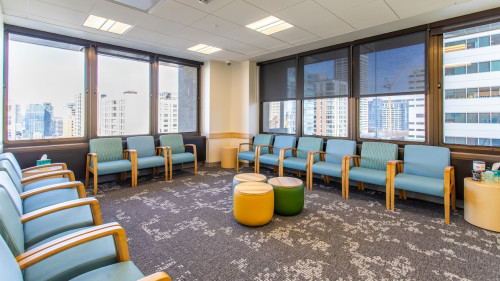
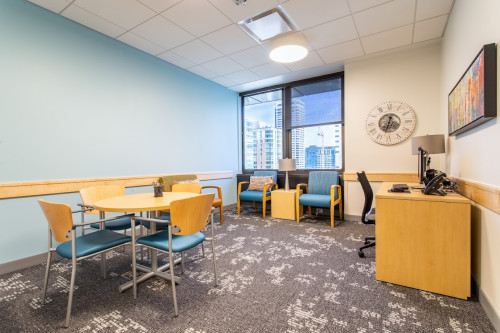

Pathlight Mood & Anxiety Seattle - Boren Ave
Verified Center
This provider's information has been quality-checked by Recovery.com's Research Team for accuracy and completeness, including center verification through appropriate third-party organizations.
Treatment Focus
This center treats mental health conditions and co-occurring substance use. You receive collaborative, individualized treatment that addresses both issues for whole-person healing.
Primary Level of Care
Outpatient treatment offers flexible therapeutic and medical care without the need to stay overnight in a hospital or inpatient facility. Some centers offer intensive outpatient program (IOP), which falls between inpatient care and traditional outpatient service.
Treatment Focus
This center treats mental health conditions and co-occurring substance use. You receive collaborative, individualized treatment that addresses both issues for whole-person healing.
Primary Level of Care
Outpatient treatment offers flexible therapeutic and medical care without the need to stay overnight in a hospital or inpatient facility. Some centers offer intensive outpatient program (IOP), which falls between inpatient care and traditional outpatient service.
Provider's Policy
To ensure you can pursue recovery, Pathlight Mood and Anxiety Center's dedicated team will work on your behalf by acting as a liaison with your insurance provider, answering your questions, and providing guidance and support every step of the way. Please contact Pathlight Mood and Anxiety Center's admissions team to hear about what your benefits will cover.
Pathlight Mood & Anxiety Seattle - Boren Ave
Pathlight Mood & Anxiety Seattle - Boren Ave
About Pathlight Mood & Anxiety Seattle - Boren Ave
Adults and adolescents who need more than weekly therapy can access structured outpatient mental health treatment at Pathlight Mood & Anxiety Center Seattle - Boren Ave. Their partial hospitalization program (PHP), on-site intensive outpatient program (IOP), and virtual IOP support clients with anxiety, depression, mood, and trauma-related disorders.
Practice Skills with Clinical Support
Pathlight Seattle-Boren provides mindfulness-based care for adults and adolescents, including youth ages 12–18. Treatment can help clients notice patterns in thoughts, emotions, behaviors, and relationships while practicing coping skills, communication, emotional regulation, distress tolerance, and more flexible responses to stress.
Choose On-Site or Virtual Structure
Seattle-Boren offers multiple outpatient formats, including PHP, on-site IOP, and virtual IOP. This gives clients options for different levels of structure without using residential care, whether they need more intensive daytime support or a more flexible outpatient schedule.
Plan for Continuing the Path
Pathlight supports continued care through discharge planning, coping strategies, collaboration with outside providers, and referrals for ongoing support. After treatment, alumni and family members can access follow-up outreach, online resources, community events, and virtual support groups that extend connection beyond PHP or IOP.

Center Overview
Treatment Focus
This center treats mental health conditions and co-occurring substance use. You receive collaborative, individualized treatment that addresses both issues for whole-person healing.
Joint Commission Accredited
The Joint Commission accreditation is a voluntary, objective process that evaluates and accredits healthcare organizations (like treatment centers) based on performance standards designed to improve quality and safety for patients. To be accredited means the treatment center has been found to meet the Commission's standards for quality and safety in patient care.
Insurance Accepted









Recovery.com Verified Listing
Recovery.com verified that the name, location, contact information and license to operate for this treatment provider are valid and up-to-date.
Joint Commission Accredited

Licensed by Washington
Recovery.com is an independent, third-party mental health resource. Verification does not imply endorsement and does not guarantee the quality of treatment services.
Meet Your Care Team

Elizabeth Wassenaar
Regional Medical Director
MS, MD, DFAPA, CEDS-C

Alyssa Aakre
Director of Operational Excellence
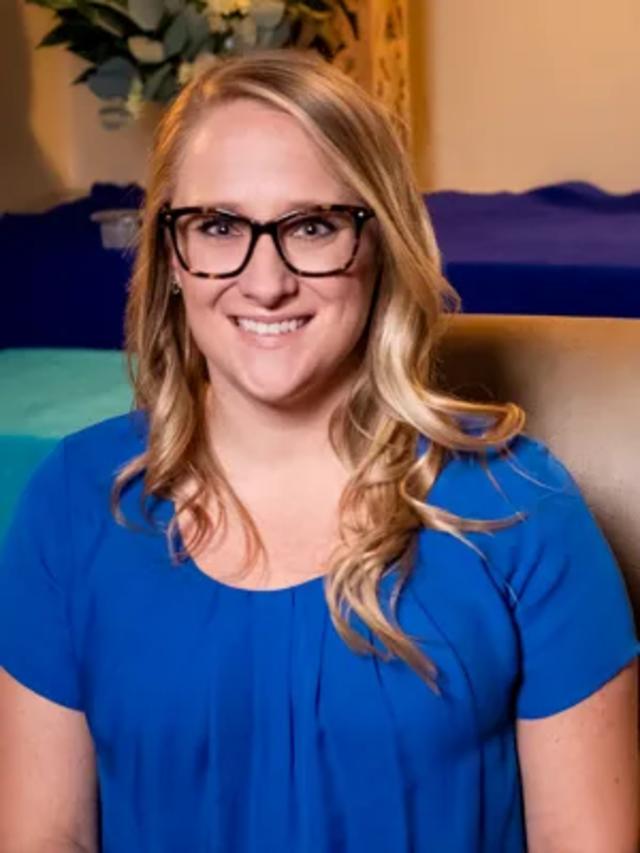
Amy Richards
Regional Nursing Director
RN, BSN

Robert McFerren
Executive Director
LCSW-S

Matthew Pecht
Clinical Director
PsyD

Adam Marion
Regional Vice President
LCSW
Your Care Options
Specializations
Adolescents
Teens receive the treatment they need for mental health disorders and addiction, with the added support of educational and vocational services.
Children
Treatment for children incorporates the psychiatric care they need and education, often led by on-site teachers to keep children on track with school.
Personality Disorders
Personality disorders destabilize the way a person thinks, feels, and behaves. If untreated, they can undermine relationships and lead to severe distress.
Anxiety
Anxiety is a common mental health condition that can include excessive worry, panic attacks, physical tension, and increased blood pressure.
Depression
Symptoms of depression may include fatigue, a sense of numbness, and loss of interest in activities. This condition can range from mild to severe.
Who We Treat
Adolescents
Teens receive the treatment they need for mental health disorders and addiction, with the added support of educational and vocational services.
Children
Treatment for children incorporates the psychiatric care they need and education, often led by on-site teachers to keep children on track with school.
Young Adults
Emerging adults ages 18-25 receive treatment catered to the unique challenges of early adulthood, like college, risky behaviors, and vocational struggles.
LGBTQ+
Addiction and mental illnesses in the LGBTQ+ community must be treated with an affirming, safe, and relevant approach, which many centers provide.
Men and Women
Men and women attend treatment for addiction in a co-ed setting, going to therapy groups together to share experiences, struggles, and successes.
Treatment Services
Day Treatment
Also commonly called PHP, patients may live at home or in a recovery residence while following an intensive treatment program. Most have a weekly schedule of M–F and 4 to 6 hours per day.
Intensive Outpatient Program
In an IOP, patients live at home or a sober living, but attend treatment typically 9-15 hours a week. Most programs include talk therapy, support groups, and other methods.
Outpatient
During outpatient rehab, patients attend a structured treatment program while continuing to live at home.
Outpatient Therapy
Outpatient therapy offers scheduled counseling and treatment sessions without requiring an overnight stay or residential care.
Virtual
Virtual services deliver therapy, counseling, or recovery support remotely through secure online platforms and telehealth technology.
Approaches
Evidence-Based
A combination of scientifically rooted therapies and treatments make up evidence-based care, defined by their measured and proven results.
Family Involvement
Providers involve family in the treatment of their loved one through family therapy, visits, or both–because addiction is a family disease.
Individual Treatment
Individual care meets the needs of each patient, using personalized treatment to provide them the most relevant care and greatest chance of success.
Therapies
1-on-1 Counseling
Patient and therapist meet 1-on-1 to work through difficult emotions and behavioral challenges in a personal, private setting.
Acceptance and Commitment Therapy (ACT)
This cognitive behavioral therapy teaches patients to accept challenging feelings and make the appropriate changes to reach personal goals.
Cognitive Behavioral Therapy
Cognitive Behavioral Therapy helps people identify and change unhelpful thought patterns and behaviors that contribute to emotional distress.
Dialectical Behavior Therapy
Dialectical Behavior Therapy teaches skills for managing emotions, improving relationships, tolerating distress, and increasing mindfulness.
Family Therapy
Family therapy addresses group dynamics within a family system, with a focus on improving communication and interrupting unhealthy relationship patterns.
Group Therapy
Group therapy brings people together in a supportive setting to share experiences, develop skills, and work toward common goals.
Interpersonal Therapy
Interpersonal therapy focuses on improving relationships, communication, and social functioning to support mental health and emotional well-being.
Mindfulness-Based Cognitive Therapy
MBCT combines mindfulness practices—like meditation—with cognitive therapy techniques to help patients work through negative thought patterns.
Languages
Conditions We Treat
Anxiety
Anxiety is a common mental health condition that can include excessive worry, panic attacks, physical tension, and increased blood pressure.
Bipolar
This mental health condition is characterized by extreme mood swings between depression, mania, and remission.
Depression
Symptoms of depression may include fatigue, a sense of numbness, and loss of interest in activities. This condition can range from mild to severe.
Grief and Loss
Grief is a natural reaction to loss, but severe grief can interfere with your ability to function. You can get treatment for this condition.
Narcissism
Narcissism involves an inflated sense of self-importance and a strong need for admiration. Severe traits may affect relationships and emotional functioning.
Obsessive Compulsive Disorder (OCD)
OCD is characterized by intrusive and distressing thoughts that drive repetitive behaviors. This pattern disrupts daily life and relationships.
Personality Disorders
Personality disorders destabilize the way a person thinks, feels, and behaves. If untreated, they can undermine relationships and lead to severe distress.
Post Traumatic Stress Disorder
PTSD is a long-term mental health issue caused by a disturbing event or events. Symptoms include anxiety, dissociation, flashbacks, and intrusive thoughts.
Self-Harm
The act of intentionally harming oneself, also called self-injury, is associated with mental health issues like depression.
Substances We Treat
Co-Occurring Disorders
A person with multiple mental health diagnoses, such as addiction and depression, has co-occurring disorders also called dual diagnosis.
Care Designed for Your Needs
Personal Amenities
Learn More About the Center
Family and Caregiver Resources
Explore education and support resources for loved ones involved in treatment.
Pathlight Orientation
Learn what families can expect before and during Pathlight treatment.
Virtual Family Education
Join free education sessions for families supporting a loved one in treatment.
Alumni and Aftercare Support
Learn how outreach, events, and support groups extend care after discharge.