Find Treatment By
Rehabs by Location


Find Treatment By
Learn
About Us
Recovery.com combines independent research with expert guidance on addiction and mental health treatment. Our mission is to help everyone find the best path to recovery through the most comprehensive, helpful network of treatment providers worldwide.
Advisory Council
Our advisory council brings together leaders in behavioral health, technology, and business. Their diverse expertise ensures our resources and product are innovative, evidence-based, and effective. They guide our mission as accomplished individuals dedicated to improving the landscape of addiction recovery and mental wellness.
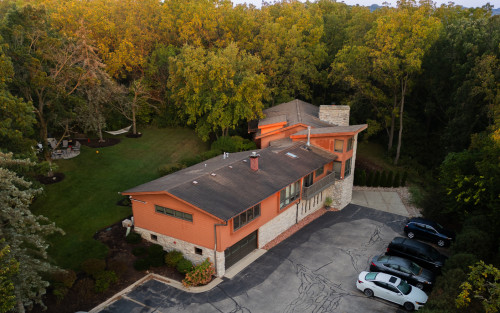
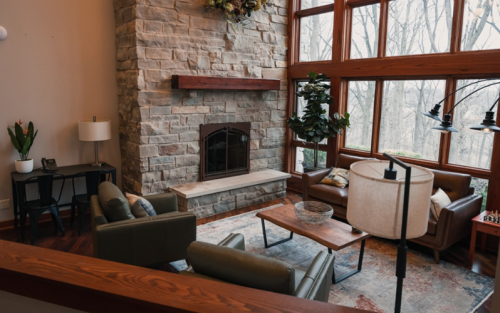

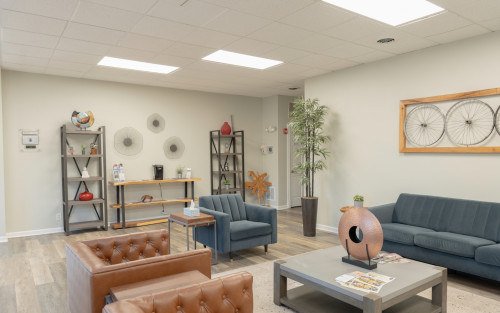

Northern Illinois Recovery Center
Verified Center
This provider's information has been quality-checked by Recovery.com's Research Team for accuracy and completeness, including center verification through appropriate third-party organizations.
Treatment Focus
This center treats substance use disorders and co-occurring mental health conditions. Your treatment plan addresses each condition at once with personalized, compassionate care for comprehensive healing.
Primary Level of Care
Outpatient treatment offers flexible therapeutic and medical care without the need to stay overnight in a hospital or inpatient facility. Some centers offer intensive outpatient program (IOP), which falls between inpatient care and traditional outpatient service.
Treatment Focus
This center treats substance use disorders and co-occurring mental health conditions. Your treatment plan addresses each condition at once with personalized, compassionate care for comprehensive healing.
Primary Level of Care
Outpatient treatment offers flexible therapeutic and medical care without the need to stay overnight in a hospital or inpatient facility. Some centers offer intensive outpatient program (IOP), which falls between inpatient care and traditional outpatient service.
Provider's Policy
Northern Illinois Recovery Center was built on the idea of making high quality care both accessible and affordable. Part of doing this is ensuring that as many people a possible can get treated at our center. In order to do this, we work with a variety of insurance companies to negotiate the best treatment options for you. We have relationships with a number of top insurance companies.
Northern Illinois Recovery Center
Northern Illinois Recovery Center
About Northern Illinois Recovery Center
Northern Illinois Recovery Center delivers life-changing treatment to individuals facing substance use disorders and co-occurring mental health issues. With services ranging from detoxification and residential care to outpatient programs, each treatment plan is personalized to meet the unique needs of every client. Currently, Northern Illinois is only able to accept clients for outpatient levels of care, with evening options available. Their comprehensive offerings also include an intensive outpatient program (IOP) for teens, specifically designed to support adolescents struggling with substance use and mental health challenges, providing age-appropriate therapy in a flexible, supportive environment. Their approach emphasizes long-term sobriety and holistic healing, equipping clients of all ages with the tools for sustained recovery.
Specialized Dual Diagnosis Treatment
The center excels in dual-diagnosis care, addressing both addiction and underlying mental health conditions like anxiety, depression, and trauma. Using a blend of evidence-based therapies, including cognitive behavioral therapy (CBT) and motivational interviewing, Northern Illinois Recovery Center delves deep into the root causes of clients' struggles, offering a comprehensive and integrated approach to healing, where no aspect of their well-being is overlooked. This method empowers clients to achieve lasting recovery.
Family-Centered Approach to Healing
Recognizing the crucial role of family in recovery, Northern Illinois Recovery places strong emphasis on family involvement throughout the treatment process. Their robust family program educates and supports loved ones, focusing on improving communication, rebuilding trust, and resolving conflicts. Regular family therapy sessions and educational workshops help navigate the complexities of addiction, ensuring that clients have a solid support network during and after treatment. This approach not only benefits the client in recovery but also promotes healing within the entire family.
Personalized Aftercare for Lasting Success
Northern Illinois Recovery Center is committed to clients' long-term success through personalized aftercare planning. After primary treatment, clients collaborate with their treatment team to develop a tailored aftercare plan, which can include ongoing therapy, 12-Step support group implementation, and sober living arrangements. This proactive approach allows a smooth transition back into daily life while maintaining the progress made during treatment. With a strong focus on aftercare, the center equips clients with the resources and support to navigate post-treatment life and sustain their recovery journey.
Highlights from the Center
Highlights
These highlights are provided by and paid for by the center.
1-on-1 Counseling
Customized Treatment Plans
Addiction Recovery
Center Overview
Treatment Focus
This center treats substance use disorders and co-occurring mental health conditions. Your treatment plan addresses each condition at once with personalized, compassionate care for comprehensive healing.
Joint Commission Accredited
The Joint Commission accreditation is a voluntary, objective process that evaluates and accredits healthcare organizations (like treatment centers) based on performance standards designed to improve quality and safety for patients. To be accredited means the treatment center has been found to meet the Commission's standards for quality and safety in patient care.
Recently helped 2 people via Recovery.com

Insurance Accepted




Cash Pay Rates
Estimated Cash Pay Rate
Center pricing can vary based on program and length of stay. Contact the center for more information. Recovery.com strives for price transparency so you can make an informed decision.


Recovery.com Verified Listing
Recovery.com verified that the name, location, contact information and license to operate for this treatment provider are valid and up-to-date.
Joint Commission Accredited

Licensed by Illinois

NAATP Member
Recovery.com is an independent, third-party mental health resource. Verification does not imply endorsement and does not guarantee the quality of treatment services.
Meet Your Care Team

Caitlyn McClure
VP of Clinical Services
DSW, LCSW

Dr. Beth Dunlap
Medical Director, Licensed Physician, and Surgeon
M.D.

Derek Hilburger
Clinical Supervisor
LCSW, ICDVP
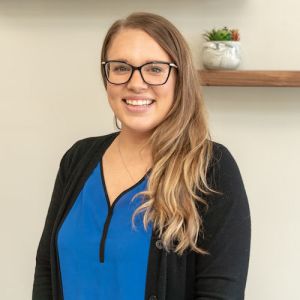
Erika Heatley
Clinical Supervisor
LCSW, CADC

Erin Fowler, LCSW, CADC
Primary Therapist

Noreen Garmisch
Primary Therapist
LPC

Tess Goldberger
Primary Therapist
LSW, CADC

Michael Conway
Primary Therapist
LSW, CADC

Willow Villalobos
Primary Therapist
LSW, CADC

Tiffany Luri
Outpatient Case Manager

Evan Joyce
Primary Residential Therapist
CADC
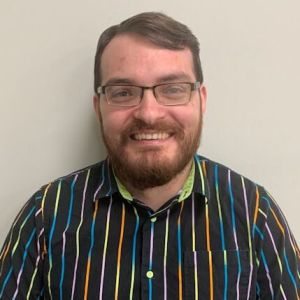
Besnik Vukaj
Primary Residential Therapist
LPC

Holly Magdalin
Group Therapist
LCPC

Shira Greenfield
Group Therapist
LCPC

Sandra McClain
Group Therapist
LCSW

Kirsten Jefferson
Support Clinician
CADC

Corin Denington
Lead Student Assistance Program (SAP) Coordinator

Carmen Martin Zima
SAP Coordinator
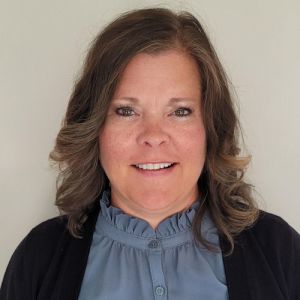
Erin Deluga
SAP Coordinator
RCP

Nick Howell
CEO

Jesse Cervantes
VP of Operations

Nick Villicana
Director of Admissions

Rev. Bill Orris
Chaplain & Community Outreach Coordinator
M.Div.
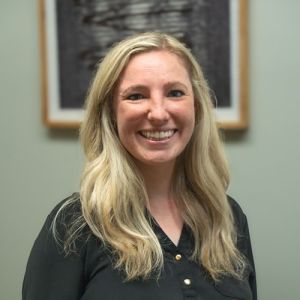
Corinne Broadus
Community Outreach Coordinator
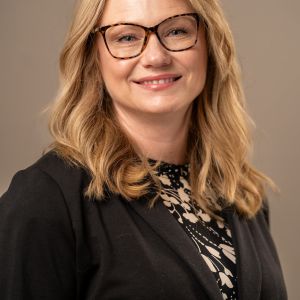
Bernadette Tomczak
Director of Nursing
BSN, RN
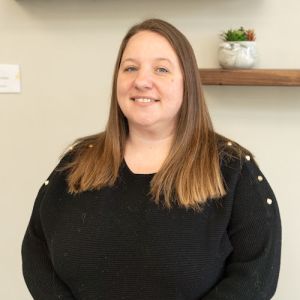
Dana Karels
Outpatient Operations Manager

John Galloway
Inpatient Operations Manager
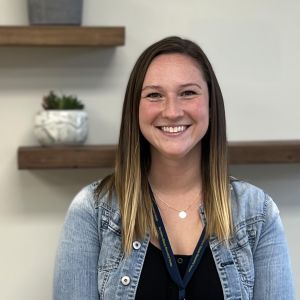
Emily Stuckey
Adolescent Therapist
LSW
Your Care Options
Specializations
Alcohol
Using alcohol as a coping mechanism, or drinking excessively throughout the week, signals an alcohol use disorder.
Co-Occurring Disorders
A person with multiple mental health diagnoses, such as addiction and depression, has co-occurring disorders also called dual diagnosis.
Cocaine
Cocaine is a stimulant with euphoric effects. Agitation, muscle ticks, psychosis, and heart issues are common symptoms of cocaine abuse.
Heroin
Heroin is a highly addictive and illegal opioid. It can cause insomnia, collapsed veins, heart issues, and additional mental health issues.
Opioids
Opioids produce pain-relief and euphoria, which can lead to addiction. This class of drugs includes prescribed medication and the illegal drug heroin.
Outpatient
During outpatient rehab, patients attend a structured treatment program while continuing to live at home.
Prescription Drugs
It's possible to abuse any drug, even prescribed ones. If you crave a medication, or regularly take it more than directed, you may have an addiction.
Who We Treat
Older Adults
Addiction and mental health treatment caters to adults 55+ and the age-specific challenges that can come with recovery, wellness, and overall happiness.
Adolescents
Teens receive the treatment they need for mental health disorders and addiction, with the added support of educational and vocational services.
Young Adults
Emerging adults ages 18-25 receive treatment catered to the unique challenges of early adulthood, like college, risky behaviors, and vocational struggles.
LGBTQ+
Addiction and mental illnesses in the LGBTQ+ community must be treated with an affirming, safe, and relevant approach, which many centers provide.
Midlife Adults
For adults ages 40+, treatment shifts to focus on the unique challenges, blocks, and risk factors of their age group, and unites peers in a similar community.
Professionals
Busy, high-ranking professionals get the personalized treatment they need with greater accommodations for work, privacy, and outside communication.
Veterans
Patients who completed active military duty receive specialized treatment focused on trauma, grief, loss, and finding a new work-life balance.
Treatment Services
Day Treatment
In a PHP, patients live at home but follow an intensive schedule of treatment. Most programs require you to be on-site for about 40 hours per week.
Intensive Outpatient Program
In an IOP, patients live at home or a sober living, but attend treatment typically 9-15 hours a week. Most programs include talk therapy, support groups, and other methods.
Outpatient
During outpatient rehab, patients attend a structured treatment program while continuing to live at home.
Approaches
Evidence-Based
A combination of scientifically rooted therapies and treatments make up evidence-based care, defined by their measured and proven results.
Holistic
A non-medicinal, wellness-focused approach that aims to align the mind, body, and spirit for deep and lasting healing.
Individual Treatment
Individual care meets the needs of each patient, using personalized treatment to provide them the most relevant care and greatest chance of success.
Therapies
1-on-1 Counseling
Patient and therapist meet 1-on-1 to work through difficult emotions and behavioral challenges in a personal, private setting.
Experiential Therapy
With this approach, patients heal by doing. Therapists help patients process difficult emotions to speak, using guided activities like art or dance.
Family Therapy
Family therapy addresses group dynamics within a family system, with a focus on improving communication and interrupting unhealthy relationship patterns.
Massage Therapy
Massage therapy relieves physical and emotional tension, reduces pain, promotes relaxation, and improves emotion regulation.
Medication-Assisted Treatment
Combined with behavioral therapy, prescribed medications can enhance treatment by relieving withdrawal symptoms and focus patients on their recovery.
Languages
Conditions We Treat
ADHD, ADD
ADHD is a common mental health condition caused by dopamine imbalance. Common symptoms include inattention, hyperactivitiy, and impulsivity.
Anger
Although anger itself isn't a disorder, it can get out of hand. If this feeling interferes with your relationships and daily functioning, treatment can help.
Anxiety
Anxiety is a common mental health condition that can include excessive worry, panic attacks, physical tension, and increased blood pressure.
Bipolar
This mental health condition is characterized by extreme mood swings between depression, mania, and remission.
Burnout
Burnout entails mental and physical exhaustion, and leads to a severe lack of fulfillment. This condition is often caused by overwork.
Codependency
Codependency is a pattern of emotional dependence and controlling behavior. It's most common among people with addicted loved ones.
Depression
Symptoms of depression may include fatigue, a sense of numbness, and loss of interest in activities. This condition can range from mild to severe.
Grief and Loss
Grief is a natural reaction to loss, but severe grief can interfere with your ability to function. You can get treatment for this condition.
Obsessive Compulsive Disorder (OCD)
OCD is characterized by intrusive and distressing thoughts that drive repetitive behaviors. This pattern disrupts daily life and relationships.
Substances We Treat
Alcohol
Using alcohol as a coping mechanism, or drinking excessively throughout the week, signals an alcohol use disorder.
Benzodiazepines
Benzodiazepines are prescribed to treat anxiety and sleep issues. They are highly habit forming, and their abuse can cause mood changes and poor judgement.
Chronic Relapse
Consistent relapse occurs repeatedly, after partial recovery from addiction. This condition requires long-term treatment.
Co-Occurring Disorders
A person with multiple mental health diagnoses, such as addiction and depression, has co-occurring disorders also called dual diagnosis.
Cocaine
Cocaine is a stimulant with euphoric effects. Agitation, muscle ticks, psychosis, and heart issues are common symptoms of cocaine abuse.
Drug Addiction
Drug addiction is the excessive and repetitive use of substances, despite harmful consequences to a person's life, health, and relationships.
Ecstasy
Ecstasy is a stimulant that causes intense euphoria and heightened awareness. Abuse of this drug can trigger depression, insomnia, and memory problems.
Heroin
Heroin is a highly addictive and illegal opioid. It can cause insomnia, collapsed veins, heart issues, and additional mental health issues.
Aftercare
Care Designed for Your Needs
Personal Amenities
Amenities
Special Considerations
Gender-specific groups
Patients in gender-specific groups gain the opportunity to discuss challenges unique to their gender in a comfortable, safe setting conducive to healing.
Activities
Yoga
Yoga is both a physical and spiritual practice. It includes a flow of movement, breathing techniques, and meditation.
Off-Site Activities
Learn More About the Center
Top Treatment Center in the Nation
Read about how Northern Illinois Recovery Center was recognized as one of America’s best addiction treatment centers.
Addiction Treatment FAQ
Learn about what you should know before and after treatment at Northern Illinois Recovery Center.
Teen IOP
Explore what treatment for teenagers looks like at Northern Illinois Recovery Center.
Integrating Medication-Assisted Treatment into Recovery
Discover how MAT can bolster recovery and make withdrawals and cravings easier to manage.