Find Treatment By
Rehabs by Location


Find Treatment By
Learn
About Us
Recovery.com combines independent research with expert guidance on addiction and mental health treatment. Our mission is to help everyone find the best path to recovery through the most comprehensive, helpful network of treatment providers worldwide.
Advisory Council
Our advisory council brings together leaders in behavioral health, technology, and business. Their diverse expertise ensures our resources and product are innovative, evidence-based, and effective. They guide our mission as accomplished individuals dedicated to improving the landscape of addiction recovery and mental wellness.
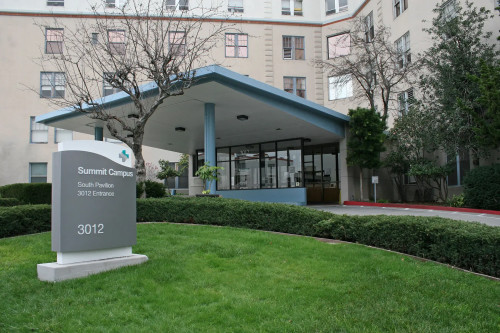
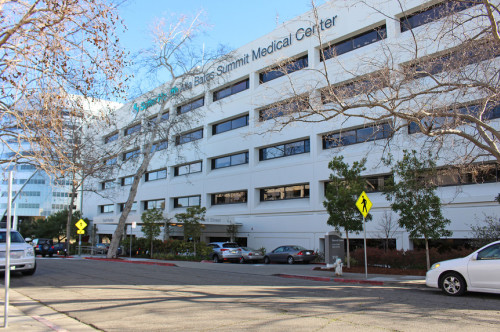
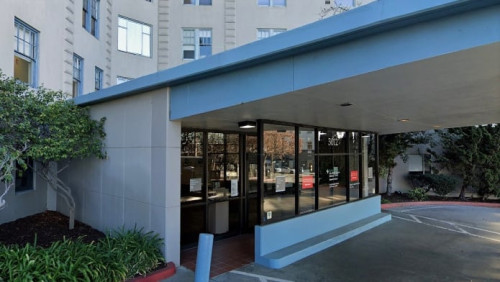
Merritt Peralta Institute Treatment Services
Treatment Focus
This center primarily treats substance use disorders, helping you stabilize, create relapse-prevention plans, and connect to compassionate support.
Primary Level of Care
Provides 24/7 medical supervision and intensive treatment in a clinical setting for individuals in crisis or with acute needs, focusing on stabilization and immediate safety
Claimed
Recovery.com has connected directly with this treatment provider to validate the information in their profile.
Treatment Focus
This center primarily treats substance use disorders, helping you stabilize, create relapse-prevention plans, and connect to compassionate support.
Primary Level of Care
Provides 24/7 medical supervision and intensive treatment in a clinical setting for individuals in crisis or with acute needs, focusing on stabilization and immediate safety
Provider's Policy
Most insurance carriers include access to Sutter.
Merritt Peralta Institute Treatment Services
Merritt Peralta Institute Treatment Services
About Merritt Peralta Institute Treatment Services
Merritt Peralta Institute (MPI) Treatment Services, located in Oakland, specializes in helping individuals overcome substance use disorders. Conveniently located in the Alta Bates Summit Medical Center near I-580 and I-980, the institute is accessible via bus and car. They offer a range of programs tailored to meet each person's unique needs, including:
- Inpatient Detoxification: Provides 24-hour medical supervision to safely manage withdrawal symptoms.
- Inpatient Rehabilitation: Offers a structured environment with intensive therapy and support.
- Day Treatment: Combines the intensity of inpatient care with the flexibility of outpatient treatment, allowing patients to return home in the evenings.
- Outpatient Services: Includes counseling and therapy sessions that accommodate individuals who need flexibility while maintaining their daily responsibilities.
Integrated Substance Use Treatment
MPI takes a comprehensive, medically integrated approach to substance use treatment. As part of Sutter Health's Alta Bates Summit Medical Center, it combines medical supervision, psychiatric care, and evidence-based therapies like cognitive behavioral therapy (CBT), motivational interviewing (MI), and relapse prevention counseling. Patients receive medication-assisted treatment (MAT) when needed, along with life skills training, stress management, and family support. By addressing both medical and emotional needs, MPI equips individuals with the tools for lasting sobriety and long-term success.
Center Overview
Treatment Focus
This center primarily treats substance use disorders, helping you stabilize, create relapse-prevention plans, and connect to compassionate support.
Joint Commission Accredited
The Joint Commission accreditation is a voluntary, objective process that evaluates and accredits healthcare organizations (like treatment centers) based on performance standards designed to improve quality and safety for patients. To be accredited means the treatment center has been found to meet the Commission's standards for quality and safety in patient care.

Insurance Accepted






Pricing and Program Length
Estimated Center Costs
Center pricing can vary based on program and length of stay. Contact the center for more information. Recovery.com strives for price transparency so you can make an informed decision.
Levels of Care


Your Care Options
Specializations
Alcohol
Using alcohol as a coping mechanism, or drinking excessively throughout the week, signals an alcohol use disorder.
Detox
Detox fully and safely removes toxic substances from the body, allowing the next steps in treatment to begin with a clean slate.
Drug Addiction
Drug addiction is the excessive and repetitive use of substances, despite harmful consequences to a person's life, health, and relationships.
Who We Treat
Men and Women
Men and women attend treatment for addiction in a co-ed setting, going to therapy groups together to share experiences, struggles, and successes.
Approaches
Evidence-Based
A combination of scientifically rooted therapies and treatments make up evidence-based care, defined by their measured and proven results.
Individual Treatment
Individual care meets the needs of each patient, using personalized treatment to provide them the most relevant care and greatest chance of success.
Medical
Medical addiction treatment uses approved medications to manage withdrawals and cravings, and to treat contributing mental health conditions.
Therapies
1-on-1 Counseling
Patient and therapist meet 1-on-1 to work through difficult emotions and behavioral challenges in a personal, private setting.
Family Therapy
Family therapy addresses group dynamics within a family system, with a focus on improving communication and interrupting unhealthy relationship patterns.
Life Skills
Teaching life skills like cooking, cleaning, clear communication, and even basic math provides a strong foundation for continued recovery.
Medication-Assisted Treatment
Combined with behavioral therapy, prescribed medications can enhance treatment by relieving withdrawal symptoms and focus patients on their recovery.
Motivational Interviewing
Based on the idea that motivation to change comes from within, providers use a conversational framework to discover personalized methods for change.
Psychoeducation
This method combines treatment with education, teaching patients about different paths toward recovery. This empowers them to make more effective decisions.
Relapse Prevention Counseling
Relapse prevention counselors teach patients to recognize the signs of relapse and reduce their risk.
Languages
Substances We Treat
Alcohol
Using alcohol as a coping mechanism, or drinking excessively throughout the week, signals an alcohol use disorder.
Benzodiazepines
Benzodiazepines are prescribed to treat anxiety and sleep issues. They are highly habit forming, and their abuse can cause mood changes and poor judgement.
Cocaine
Cocaine is a stimulant with euphoric effects. Agitation, muscle ticks, psychosis, and heart issues are common symptoms of cocaine abuse.
Drug Addiction
Drug addiction is the excessive and repetitive use of substances, despite harmful consequences to a person's life, health, and relationships.
Ecstasy
Ecstasy is a stimulant that causes intense euphoria and heightened awareness. Abuse of this drug can trigger depression, insomnia, and memory problems.
Heroin
Heroin is a highly addictive and illegal opioid. It can cause insomnia, collapsed veins, heart issues, and additional mental health issues.
Opioids
Opioids produce pain-relief and euphoria, which can lead to addiction. This class of drugs includes prescribed medication and the illegal drug heroin.
Prescription Drugs
It's possible to abuse any drug, even prescribed ones. If you crave a medication, or regularly take it more than directed, you may have an addiction.
Synthetic Drugs
Synthetic drugs are made in a lab, unlike plant-based drugs like mushrooms. Most synthetic drugs are either stimulants or synthetic cannabinoids.
Aftercare
What people are saying
Treatment
2.0
Accommodations
5.0
Food & Nutrition
3.0
Value
3.5
Heather
Reviewed 03/13/15
Review from Rehabs.com