Find Treatment By
Rehabs by Location


Find Treatment By
Learn
About Us
Recovery.com combines independent research with expert guidance on addiction and mental health treatment. Our mission is to help everyone find the best path to recovery through the most comprehensive, helpful network of treatment providers worldwide.
Advisory Council
Our advisory council brings together leaders in behavioral health, technology, and business. Their diverse expertise ensures our resources and product are innovative, evidence-based, and effective. They guide our mission as accomplished individuals dedicated to improving the landscape of addiction recovery and mental wellness.




The Menninger Clinic
Verified Center
This provider's information has been quality-checked by Recovery.com's Research Team for accuracy and completeness, including center verification through appropriate third-party organizations.
Treatment Focus
This center treats substance use disorders and mental health conditions. You'll receive individualized care catered to your unique situation and diagnosis, learn practical skills for recovery, and make new connections in a restorative environment.
Primary Level of Care
Provides 24/7 medical supervision and intensive treatment in a clinical setting for individuals in crisis or with acute needs, focusing on stabilization and immediate safety
Treatment Focus
This center treats substance use disorders and mental health conditions. You'll receive individualized care catered to your unique situation and diagnosis, learn practical skills for recovery, and make new connections in a restorative environment.
Primary Level of Care
Provides 24/7 medical supervision and intensive treatment in a clinical setting for individuals in crisis or with acute needs, focusing on stabilization and immediate safety
Provider's Policy
Menninger is in network with ComPsych, Cigna for some services and Aetna for most adolescent services; however, most patient care is self-pay. Our Utilization Review professionals will gladly support individuals who are admitted, or their guarantors, to collect any out-of-network reimbursement.
The Menninger Clinic
The Menninger Clinic
About The Menninger Clinic
The Menninger Clinic specializes in comprehensive, interdisciplinary assessments, inpatient and outpatient care, and addressing the needs of professionals, young adults, and children. They treat a variety of mental health disorders, personality disorders, substance and process addictions, and eating disorders. Using a biopsychosocial model, The Menninger Clinic helps each client through the recovery process.
Expert, Multidisciplinary Team
Physician-led treatment teams partner with each client to identify core issues and plot the best course of treatment. Clients receive the expertise of a multidisciplinary team, made up of a psychiatrist, psychologist, social worker, counselors, nurses, addiction treatment professionals, and eating disorder treatment professionals, as needed. Menninger’s on-unit staff share high experience and a dedication to recovery—medically, psychologically, interpersonally, and spiritually. A focus on longer stay times and a low client-to-staff ratio helps every client get the personalized and thorough care they need for lasting success.
Whole-Person Healing
Comprehensive care is readily available at The Menninger Clinic. Sleep medicine, care for suicidality and self harm, brain stimulation therapy, and ongoing assessments help each client receive the treatments and therapies they uniquely need. Family and loved ones can visit each day of the week, with visiting hours to accommodate and encourage frequent visits from approved family and friends. The Menninger Clinic also helps professionals get the care they need with a specialized professionals program.
Full Continuum of Care
Menninger continues to expand its continuum of services to provide the right level of care for each client. Outpatient therapy, medication management, and comprehensive assessments are available for all ages. Their Pathfinder community integration program offers intensive day treatment and rehabilitative support along with mentored apartment living. Menninger 360 is the first private program for assertive community treatment (PACT) in Texas, offering 360-degree wraparound support in treatment and rehabilitation for adolescents and adults. Menninger is also LegitScript certified.

Center Overview
Treatment Focus
This center treats substance use disorders and mental health conditions. You'll receive individualized care catered to your unique situation and diagnosis, learn practical skills for recovery, and make new connections in a restorative environment.
Joint Commission Accredited
The Joint Commission accreditation is a voluntary, objective process that evaluates and accredits healthcare organizations (like treatment centers) based on performance standards designed to improve quality and safety for patients. To be accredited means the treatment center has been found to meet the Commission's standards for quality and safety in patient care.

Insurance Accepted



Cash Pay Rates
Estimated Cash Pay Rate
Center pricing can vary based on program and length of stay. Contact the center for more information. Recovery.com strives for price transparency so you can make an informed decision.
Luxury rehab centers offer a unique blend of luxurious amenities and high-quality treatment. From private suites to gourmet dining, personal trainers to spa treatments, these facilities provide a high level of comfort and discretion.
Top 50 Rehabs in the World
Meet Your Care Team

Sonia Roschelli
Director of Addictions and Recovery Services
LCSW-S, LCDC

Daryl I. Shorter
Medical Director, Addictions Services
MD

Gordon Meltzer
Peer Recovery Specialist
CPRS, CPS, ICPR

Nevil Patel
Peer Recovery Specialist
CPRSS

Valerie Fayle
Peer Recovery Specialist
JD, CPRS

Amber Lotsi
Case Manager
LMSW

Hayley Citro
Addictions Counselor
LPC, LCDC

Jen Clement
Clinical Program Manager, Pathfinder
LPC, LCDC

Wendy Jamison
Addictions Counselor
LPC, LCDC

Dalanna Burris
Behavioral Addictions Specialist
LPC, LCDC, CSAT

Torresy Smith
Addictions Counselor
LPC, LCDC-I

Kelly Truong
Staff Psychiatrist
MD

Diane M. Benefiel
Addictions Counselor
MSW, LCSW
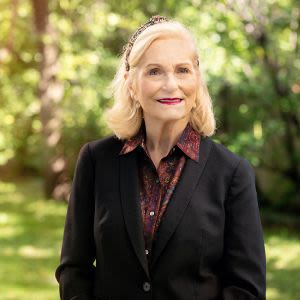
Mary Donna Noack
Staff Clinician
MA, LCDC, LPC

Leonard Keesee
Associate Addictions Counselor
RN, LCDC, NCAC II


Levels of Care


Your Care Options
Specializations
Personality Disorders
Personality disorders destabilize the way a person thinks, feels, and behaves. If untreated, they can undermine relationships and lead to severe distress.
Anxiety
Anxiety is a common mental health condition that can include excessive worry, panic attacks, physical tension, and increased blood pressure.
Drug Addiction
Drug addiction is the excessive and repetitive use of substances, despite harmful consequences to a person's life, health, and relationships.
Individual Treatment
Individual care meets the needs of each patient, using personalized treatment to provide them the most relevant care and greatest chance of success.
Trauma
Some traumatic events are so disturbing that they cause long-term mental health problems. Those ongoing issues can also be referred to as "trauma."
Who We Treat
Adolescents
Teens receive the treatment they need for mental health disorders and addiction, with the added support of educational and vocational services.
Children
Treatment for children incorporates the psychiatric care they need and education, often led by on-site teachers to keep children on track with school.
Approaches
Evidence-Based
A combination of scientifically rooted therapies and treatments make up evidence-based care, defined by their measured and proven results.
Holistic
A non-medicinal, wellness-focused approach that aims to align the mind, body, and spirit for deep and lasting healing.
Personalized Treatment
The specific needs, histories, and conditions of individual patients receive personalized, highly relevant care throughout their recovery journey.
Therapies
1-on-1 Counseling
Patient and therapist meet 1-on-1 to work through difficult emotions and behavioral challenges in a personal, private setting.
Acceptance and Commitment Therapy (ACT)
This cognitive behavioral therapy teaches patients to accept challenging feelings and make the appropriate changes to reach personal goals.
Canine Therapy
Friendly dogs provide a pleasant therapeutic experience, helping patients who've experienced trauma or separations build social and communication skills.
Family Therapy
Family therapy addresses group dynamics within a family system, with a focus on improving communication and interrupting unhealthy relationship patterns.
Medication-Assisted Treatment
Combined with behavioral therapy, prescribed medications can enhance treatment by relieving withdrawal symptoms and focus patients on their recovery.
Meditation & Mindfulness
A practiced state of mind that brings patients to the present. It allows them to become fully aware of themselves, their feelings, and the present moment.
Mindfulness-Based Cognitive Therapy
MBCT combines mindfulness practices—like meditation—with cognitive therapy techniques to help patients work through negative thought patterns.
Languages
Conditions We Treat
ADHD, ADD
ADHD is a common mental health condition caused by dopamine imbalance. Common symptoms include inattention, hyperactivitiy, and impulsivity.
Anxiety
Anxiety is a common mental health condition that can include excessive worry, panic attacks, physical tension, and increased blood pressure.
Bipolar
This mental health condition is characterized by extreme mood swings between depression, mania, and remission.
Burnout
Burnout entails mental and physical exhaustion, and leads to a severe lack of fulfillment. This condition is often caused by overwork.
Depression
Symptoms of depression may include fatigue, a sense of numbness, and loss of interest in activities. This condition can range from mild to severe.
Eating Disorders
An eating disorder is a long-term pattern of unhealthy behavior relating to food. Most people with eating disorders have a distorted self-image.
Gambling
Excessive, repetitive gambling causes financial and interpersonal problems. This addiction can interfere with work, friendships, and familial relationships.
Gaming
Compulsive gaming is most often a problem for children and teens. The disorder can affect physical health, sleep, and the ability to focus at school.
Internet Addiction
Internet addiction is common among children teens. This compulsive disorder can damage relationships, school performance, sleep habits, and physical health.
Substances We Treat
Alcohol
Using alcohol as a coping mechanism, or drinking excessively throughout the week, signals an alcohol use disorder.
Benzodiazepines
Benzodiazepines are prescribed to treat anxiety and sleep issues. They are highly habit forming, and their abuse can cause mood changes and poor judgement.
Co-Occurring Disorders
A person with multiple mental health diagnoses, such as addiction and depression, has co-occurring disorders also called dual diagnosis.
Cocaine
Cocaine is a stimulant with euphoric effects. Agitation, muscle ticks, psychosis, and heart issues are common symptoms of cocaine abuse.
Drug Addiction
Drug addiction is the excessive and repetitive use of substances, despite harmful consequences to a person's life, health, and relationships.
Ecstasy
Ecstasy is a stimulant that causes intense euphoria and heightened awareness. Abuse of this drug can trigger depression, insomnia, and memory problems.
Heroin
Heroin is a highly addictive and illegal opioid. It can cause insomnia, collapsed veins, heart issues, and additional mental health issues.
Methamphetamine
Methamphetamine, or meth, increases energy, agitation, and paranoia. Long-term use can result in severe physical and mental health issues.
Aftercare
Care Designed for Your Needs
Personal Amenities
Amenities
Special Considerations
Healthy Meals are provided
Great food meets great treatment, with providers serving healthy meals to restore nutrition, wellbeing, and health.
Young Adults Program
Programs for young adults bring teens 18+ together to discuss age-specific challenges, vocational and educational progress, and successes in treatment.
Executive Program
Addiction and mental health treatment for executives typically involves high discretion, greater technology access, and more private, 1-on-1 care.
Activities
Off-Site Activities
What people are saying
Treatment
3.1
Accommodations
3.9
Food & Nutrition
3.7
Value
3.6
j
Reviewed 09/27/19
Review from Rehabs.com
NS
Reviewed 10/01/20
Review from Rehabs.com
Rick
Reviewed 01/30/19
Review from Rehabs.com
BB
Reviewed 06/28/18
Review from Rehabs.com
DS
Reviewed 10/16/17
Review from Rehabs.com