Find Treatment By
Rehabs by Location


Find Treatment By
Learn
About Us
Recovery.com combines independent research with expert guidance on addiction and mental health treatment. Our mission is to help everyone find the best path to recovery through the most comprehensive, helpful network of treatment providers worldwide.
Advisory Council
Our advisory council brings together leaders in behavioral health, technology, and business. Their diverse expertise ensures our resources and product are innovative, evidence-based, and effective. They guide our mission as accomplished individuals dedicated to improving the landscape of addiction recovery and mental wellness.
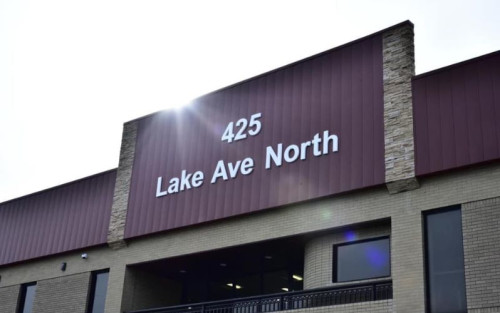
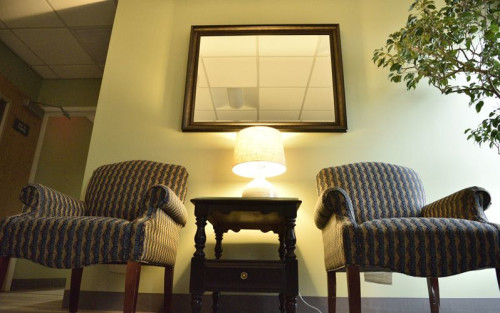
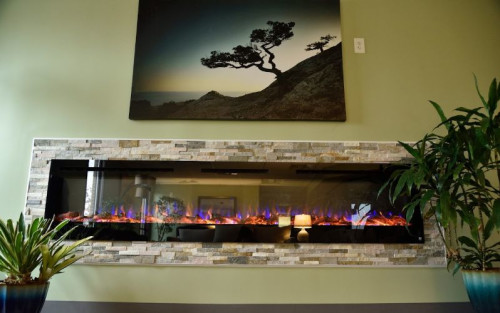
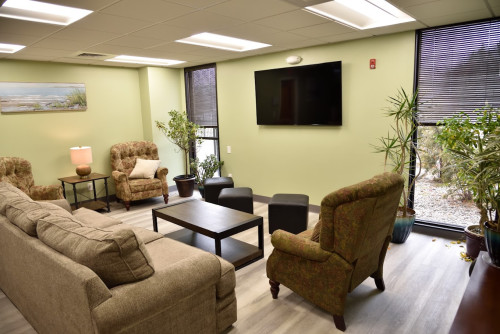
Lake Avenue Recovery
Treatment Focus
This center treats substance use disorders and co-occurring mental health conditions. Your treatment plan addresses each condition at once with personalized, compassionate care for comprehensive healing.
Primary Level of Care
Outpatient treatment offers flexible therapeutic and medical care without the need to stay overnight in a hospital or inpatient facility. Some centers offer intensive outpatient program (IOP), which falls between inpatient care and traditional outpatient service.
This provider hasn't verified their profile's information. Are you the owner of this center? Claim your listing to better manage your presence on Recovery.com.
Treatment Focus
This center treats substance use disorders and co-occurring mental health conditions. Your treatment plan addresses each condition at once with personalized, compassionate care for comprehensive healing.
Primary Level of Care
Outpatient treatment offers flexible therapeutic and medical care without the need to stay overnight in a hospital or inpatient facility. Some centers offer intensive outpatient program (IOP), which falls between inpatient care and traditional outpatient service.
Provider's Policy
Lake Avenue Recovery will work with you and your insurance provider to determine the best treatment options to fit your needs. We accept private insurance providers and provide free insurance verification upon consultation.
Lake Avenue Recovery
Lake Avenue Recovery
About Lake Avenue Recovery
Lake Avenue Recovery is an outpatient program treating addiction and co-occurring mental health disorders in Worcester, Massachusetts. Their continuum of care includes a partial hospitalization program (PHP), an intensive outpatient program (IOP), and an outpatient program. Lake Avenue’s treatment approach is rooted in the characteristics of compassion, understanding, respect, and empathy (CURE). With these characteristics in mind, Lake Avenue staff complete a comprehensive intake assessment and create individualized treatment plans based on each client’s needs.
Therapeutic Modalities
Located along the shore of Lake Quinsigamond, Lake Avenue Recovery provides clients with easy access to nature and incorporates outdoor recreational activities into their treatment approach. Included in the program schedule is time for clients to spend time near the lake walking along trains, forest bathing, kayaking, and more. Lake Avenue treatment plans can include therapies such as cognitive-behavioral therapy, rational emotive behavior therapy (REBT), psychoeducation, mindfulness meditation, yoga, acupuncture, reiki, tai chi, and 12-Step programs. At Lake Avenue Recovery, clients receive holistic treatment that meets their recovery needs.

Center Overview
Treatment Focus
This center treats substance use disorders and co-occurring mental health conditions. Your treatment plan addresses each condition at once with personalized, compassionate care for comprehensive healing.
Joint Commission Accredited
The Joint Commission accreditation is a voluntary, objective process that evaluates and accredits healthcare organizations (like treatment centers) based on performance standards designed to improve quality and safety for patients. To be accredited means the treatment center has been found to meet the Commission's standards for quality and safety in patient care.
Insurance Accepted




Cash Pay Rates
Estimated Cash Pay Rate
Center pricing can vary based on program and length of stay. Contact the center for more information. Recovery.com strives for price transparency so you can make an informed decision.
Levels of Care


Your Care Options
Specializations
Alcohol
Using alcohol as a coping mechanism, or drinking excessively throughout the week, signals an alcohol use disorder.
Drug Addiction
Drug addiction is the excessive and repetitive use of substances, despite harmful consequences to a person's life, health, and relationships.
Who We Treat
Men and Women
Men and women attend treatment for addiction in a co-ed setting, going to therapy groups together to share experiences, struggles, and successes.
Approaches
Evidence-Based
A combination of scientifically rooted therapies and treatments make up evidence-based care, defined by their measured and proven results.
Holistic
A non-medicinal, wellness-focused approach that aims to align the mind, body, and spirit for deep and lasting healing.
Individual Treatment
Individual care meets the needs of each patient, using personalized treatment to provide them the most relevant care and greatest chance of success.
Twelve Step
Incorporating spirituality, community, and responsibility, 12-Step philosophies prioritize the guidance of a Higher Power and a continuation of 12-Step practices.
Therapies
1-on-1 Counseling
Patient and therapist meet 1-on-1 to work through difficult emotions and behavioral challenges in a personal, private setting.
Experiential Therapy
With this approach, patients heal by doing. Therapists help patients process difficult emotions to speak, using guided activities like art or dance.
Family Therapy
Family therapy addresses group dynamics within a family system, with a focus on improving communication and interrupting unhealthy relationship patterns.
Interpersonal Therapy
This brief and structured therapy addresses present relationships and improves overall communication at work, home, and other social settings.
Massage Therapy
Massage therapy relieves physical and emotional tension, reduces pain, promotes relaxation, and improves emotion regulation.
Medication-Assisted Treatment
Combined with behavioral therapy, prescribed medications can enhance treatment by relieving withdrawal symptoms and focus patients on their recovery.
Languages
Substances We Treat
Alcohol
Using alcohol as a coping mechanism, or drinking excessively throughout the week, signals an alcohol use disorder.
Benzodiazepines
Benzodiazepines are prescribed to treat anxiety and sleep issues. They are highly habit forming, and their abuse can cause mood changes and poor judgement.
Co-Occurring Disorders
A person with multiple mental health diagnoses, such as addiction and depression, has co-occurring disorders also called dual diagnosis.
Cocaine
Cocaine is a stimulant with euphoric effects. Agitation, muscle ticks, psychosis, and heart issues are common symptoms of cocaine abuse.
Drug Addiction
Drug addiction is the excessive and repetitive use of substances, despite harmful consequences to a person's life, health, and relationships.
Ecstasy
Ecstasy is a stimulant that causes intense euphoria and heightened awareness. Abuse of this drug can trigger depression, insomnia, and memory problems.
Heroin
Heroin is a highly addictive and illegal opioid. It can cause insomnia, collapsed veins, heart issues, and additional mental health issues.
Methamphetamine
Methamphetamine, or meth, increases energy, agitation, and paranoia. Long-term use can result in severe physical and mental health issues.
Care Designed for Your Needs
Special Considerations
Center Pets
Addiction and mental health facilities with pets allow patients to interact with friendly dogs, cats, horses, and in some cases, even dolphins.
Flexible technology policies
Centers with flexible technology policies allow professionals to stay in touch with work and give patients a greater sense of connection and normalcy.
Off-Site Activities
Yoga
Yoga is both a physical and spiritual practice. It includes a flow of movement, breathing techniques, and meditation.