Find Treatment By
Rehabs by Location


Find Treatment By
Learn
About Us
Recovery.com combines independent research with expert guidance on addiction and mental health treatment. Our mission is to help everyone find the best path to recovery through the most comprehensive, helpful network of treatment providers worldwide.
Advisory Council
Our advisory council brings together leaders in behavioral health, technology, and business. Their diverse expertise ensures our resources and product are innovative, evidence-based, and effective. They guide our mission as accomplished individuals dedicated to improving the landscape of addiction recovery and mental wellness.



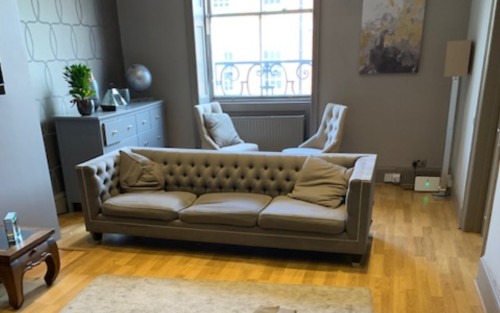
Keysteps Wellbeing Service
Verified Center
This provider's information has been quality-checked by Recovery.com's Research Team for accuracy and completeness, including center verification through appropriate third-party organizations.
Treatment Focus
This center treats substance use disorders and mental health conditions. You'll receive individualized care catered to your unique situation and diagnosis, learn practical skills for recovery, and make new connections in a restorative environment.
Primary Level of Care
Outpatient treatment offers flexible therapeutic and medical care without the need to stay overnight in a hospital or inpatient facility. Some centers offer intensive outpatient program (IOP), which falls between inpatient care and traditional outpatient service.
Treatment Focus
This center treats substance use disorders and mental health conditions. You'll receive individualized care catered to your unique situation and diagnosis, learn practical skills for recovery, and make new connections in a restorative environment.
Primary Level of Care
Outpatient treatment offers flexible therapeutic and medical care without the need to stay overnight in a hospital or inpatient facility. Some centers offer intensive outpatient program (IOP), which falls between inpatient care and traditional outpatient service.
Provider's Policy
Key Steps Wellbeing accepts the following insurance: WPA, Aviva, and Cigna.
Keysteps Wellbeing Service
Keysteps Wellbeing Service
About Keysteps Wellbeing Service
Within the busy and diverse city of London, Keysteps Wellbeing Service offers comprehensive residential and outpatient programs for individuals seeking support for mental well-being and substance use disorders. Their approach integrates evidence-based therapies with holistic treatments, meeting each client where they are at. Keysteps Wellbeing Service can employ the Sinclair Method and can provide drinking reduction programs, which are effective strategies for managing alcohol dependency. Keysteps Wellbeing Service aims to nurture a supportive environment where clients can begin their road to recovery, whether that be improved general well-being, harm reduction, or abstinence.
Client-Centred Programmes
The outpatient programmes at Keysteps Wellbeing Service are tailored to meet each client's unique needs. While their main location is conveniently situated in central London, easily accessible by public transport, they also offer a serene countryside setting for those who prefer a more secluded environment. In addition to their outpatient services, Keysteps also offers residential programs ranging from 28 days to 6 months, accommodating whatever length of stay the client needs. Keysteps arranges transportation to either location, ensuring accessibility for all clients. Their flexible approach includes a combination of individual therapy, group therapy, and family counselling, offered through various formats such as in-person sessions, tele-therapy, walk-and-talk therapy, email/text therapy, or in-home therapy. This versatility allows clients to choose the most comfortable and convenient setting for their healing journey. In addition to behavioral therapies, Keysteps Wellbeing Service provides biochemical restoration, addressing nutritional deficiencies and hormonal imbalances that may contribute to mental health symptoms. By focusing on each individual's specific challenges, goals, and physiological makeup, the programme ensures clients receive the most effective and relevant treatment to aid their recovery, whether through outpatient or residential care.
Integrated Treatment
Keysteps Wellbeing Service employs a range of evidence-based therapies, including Cognitive Behavioral Therapy (CBT) and Dialectical Behavioral Therapy (DBT). These therapies are complemented by holistic treatments such as mindfulness, massage, yoga, and art therapy. This integrated approach addresses both the psychological and physical aspects of addiction and mental health, promoting overall wellness and encouraging true recovery.
Ongoing Support and Aftercare
Keysteps Wellbeing Service strongly emphasises aftercare and ongoing support. Clients receive relapse prevention strategies and are encouraged to participate in ongoing therapy sessions and 12-step support groups. This approach helps ensure that the skills and insights gained during the outpatient program are reinforced, helping clients maintain their progress.

Highlights from the Center
Highlights
These highlights are provided by and paid for by the center.
Bespoke With Exclusive Staff
Holistic Approach
Concierge Approach
Utmost Confidentiality
Center Overview
Treatment Focus
This center treats substance use disorders and mental health conditions. You'll receive individualized care catered to your unique situation and diagnosis, learn practical skills for recovery, and make new connections in a restorative environment.

Insurance Accepted

Cash Pay Rates
Estimated Cash Pay Rate
Center pricing can vary based on program and length of stay. Contact the center for more information. Recovery.com strives for price transparency so you can make an informed decision.
Luxury rehab centers offer a unique blend of luxurious amenities and high-quality treatment. From private suites to gourmet dining, personal trainers to spa treatments, these facilities provide a high level of comfort and discretion.
Top 50 Rehabs in the World
Meet Your Care Team

Dr Michelle O'Sullivan
Trauma Specialist and Chartered Clinical Psychologist
BA, MSc, PsychD, CPsychol

Cristina Preda
Psychotherapist and Addiction Therapist

Sophie Jones
Integrative Arts Psychotherapist
Masters in Integrative Arts Psychotherapy
Angela McCulloch
Humanistic and Psychodynamic Therapeutic Counsellor

Kath Inglot
Psychotherapist
Bachelor's Degree in Social Rehabilitation, Diploma in Addiction Therapy

Huma Lawren
CBT Therapist

Belly Elizabeth Harding
Psychotherapist, Counsellor, Life Coach
MSc in Psychology
Jennifer Cassita Norman
Psychotherapist, Addiction Therapist, Life Coach

Mark Aitchson
Integrative Therapist

Valerie Pecco
Specialist Trauma Therapist

Ici Butcher
Integrative Therapist
Counselling & Psychotherapy Central Awarding Body (CPCAB) Diploma in Therapeutic Counselling

Illona Dagdalianidou
Holistic Nutritionist
MSc in Clinical and Public Health Nutrition: Eating Disorders

Jodana Thomas
Registered Nurse

Dina Hajdini
Psychologist in Doctoral Training and Recovery Coach
BSc in Psychology

Victoria Gomez
Bespoke Wellbeing Chef

Farideh Banafshei
Counsellor/Psychologist
Postgraduate degree in Affective Disorders

Hope Whitman
Fitness Coach

Maria Hernandez
Psychotherapist

Jamie Moody
Wellness Practitioner and Integrative Counsellor

Maria Tallon
Nutritionist
BSc degree in Psychology

Rebekah Webber
Wellbeing Manager & Executive Assistant to Director


Levels of Care


Your Care Options
Specializations
Adolescents
Teens receive the treatment they need for mental health disorders and addiction, with the added support of educational and vocational services.
Alcohol
Using alcohol as a coping mechanism, or drinking excessively throughout the week, signals an alcohol use disorder.
Anxiety
Anxiety is a common mental health condition that can include excessive worry, panic attacks, physical tension, and increased blood pressure.
Burnout
Burnout entails mental and physical exhaustion, and leads to a severe lack of fulfillment. This condition is often caused by overwork.
Depression
Symptoms of depression may include fatigue, a sense of numbness, and loss of interest in activities. This condition can range from mild to severe.
Drug Addiction
Drug addiction is the excessive and repetitive use of substances, despite harmful consequences to a person's life, health, and relationships.
Professionals
Busy, high-ranking professionals get the personalized treatment they need with greater accommodations for work, privacy, and outside communication.
Who We Treat
Older Adults
Addiction and mental health treatment caters to adults 55+ and the age-specific challenges that can come with recovery, wellness, and overall happiness.
Adolescents
Teens receive the treatment they need for mental health disorders and addiction, with the added support of educational and vocational services.
Executives
Executive treatment programs typically directly support the needs of people who manage businesses and may provide flexible schedules and office space to allow work during treatment.
Young Adults
Emerging adults ages 18-25 receive treatment catered to the unique challenges of early adulthood, like college, risky behaviors, and vocational struggles.
Men and Women
Men and women attend treatment for addiction in a co-ed setting, going to therapy groups together to share experiences, struggles, and successes.
Midlife Adults
For adults ages 40+, treatment shifts to focus on the unique challenges, blocks, and risk factors of their age group, and unites peers in a similar community.
Approaches
Bio-Medical
A philosophy focusing on the biomechanics behind mental health disorders, using prescribed medications as a supplement to behavioral therapy.
Evidence-Based
A combination of scientifically rooted therapies and treatments make up evidence-based care, defined by their measured and proven results.
Experiential
Expressive tools and therapies help patients process past situations, learn more about themselves, and find healing through action.
Holistic
A non-medicinal, wellness-focused approach that aims to align the mind, body, and spirit for deep and lasting healing.
Therapies
1-on-1 Counseling
Patient and therapist meet 1-on-1 to work through difficult emotions and behavioral challenges in a personal, private setting.
Couples Counseling
Partners work to improve their communication patterns, using advice from their therapist to better their relationship and make healthy changes.
Family Therapy
Family therapy addresses group dynamics within a family system, with a focus on improving communication and interrupting unhealthy relationship patterns.
Meditation & Mindfulness
A practiced state of mind that brings patients to the present. It allows them to become fully aware of themselves, their feelings, and the present moment.
Languages
Conditions We Treat
ADHD, ADD
ADHD is a common mental health condition caused by dopamine imbalance. Common symptoms include inattention, hyperactivitiy, and impulsivity.
Anxiety
Anxiety is a common mental health condition that can include excessive worry, panic attacks, physical tension, and increased blood pressure.
Bipolar
This mental health condition is characterized by extreme mood swings between depression, mania, and remission.
Burnout
Burnout entails mental and physical exhaustion, and leads to a severe lack of fulfillment. This condition is often caused by overwork.
Depression
Symptoms of depression may include fatigue, a sense of numbness, and loss of interest in activities. This condition can range from mild to severe.
Gaming
Compulsive gaming is most often a problem for children and teens. The disorder can affect physical health, sleep, and the ability to focus at school.
Grief and Loss
Grief is a natural reaction to loss, but severe grief can interfere with your ability to function. You can get treatment for this condition.
Internet Addiction
Internet addiction is common among children teens. This compulsive disorder can damage relationships, school performance, sleep habits, and physical health.
Obsessive Compulsive Disorder (OCD)
OCD is characterized by intrusive and distressing thoughts that drive repetitive behaviors. This pattern disrupts daily life and relationships.
Substances We Treat
Alcohol
Using alcohol as a coping mechanism, or drinking excessively throughout the week, signals an alcohol use disorder.
Chronic Relapse
Consistent relapse occurs repeatedly, after partial recovery from addiction. This condition requires long-term treatment.
Co-Occurring Disorders
A person with multiple mental health diagnoses, such as addiction and depression, has co-occurring disorders also called dual diagnosis.
Cocaine
Cocaine is a stimulant with euphoric effects. Agitation, muscle ticks, psychosis, and heart issues are common symptoms of cocaine abuse.
Drug Addiction
Drug addiction is the excessive and repetitive use of substances, despite harmful consequences to a person's life, health, and relationships.
Methamphetamine
Methamphetamine, or meth, increases energy, agitation, and paranoia. Long-term use can result in severe physical and mental health issues.
Prescription Drugs
It's possible to abuse any drug, even prescribed ones. If you crave a medication, or regularly take it more than directed, you may have an addiction.
Aftercare
Care Designed for Your Needs
Personal Amenities
Amenities
Special Considerations
Clients can bring their own pet(s)
For greater comfort and healing, pet-friendly treatment centers welcome dogs and animal companions to stay with their owners while they attend treatment.
Family Member Stays
Treatment providers welcome family members to stay on-site to better the experience and success of patients and their families as a whole.
Flexible technology policies
Centers with flexible technology policies allow professionals to stay in touch with work and give patients a greater sense of connection and normalcy.
Young Adults Program
Programs for young adults bring teens 18+ together to discuss age-specific challenges, vocational and educational progress, and successes in treatment.