Find Treatment By
Rehabs by Location


Find Treatment By
Learn
About Us
Recovery.com combines independent research with expert guidance on addiction and mental health treatment. Our mission is to help everyone find the best path to recovery through the most comprehensive, helpful network of treatment providers worldwide.
Advisory Council
Our advisory council brings together leaders in behavioral health, technology, and business. Their diverse expertise ensures our resources and product are innovative, evidence-based, and effective. They guide our mission as accomplished individuals dedicated to improving the landscape of addiction recovery and mental wellness.



Holdfast Men's Recovery
Treatment Focus
This center treats substance use disorders and co-occurring mental health conditions. Your treatment plan addresses each condition at once with personalized, compassionate care for comprehensive healing.
Primary Level of Care
Outpatient treatment offers flexible therapeutic and medical care without the need to stay overnight in a hospital or inpatient facility. Some centers offer intensive outpatient program (IOP), which falls between inpatient care and traditional outpatient service.
Treatment Focus
This center treats substance use disorders and co-occurring mental health conditions. Your treatment plan addresses each condition at once with personalized, compassionate care for comprehensive healing.
Primary Level of Care
Outpatient treatment offers flexible therapeutic and medical care without the need to stay overnight in a hospital or inpatient facility. Some centers offer intensive outpatient program (IOP), which falls between inpatient care and traditional outpatient service.
Provider's Policy
At Holdfast Recovery we make it our mission to make your journey of recovery as easy as possible. With that being said, we accept most major insurances and work with you to create the most cost-effective treatment plan. We DO NOT accept Access, Medicaid, or Medicare.
Holdfast Men's Recovery
Holdfast Men's Recovery
About Holdfast Men's Recovery
Holdfast Recovery offers faith-based programs helping men find real healing from addiction and mental health struggles through a Christ-centered approach. Their treatment is a 90+ day outpatient journey designed to resubbuild life from the inside out. Clients move through three treatment phases:
- clinical assessment and intensive therapy
- lifestyle rebuilding, and
- preparing for lasting success through aftercare support
Experience a Recovery that Transforms the Soul
At Holdfast, treatment is rooted in both faith and science. Through their NeuroFaith approach, clients experience healing that rewires the impact of trauma and addiction while grounding their recovery in Christ. They combine biblical truth with proven therapies like cognitive behavioral therapy (CBT), internal family systems (IFS), emotional stress regulation through HeartMath®, and polyvagal-informed care.
Grow Stronger in Nature and Community
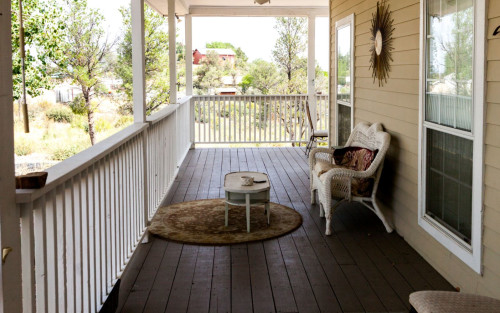
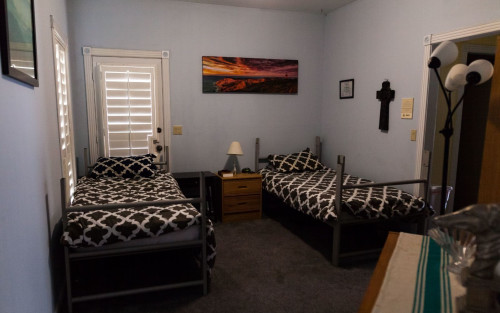
Clients heal not just through therapy but by being cared for in a space that feels safe and life-giving. Their outpatient facility is set on several acres, combining quiet reflection and the opportunity for outdoor activity and fitness. With a CrossFit partnership, clients move their bodies through weightlifting, running, mobility work, and team workouts. Clients also connect in common areas, group meeting spaces, and in the kitchen where they make meals together.
Find Stability while Building Independence
Holdfast Recovery helps men stay accountable and connected through supportive aftercare as they move from treatment into everyday life. Through relapse-prevention planning and access to the Holdfast Recovery family, clients always have someone in their corner. Many choose to stay in Holdfast’s sober living homes, where the community helps them apply the tools they learned in treatment while gaining independence.
Additional Treatment Options
Holdfast Recovery has a sister location up the road, named AnchorPoint. AnchorPoint offers similar residential treatment.

Highlights from the Center
Highlights
These highlights are provided by and paid for by the center.
Customized Treatment Plans
12-Step Approach
Men Only
Spiritual Emphasis
Center Overview
Treatment Focus
This center treats substance use disorders and co-occurring mental health conditions. Your treatment plan addresses each condition at once with personalized, compassionate care for comprehensive healing.
Joint Commission Accredited
The Joint Commission accreditation is a voluntary, objective process that evaluates and accredits healthcare organizations (like treatment centers) based on performance standards designed to improve quality and safety for patients. To be accredited means the treatment center has been found to meet the Commission's standards for quality and safety in patient care.

Insurance Accepted









Cash Pay Rates
Estimated Cash Pay Rate
Center pricing can vary based on program and length of stay. Contact the center for more information. Recovery.com strives for price transparency so you can make an informed decision.





Meet Your Care Team

Tim Hayden
Co-Founder

Jason White
Board of Directors

Terry A. Vaughan
Medical Director
M.D., F.A.P.A.

Deborah Pallett
Physician's Assistant
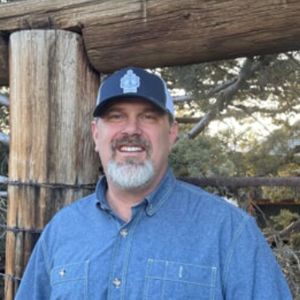
Michael Peterson
Case Manager
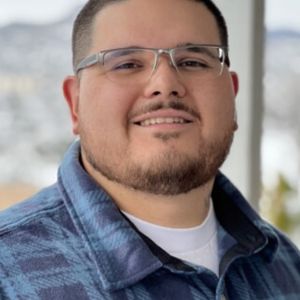
Carlos Aguirre
Behavioral Health Technician

Lance Haney
Business Development
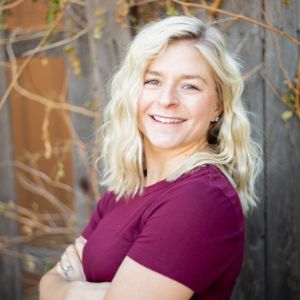
Mallory White
Behavioral Health Technician
Your Care Options
Specializations
Alcohol
Using alcohol as a coping mechanism, or drinking excessively throughout the week, signals an alcohol use disorder.
Drug Addiction
Drug addiction is the excessive and repetitive use of substances, despite harmful consequences to a person's life, health, and relationships.
Eye Movement Therapy (EMDR)
Lateral, guided eye movements help reduce the emotional reactions of retelling and reprocessing trauma, allowing intense feelings to dissipate.
Christian
Through surrender and commitment to Christ, patients refocus the efforts and source of their recovery with clinical and spiritual care.
Methamphetamine
Methamphetamine, or meth, increases energy, agitation, and paranoia. Long-term use can result in severe physical and mental health issues.
Prescription Drugs
It's possible to abuse any drug, even prescribed ones. If you crave a medication, or regularly take it more than directed, you may have an addiction.
Veterans
Patients who completed active military duty receive specialized treatment focused on trauma, grief, loss, and finding a new work-life balance.
Who We Treat
Older Adults
Addiction and mental health treatment caters to adults 55+ and the age-specific challenges that can come with recovery, wellness, and overall happiness.
Executives
Executive treatment programs typically directly support the needs of people who manage businesses and may provide flexible schedules and office space to allow work during treatment.
Midlife Adults
For adults ages 40+, treatment shifts to focus on the unique challenges, blocks, and risk factors of their age group, and unites peers in a similar community.
Mild Disabilities
Adults with mild physical or intellectual disabilities receive treatment catered to their specific needs in a safe and clinically supportive environment.
Veterans
Patients who completed active military duty receive specialized treatment focused on trauma, grief, loss, and finding a new work-life balance.
Treatment Services
Day Treatment
In a PHP, patients live at home but follow an intensive schedule of treatment. Most programs require you to be on-site for about 40 hours per week.
Intensive Outpatient Program
In an IOP, patients live at home or a sober living, but attend treatment typically 9-15 hours a week. Most programs include talk therapy, support groups, and other methods.
Outpatient
During outpatient rehab, patients attend a structured treatment program while continuing to live at home.
Private Therapy
This is an individual therapy that's often available at private therapy clinics. Clients may be able to choose a therapist who best fits their unique needs.
Residential
In a residential rehab program, patients live onsite, with access to daily treatment and 24-hour care. An average stay is 30-90 days.
Approaches
Christian
Through surrender and commitment to Christ, patients refocus the efforts and source of their recovery with clinical and spiritual care.
Evidence-Based
A combination of scientifically rooted therapies and treatments make up evidence-based care, defined by their measured and proven results.
Gender-Specific
Separate treatment for men or women can create strong peer connections and remove barriers related to trauma, shame, and gender-specific nuances.
Individual Treatment
Individual care meets the needs of each patient, using personalized treatment to provide them the most relevant care and greatest chance of success.
Spiritual Emphasis
Spirituality connects patients to a higher power and helps strengthen their recovery, hope, and compliance with other treatment modalities.
Therapeutic Community
Therapeutic communities allow patients to contribute to the success and progress of their community, through healthy behaviors or even basic chores.
Twelve Step
Incorporating spirituality, community, and responsibility, 12-Step philosophies prioritize the guidance of a Higher Power and a continuation of 12-Step practices.
Therapies
1-on-1 Counseling
Patient and therapist meet 1-on-1 to work through difficult emotions and behavioral challenges in a personal, private setting.
Animal Therapy
Animals can inspire trust and self-worth. In this experiential therapy, guided interactions are used to improve social skills and emotion regulation.
Equine Therapy
Guided interactions with trained horses, their handler, and a therapist can help patients improve their self-esteem, trust, empathy, and social skills.
Eye Movement Therapy (EMDR)
Lateral, guided eye movements help reduce the emotional reactions of retelling and reprocessing trauma, allowing intense feelings to dissipate.
Life Skills
Teaching life skills like cooking, cleaning, clear communication, and even basic math provides a strong foundation for continued recovery.
Medication-Assisted Treatment
Combined with behavioral therapy, prescribed medications can enhance treatment by relieving withdrawal symptoms and focus patients on their recovery.
Languages
Conditions We Treat
Anger
Although anger itself isn't a disorder, it can get out of hand. If this feeling interferes with your relationships and daily functioning, treatment can help.
Anxiety
Anxiety is a common mental health condition that can include excessive worry, panic attacks, physical tension, and increased blood pressure.
Depression
Symptoms of depression may include fatigue, a sense of numbness, and loss of interest in activities. This condition can range from mild to severe.
Obsessive Compulsive Disorder (OCD)
OCD is characterized by intrusive and distressing thoughts that drive repetitive behaviors. This pattern disrupts daily life and relationships.
Post Traumatic Stress Disorder
PTSD is a long-term mental health issue caused by a disturbing event or events. Symptoms include anxiety, dissociation, flashbacks, and intrusive thoughts.
Stress
Stress is a natural reaction to challenges, and it can even help you adapt. However, chronic stress can cause physical and mental health issues.
Trauma
Some traumatic events are so disturbing that they cause long-term mental health problems. Those ongoing issues can also be referred to as "trauma."
Substances We Treat
Alcohol
Using alcohol as a coping mechanism, or drinking excessively throughout the week, signals an alcohol use disorder.
Benzodiazepines
Benzodiazepines are prescribed to treat anxiety and sleep issues. They are highly habit forming, and their abuse can cause mood changes and poor judgement.
Chronic Relapse
Consistent relapse occurs repeatedly, after partial recovery from addiction. This condition requires long-term treatment.
Co-Occurring Disorders
A person with multiple mental health diagnoses, such as addiction and depression, has co-occurring disorders also called dual diagnosis.
Cocaine
Cocaine is a stimulant with euphoric effects. Agitation, muscle ticks, psychosis, and heart issues are common symptoms of cocaine abuse.
Drug Addiction
Drug addiction is the excessive and repetitive use of substances, despite harmful consequences to a person's life, health, and relationships.
Ecstasy
Ecstasy is a stimulant that causes intense euphoria and heightened awareness. Abuse of this drug can trigger depression, insomnia, and memory problems.
Heroin
Heroin is a highly addictive and illegal opioid. It can cause insomnia, collapsed veins, heart issues, and additional mental health issues.
Aftercare
Care Designed for Your Needs
Personal Amenities
Amenities
Special Considerations
Gender-specific groups
Patients in gender-specific groups gain the opportunity to discuss challenges unique to their gender in a comfortable, safe setting conducive to healing.
Religion-Based Track
Patients can join faith-based recovery tracks to approach recovery with others in their faith, healing in a like-minded group with similar goals.
First Responders Program
Paramedics, police officers, firefighters, and others join in a specific First Responders program, usually focused on trauma, grief, and work-life balance.
Flexible technology policies
Centers with flexible technology policies allow professionals to stay in touch with work and give patients a greater sense of connection and normalcy.
Activities
Off-Site Activities
Off-Site Amenities
Learn More About the Center
Finding Strength through Christ
Discover how faith, brotherhood, and Christ-centered healing can unlock recovery for men.
Effectively Staging an Intervention
Learn how to turn a difficult conversation into a moment of hope with clear steps for staging an intervention.
Alcoholism and Nutrition
Discover how restoring nutrition can rebuild both body and spirit—helping recovery from alcohol addiction truly take hold.
Veterans Program
Learn how Holdfast Recovery addresses the unique challenges veterans face.
What people are saying
Treatment
5.0
Accommodations
5.0
Food & Nutrition
4.8
Value
5.0
Pros
- Friendly & Competent Staff (9)
- Beautiful Location (8)
- Supportive Aftercare (8)
- Trustworthy (6)
Anonymous
Treatment in 2022 • (90 days) • Reviewed 12/15/23
Loved One of a Former Client
BS
Treatment in 2023 • (90 days) • Reviewed 03/03/24
Loved One of a Former Client
GA
Treatment in 2022 • (90 days) • Reviewed 12/15/23
Former Client
•N/A
•Surprise AZ
Renee Eastin
Treatment in 2023 • (60 days) • Reviewed 12/13/23
Loved One of a Former Client
•Arizona
Robert Arrieta
Treatment in 2020 • (30 days) • Reviewed 12/16/23
Former Client
•First Responder
•New Mexico