Find Treatment By
Rehabs by Location


Find Treatment By
Learn
About Us
Recovery.com combines independent research with expert guidance on addiction and mental health treatment. Our mission is to help everyone find the best path to recovery through the most comprehensive, helpful network of treatment providers worldwide.
Advisory Council
Our advisory council brings together leaders in behavioral health, technology, and business. Their diverse expertise ensures our resources and product are innovative, evidence-based, and effective. They guide our mission as accomplished individuals dedicated to improving the landscape of addiction recovery and mental wellness.
Heal for Life Foundation
Treatment Focus
This center treats substance use disorders and co-occurring mental health conditions. Your treatment plan addresses each condition at once with personalized, compassionate care for comprehensive healing.
Primary Level of Care
Offers a structured, immersive environment for intensive healing and personal growth, combining therapy, wellness activities, and peer support in a peaceful, distraction-free setting
Claimed
Recovery.com has connected directly with this treatment provider to validate the information in their profile.
Treatment Focus
This center treats substance use disorders and co-occurring mental health conditions. Your treatment plan addresses each condition at once with personalized, compassionate care for comprehensive healing.
Primary Level of Care
Offers a structured, immersive environment for intensive healing and personal growth, combining therapy, wellness activities, and peer support in a peaceful, distraction-free setting
Private Pay
You pay directly for treatment out of pocket. This approach can offer enhanced privacy and flexibility, without involving insurance. Exact costs vary based on program and length of stay. Contact the center for specific details.
Heal for Life Foundation
Heal for Life Foundation
About Heal for Life Foundation
Trauma Focused Treatment
Heal for Life Foundation, which was founded in 1999, believes that the vast majority of people who struggle with addictions, depression, anxiety, and other mental health conditions have experienced trauma or abuse as children. Heal for Life Foundation specializes in using holistic approaches to treat co-occurring disorders and trauma in men, women, and children. The T.R.E.E. recovery paradigm was developed by the Heal for Life Foundation (trust, release, empower, educate). The fundamental tenet of the paradigm is the idea that for long-lasting neurobiological changes to take place, emotions that were repressed during the trauma must be released. Additionally, their paradigm acknowledges the crucial role played by psychoanalytic, Rogerian, systemic family, transactional analysis, gestalt, and emotionally focused therapies. The Heal for Life Foundation does not offer group therapy because they do not want their patients to share their experiences and run the risk of re-traumatization or vicarious trauma. Peer assistance is offered along with educational seminars and webinars by the Heal for Life Foundation.
A Sanctuary Surrounded by Nature
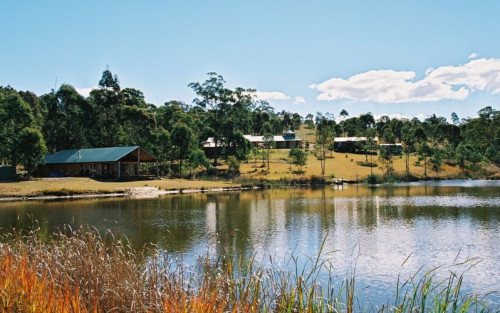
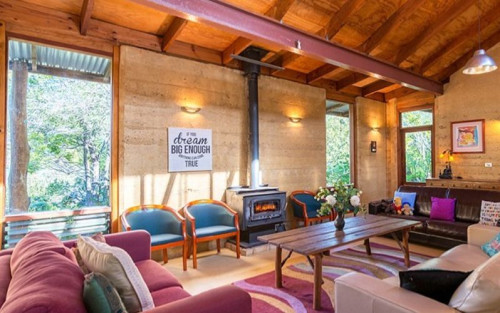
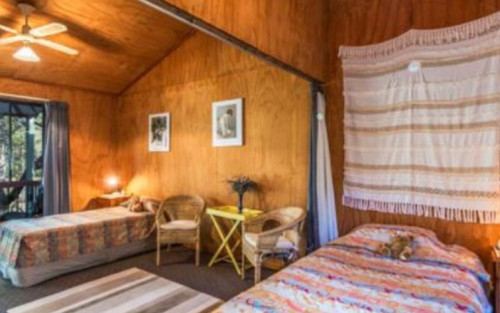
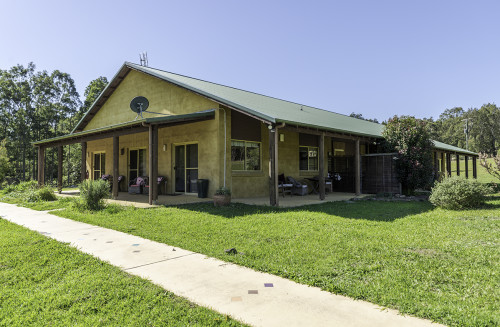
Heal for Life Foundation is set on 340 acres of beautiful Australian bush land. The land has its own fresh water dam. This property offers clients 3 private venues for recovery. The natural setting creates a peaceful environment that helps promote recovery. There is an adult healing center that was the original service center. This facility has a large open plan, all beds are single beds, and clients are asked to bring their own linens and towels as well as any bathroom supplies needed. The kids’ camp is a teen women’s healing center. This center has a large open floor plan dining and living room and 4 double bedrooms with 3 bathrooms. Heal for Life Foundation also has a teen men’s healing center that has a large open floor plan and 5 large bedrooms that are shared. There is a game room, pool table, and tennis table. All facilities are spread out over the acreage, and clients can enjoy water recreations, the natural serene environment, kayak, and wander the trails.
Center Overview
Treatment Focus
This center treats substance use disorders and co-occurring mental health conditions. Your treatment plan addresses each condition at once with personalized, compassionate care for comprehensive healing.
Pricing and Program Length
Estimated Center Costs
The cost listed here ($1,500/5 days), is an estimate of program cost. Center price can vary based on program and length of stay. Contact the center for more information. Recovery.com strives for price transparency so you can make an informed decision.
Levels of Care


Your Care Options
Specializations
Co-Occurring Disorders
A person with multiple mental health diagnoses, such as addiction and depression, has co-occurring disorders also called dual diagnosis.
Trauma
Some traumatic events are so disturbing that they cause long-term mental health problems. Those ongoing issues can also be referred to as "trauma."
Who We Treat
Adolescents
Teens receive the treatment they need for mental health disorders and addiction, with the added support of educational and vocational services.
Young Adults
Emerging adults ages 18-25 receive treatment catered to the unique challenges of early adulthood, like college, risky behaviors, and vocational struggles.
Women only
Women attend treatment in a gender-specific facility, with treatment delivered in a safe, nourishing, and supportive environment for greater comfort.
Approaches
Holistic
A non-medicinal, wellness-focused approach that aims to align the mind, body, and spirit for deep and lasting healing.
Therapies
1-on-1 Counseling
Patient and therapist meet 1-on-1 to work through difficult emotions and behavioral challenges in a personal, private setting.
Art Therapy
Visual art invites patients to examine the emotions within their work, focusing on the process of creativity and its gentle therapeutic power.
Music Therapy
Singing, performing, and even listening to music can be therapeutic. Music therapy sessions are facilitated by certified counselors.
Languages
Conditions We Treat
Trauma
Some traumatic events are so disturbing that they cause long-term mental health problems. Those ongoing issues can also be referred to as "trauma."
Substances We Treat
Co-Occurring Disorders
A person with multiple mental health diagnoses, such as addiction and depression, has co-occurring disorders also called dual diagnosis.
Drug Addiction
Drug addiction is the excessive and repetitive use of substances, despite harmful consequences to a person's life, health, and relationships.
Aftercare
Care Designed for Your Needs
Personal Amenities
Amenities
Special Considerations
Gender-specific groups
Patients in gender-specific groups gain the opportunity to discuss challenges unique to their gender in a comfortable, safe setting conducive to healing.