Find Treatment By
Rehabs by Location


Find Treatment By
Learn
About Us
Recovery.com combines independent research with expert guidance on addiction and mental health treatment. Our mission is to help everyone find the best path to recovery through the most comprehensive, helpful network of treatment providers worldwide.
Advisory Council
Our advisory council brings together leaders in behavioral health, technology, and business. Their diverse expertise ensures our resources and product are innovative, evidence-based, and effective. They guide our mission as accomplished individuals dedicated to improving the landscape of addiction recovery and mental wellness.
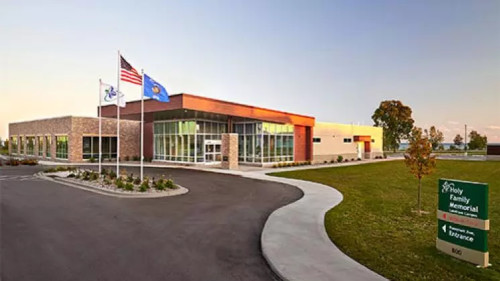
Froedtert Holy Family Memorial Lakefront
Treatment Focus
This center treats substance use disorders and mental health conditions. You'll receive individualized care catered to your unique situation and diagnosis, learn practical skills for recovery, and make new connections in a restorative environment.
Primary Level of Care
Provides 24/7 medical supervision and intensive treatment in a clinical setting for individuals in crisis or with acute needs, focusing on stabilization and immediate safety
This provider hasn't verified their profile's information. Are you the owner of this center? Claim your listing to better manage your presence on Recovery.com.
Treatment Focus
This center treats substance use disorders and mental health conditions. You'll receive individualized care catered to your unique situation and diagnosis, learn practical skills for recovery, and make new connections in a restorative environment.
Primary Level of Care
Provides 24/7 medical supervision and intensive treatment in a clinical setting for individuals in crisis or with acute needs, focusing on stabilization and immediate safety
Provider's Policy
We'll bill your insurance as long as you show a valid ID card or information about your coverage when you arrive at your appointment. Patients should contact their insurance if insurance doesn't within 45 days. Patients without insurance will receive an uninsured discount.
Froedtert Holy Family Memorial Lakefront
Froedtert Holy Family Memorial Lakefront
About Froedtert Holy Family Memorial Lakefront
Care for Every Stage of Recovery
Froedtert’s Holy Family Memorial Lakefront, located near Lake Michigan, helps individuals and couples of all ages manage mental health and substance use issues. They offer standard outpatient care, intensive outpatient programs (IOP), and partial hospitalization programs (PHP, also called day treatment). Clients can attend sessions in person or virtually, with weekday hours from 7 a.m. to 5 p.m.
Therapies Designed Around You
Froedtert's psychologist-led team begins care by assessing the individual or couple seeking treatment so they can use the most effective treatments for each client. They even use brainspotting, which helps them understand any trauma. Some therapies they use include cognitive behavioral therapy (CBT), dialectical‑informed therapy (DBT), group and individual psychotherapy, family therapy, medication management, biofeedback, neurofeedback, transcranial magnetic stimulation (TMS), and esketamine injections.
They sometimes prescribe an app called SilverCloud that uses CBT to help clients address worrisome thought and change their feelings. Plus, Froedtert runs clinical research trials that may offer additional treatments that clients can try.
Groups and Specialized Support
Froedtert offers tailored programs to help clients connect and grow. Specialized groups address depression, anxiety, parenting challenges, relationships, personal growth, and women’s support. Older adults receive care focused on dementia and memory-related issues. By fostering an inclusive environment, the clinic ensures clients receive compassionate, focused support for their unique needs and life stage.
Family Connection
Family members can support clients by visiting and participating in care. Visitors under 18 must be accompanied by another adult.
Transparency
Clients use Epic’s MyChart to schedule appointments, view progress notes, pay bills, and stay involved in treatment planning through its app or website, helping them remain engaged with their treatment plan during and after treatment.
Connected to a Trusted Network
As part of network of treatment centers in Froedtert & the Medical College of Wisconsin, this clinic follows a consistent, research-driven model similar to the other Froedtert centers. This location, along with the other Holy Family Memorial locations, offer Catholic-based care. Some of their sister center provides secular care.

Center Overview
Treatment Focus
This center treats substance use disorders and mental health conditions. You'll receive individualized care catered to your unique situation and diagnosis, learn practical skills for recovery, and make new connections in a restorative environment.
Insurance Accepted






Cash Pay Rates
Estimated Cash Pay Rate
Center pricing can vary based on program and length of stay. Contact the center for more information. Recovery.com strives for price transparency so you can make an informed decision.
Levels of Care


Your Care Options
Specializations
Older Adults
Addiction and mental health treatment caters to adults 55+ and the age-specific challenges that can come with recovery, wellness, and overall happiness.
Adolescents
Teens receive the treatment they need for mental health disorders and addiction, with the added support of educational and vocational services.
Children
Treatment for children incorporates the psychiatric care they need and education, often led by on-site teachers to keep children on track with school.
Drug Addiction
Drug addiction is the excessive and repetitive use of substances, despite harmful consequences to a person's life, health, and relationships.
Licensed Primary Mental Health
Some primary care providers offer mental health diagnosis and treatment. This can prevent patients from developing more serious conditions.
Who We Treat
Older Adults
Addiction and mental health treatment caters to adults 55+ and the age-specific challenges that can come with recovery, wellness, and overall happiness.
Adolescents
Teens receive the treatment they need for mental health disorders and addiction, with the added support of educational and vocational services.
Children
Treatment for children incorporates the psychiatric care they need and education, often led by on-site teachers to keep children on track with school.
LGBTQ+
Addiction and mental illnesses in the LGBTQ+ community must be treated with an affirming, safe, and relevant approach, which many centers provide.
Men and Women
Men and women attend treatment for addiction in a co-ed setting, going to therapy groups together to share experiences, struggles, and successes.
Approaches
Christian
Through surrender and commitment to Christ, patients refocus the efforts and source of their recovery with clinical and spiritual care.
Evidence-Based
A combination of scientifically rooted therapies and treatments make up evidence-based care, defined by their measured and proven results.
Family Involvement
Providers involve family in the treatment of their loved one through family therapy, visits, or both–because addiction is a family disease.
Individual Treatment
Individual care meets the needs of each patient, using personalized treatment to provide them the most relevant care and greatest chance of success.
Therapies
1-on-1 Counseling
Patient and therapist meet 1-on-1 to work through difficult emotions and behavioral challenges in a personal, private setting.
Couples Counseling
Partners work to improve their communication patterns, using advice from their therapist to better their relationship and make healthy changes.
Eye Movement Therapy (EMDR)
Lateral, guided eye movements help reduce the emotional reactions of retelling and reprocessing trauma, allowing intense feelings to dissipate.
Ketamine Therapy
Ketamine therapy uses ketamine, a dissociative anesthetic, to provide rapid relief for severe depression, trauma symptoms, and other mental health conditions.
Life Skills
Teaching life skills like cooking, cleaning, clear communication, and even basic math provides a strong foundation for continued recovery.
Languages
Conditions We Treat
Anxiety
Anxiety is a common mental health condition that can include excessive worry, panic attacks, physical tension, and increased blood pressure.
Bipolar
This mental health condition is characterized by extreme mood swings between depression, mania, and remission.
Depression
Symptoms of depression may include fatigue, a sense of numbness, and loss of interest in activities. This condition can range from mild to severe.
Gambling
Excessive, repetitive gambling causes financial and interpersonal problems. This addiction can interfere with work, friendships, and familial relationships.
Post Traumatic Stress Disorder
PTSD is a long-term mental health issue caused by a disturbing event or events. Symptoms include anxiety, dissociation, flashbacks, and intrusive thoughts.
Trauma
Some traumatic events are so disturbing that they cause long-term mental health problems. Those ongoing issues can also be referred to as "trauma."
Substances We Treat
Alcohol
Using alcohol as a coping mechanism, or drinking excessively throughout the week, signals an alcohol use disorder.
Co-Occurring Disorders
A person with multiple mental health diagnoses, such as addiction and depression, has co-occurring disorders also called dual diagnosis.
Drug Addiction
Drug addiction is the excessive and repetitive use of substances, despite harmful consequences to a person's life, health, and relationships.
Aftercare
Care Designed for Your Needs
Special Considerations
Couples program
Using gentle clinical care, therapists guide patients and their partner through guided sessions to address issues and work towards lasting solutions.