Find Treatment By
Rehabs by Location


Find Treatment By
Learn
About Us
Recovery.com combines independent research with expert guidance on addiction and mental health treatment. Our mission is to help everyone find the best path to recovery through the most comprehensive, helpful network of treatment providers worldwide.
Advisory Council
Our advisory council brings together leaders in behavioral health, technology, and business. Their diverse expertise ensures our resources and product are innovative, evidence-based, and effective. They guide our mission as accomplished individuals dedicated to improving the landscape of addiction recovery and mental wellness.


Eagle Ranch Academy
Treatment Focus
This center treats mental health conditions and co-occurring substance use. You receive collaborative, individualized treatment that addresses both issues for whole-person healing.
Primary Level of Care
Integrates academic instruction with therapeutic support, helping students manage emotional or behavioral challenges while continuing their education in a structured, supportive environment.
Claimed
Recovery.com has connected directly with this treatment provider to validate the information in their profile.
Treatment Focus
This center treats mental health conditions and co-occurring substance use. You receive collaborative, individualized treatment that addresses both issues for whole-person healing.
Primary Level of Care
Integrates academic instruction with therapeutic support, helping students manage emotional or behavioral challenges while continuing their education in a structured, supportive environment.
Private Pay
You pay directly for treatment out of pocket. This approach can offer enhanced privacy and flexibility, without involving insurance. Exact costs vary based on program and length of stay. Contact the center for specific details.
Eagle Ranch Academy
Eagle Ranch Academy
About Eagle Ranch Academy
Eagle Ranch Academy is a therapeutic boarding school for troubled teens, offering a comprehensive approach to education and personal development. Their choice-based program combines academic studies with therapeutic interventions to address various challenges faced by adolescents, such as behavioral issues, emotional struggles, substance abuse, and family dynamics. Through a structured and supportive environment, students receive individualized treatment plans, counseling, and academic support to foster positive growth and long-term success. Additionally, Eagle Ranch Academy emphasizes family involvement and communication to facilitate healing and strengthen relationships.
A Typical Day
The program is rooted in the Core Value Behavioral Change Model, which teaches core values through individual, family, and group therapy, ultimately educating teens to make better choices. At Eagle Ranch Academy, teens follow a structured daily routine focused on therapy and personal growth. Mornings start with goal-setting, followed by individual and family therapy sessions led by licensed therapists. Group therapy covers topics like CBT, DBT, and trauma therapy, supplemented by activities such as social skills training and art/music therapy. Academic and medical evaluations are conducted, with on-campus psychiatric and medical support available 24/7. Evenings include group reflections and journaling. With a holistic approach and professional support, Eagle Ranch Academy offers teens a structured path to healing and progress.
Academic Opportunity
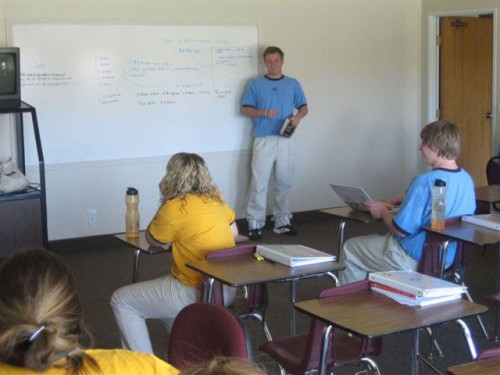
Eagle Ranch Academy partners with Coral Sands Academy, a digital, private school. Certified teachers and special education teachers help teens progress through school during the program. Students have opportunities for educational outings and service projects, with a focus on academic success and future goals. Upon graduation from the program, each student receives a $1,000 scholarship towards further education or vocational training.

Center Overview
Treatment Focus
This center treats mental health conditions and co-occurring substance use. You receive collaborative, individualized treatment that addresses both issues for whole-person healing.
CARF Accredited
CARF stands for the Commission on Accreditation of Rehabilitation Facilities. It's an independent, non-profit organization that provides accreditation services for a variety of healthcare services. To be accredited means that the program meets their standards for quality, effectiveness, and person-centered care.
Pricing and Program Length
Estimated Center Costs
The cost listed here ($8,500+), is an estimate of program cost. Center price can vary based on program and length of stay. Contact the center for more information. Recovery.com strives for price transparency so you can make an informed decision.
Levels of Care


Your Care Options
Specializations
Adolescents
Teens receive the treatment they need for mental health disorders and addiction, with the added support of educational and vocational services.
ADHD, ADD
ADHD is a common mental health condition caused by dopamine imbalance. Common symptoms include inattention, hyperactivitiy, and impulsivity.
Anxiety
Anxiety is a common mental health condition that can include excessive worry, panic attacks, physical tension, and increased blood pressure.
Depression
Symptoms of depression may include fatigue, a sense of numbness, and loss of interest in activities. This condition can range from mild to severe.
Who We Treat
Adolescents
Teens receive the treatment they need for mental health disorders and addiction, with the added support of educational and vocational services.
Approaches
Family Involvement
Providers involve family in the treatment of their loved one through family therapy, visits, or both–because addiction is a family disease.
Individual Treatment
Individual care meets the needs of each patient, using personalized treatment to provide them the most relevant care and greatest chance of success.
Therapies
1-on-1 Counseling
Patient and therapist meet 1-on-1 to work through difficult emotions and behavioral challenges in a personal, private setting.
Art Therapy
Visual art invites patients to examine the emotions within their work, focusing on the process of creativity and its gentle therapeutic power.
Family Therapy
Family therapy addresses group dynamics within a family system, with a focus on improving communication and interrupting unhealthy relationship patterns.
Life Skills
Teaching life skills like cooking, cleaning, clear communication, and even basic math provides a strong foundation for continued recovery.
Music Therapy
Singing, performing, and even listening to music can be therapeutic. Music therapy sessions are facilitated by certified counselors.
Recreation Therapy
In recreation therapy, recovery can be joyful. Patients practice social skills and work through emotional triggers by engaging in fun activities.
Languages
Conditions We Treat
ADHD, ADD
ADHD is a common mental health condition caused by dopamine imbalance. Common symptoms include inattention, hyperactivitiy, and impulsivity.
Anger
Although anger itself isn't a disorder, it can get out of hand. If this feeling interferes with your relationships and daily functioning, treatment can help.
Anxiety
Anxiety is a common mental health condition that can include excessive worry, panic attacks, physical tension, and increased blood pressure.
Depression
Symptoms of depression may include fatigue, a sense of numbness, and loss of interest in activities. This condition can range from mild to severe.
Grief and Loss
Grief is a natural reaction to loss, but severe grief can interfere with your ability to function. You can get treatment for this condition.
Obsessive Compulsive Disorder (OCD)
OCD is characterized by intrusive and distressing thoughts that drive repetitive behaviors. This pattern disrupts daily life and relationships.
Post Traumatic Stress Disorder
PTSD is a long-term mental health issue caused by a disturbing event or events. Symptoms include anxiety, dissociation, flashbacks, and intrusive thoughts.
Trauma
Some traumatic events are so disturbing that they cause long-term mental health problems. Those ongoing issues can also be referred to as "trauma."
Substances We Treat
Alcohol
Using alcohol as a coping mechanism, or drinking excessively throughout the week, signals an alcohol use disorder.
Co-Occurring Disorders
A person with multiple mental health diagnoses, such as addiction and depression, has co-occurring disorders also called dual diagnosis.
Drug Addiction
Drug addiction is the excessive and repetitive use of substances, despite harmful consequences to a person's life, health, and relationships.