Find Treatment By
Rehabs by Location


Find Treatment By
Learn
About Us
Recovery.com combines independent research with expert guidance on addiction and mental health treatment. Our mission is to help everyone find the best path to recovery through the most comprehensive, helpful network of treatment providers worldwide.
Advisory Council
Our advisory council brings together leaders in behavioral health, technology, and business. Their diverse expertise ensures our resources and product are innovative, evidence-based, and effective. They guide our mission as accomplished individuals dedicated to improving the landscape of addiction recovery and mental wellness.

Dream Center
Treatment Focus
This center primarily treats substance use disorders, helping you stabilize, create relapse-prevention plans, and connect to compassionate support.
Primary Level of Care
Offering intensive care with 24/7 monitoring, residential treatment is typically 30 days and can cover multiple levels of care. Length can range from 14 to 90 days typically.
This provider hasn't verified their profile's information. Are you the owner of this center? Claim your listing to better manage your presence on Recovery.com.
Treatment Focus
This center primarily treats substance use disorders, helping you stabilize, create relapse-prevention plans, and connect to compassionate support.
Primary Level of Care
Offering intensive care with 24/7 monitoring, residential treatment is typically 30 days and can cover multiple levels of care. Length can range from 14 to 90 days typically.
Private Pay
You pay directly for treatment out of pocket. This approach can offer enhanced privacy and flexibility, without involving insurance. Exact costs vary based on program and length of stay. Contact the center for specific details.
Dream Center
Dream Center
About Dream Center
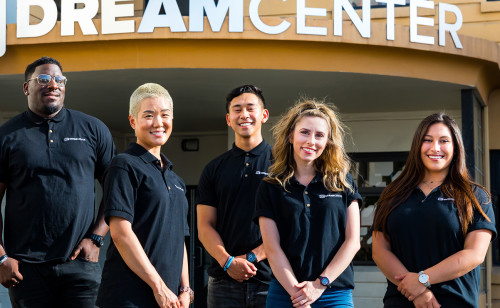
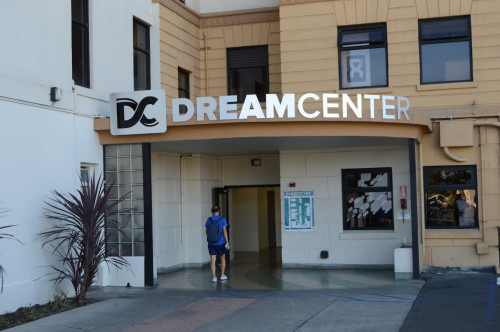
The Dream Center in Los Angeles is a Christian-based nonprofit organization providing free programs, including transitional housing, outreach, and various resources aimed at helping individuals rebuild their lives. These programs focus on assisting the homeless, those struggling with addiction, and families in crisis. The Dream Center offers both residential programs and outreach services to support people throughout LA County. They emphasize restoring lives through practical solutions and the love of Christ.
Explore their Programs
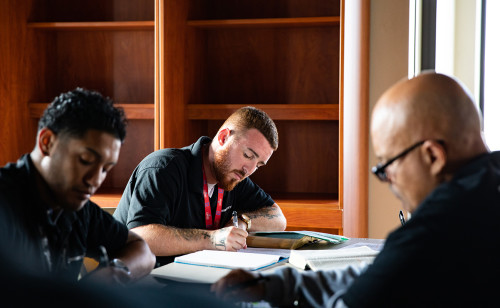
The Dream Center offers free transitional housing programs, including personalized care, mentorship, and guidance. Their 1-year Discipleship recovery program helps men and women overcome addiction, depression, and abuse. The Connections and Transitions programs provide further support for graduates transitioning to independent living. Additionally, they have programs for foster youth, homeless families, and veterans, focusing on spiritual, educational, and practical skills to ensure long-term success. All programs include food, housing, education, and mentorship.
What is the Veterans Program?
A 1-year residential program helping male and female veterans transition to civilian life through practical and spiritual support, including job training, education, and mentorship.
What does it provide?
Housing, food, education, and access to veterans' benefits, focusing on personal growth and social skills.
Who is eligible for the Families Program?
Homeless families seeking stability and support in spiritual, emotional, and financial areas.
What support is available?
Housing, educational opportunities, and resources for long-term success and independence.
What is the Connections Program?
Ongoing support for graduates of the Discipleship program, offering structured community and personal growth resources.
What does it include?
Housing, food, education, mentorship, and continued accountability for recovery.
What is the Transitions Program?
Designed for graduates of the Connections Program, it helps individuals transition to independent living with job training and life skills.
What is included?
Housing, education, job placement support, and mentorship.
What is the Discipleship Program?
A 12-14 month residential program helping men and women overcome addiction, depression, and life-controlling issues through Christian teachings, spiritual growth, mentorship.
What is included?
Free housing, food, education, and mentorship to eliminate distractions and rebuild lives.

Center Overview
Treatment Focus
This center primarily treats substance use disorders, helping you stabilize, create relapse-prevention plans, and connect to compassionate support.

Pricing and Program Length
Estimated Center Costs
The cost listed here (Free), is an estimate of program cost. Center price can vary based on program and length of stay. Contact the center for more information. Recovery.com strives for price transparency so you can make an informed decision.
Levels of Care


Your Care Options
Specializations
Alcohol
Using alcohol as a coping mechanism, or drinking excessively throughout the week, signals an alcohol use disorder.
Drug Addiction
Drug addiction is the excessive and repetitive use of substances, despite harmful consequences to a person's life, health, and relationships.
Christian
Through surrender and commitment to Christ, patients refocus the efforts and source of their recovery with clinical and spiritual care.
Veterans
Patients who completed active military duty receive specialized treatment focused on trauma, grief, loss, and finding a new work-life balance.
Who We Treat
Men and Women
Men and women attend treatment for addiction in a co-ed setting, going to therapy groups together to share experiences, struggles, and successes.
Veterans
Patients who completed active military duty receive specialized treatment focused on trauma, grief, loss, and finding a new work-life balance.
Approaches
Christian
Through surrender and commitment to Christ, patients refocus the efforts and source of their recovery with clinical and spiritual care.
Individual Treatment
Individual care meets the needs of each patient, using personalized treatment to provide them the most relevant care and greatest chance of success.
Therapies
1-on-1 Counseling
Patient and therapist meet 1-on-1 to work through difficult emotions and behavioral challenges in a personal, private setting.
Family Therapy
Family therapy addresses group dynamics within a family system, with a focus on improving communication and interrupting unhealthy relationship patterns.
Life Skills
Teaching life skills like cooking, cleaning, clear communication, and even basic math provides a strong foundation for continued recovery.
Languages
Conditions We Treat
Depression
Symptoms of depression may include fatigue, a sense of numbness, and loss of interest in activities. This condition can range from mild to severe.
Substances We Treat
Alcohol
Using alcohol as a coping mechanism, or drinking excessively throughout the week, signals an alcohol use disorder.
Drug Addiction
Drug addiction is the excessive and repetitive use of substances, despite harmful consequences to a person's life, health, and relationships.
Care Designed for Your Needs
Personal Amenities
Special Considerations
Family Member Stays
Treatment providers welcome family members to stay on-site to better the experience and success of patients and their families as a whole.