Find Treatment By
Rehabs by Location


Find Treatment By
Learn
About Us
Recovery.com combines independent research with expert guidance on addiction and mental health treatment. Our mission is to help everyone find the best path to recovery through the most comprehensive, helpful network of treatment providers worldwide.
Advisory Council
Our advisory council brings together leaders in behavioral health, technology, and business. Their diverse expertise ensures our resources and product are innovative, evidence-based, and effective. They guide our mission as accomplished individuals dedicated to improving the landscape of addiction recovery and mental wellness.
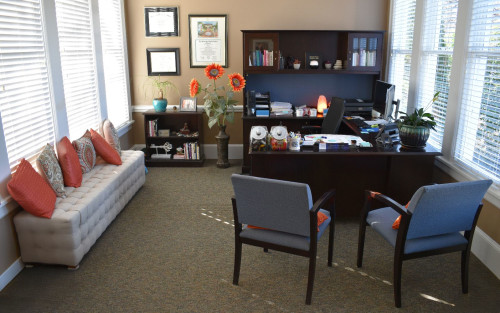
Dilworth Center
Verified Center
This provider's information has been quality-checked by Recovery.com's Research Team for accuracy and completeness, including center verification through appropriate third-party organizations.
Treatment Focus
This center treats substance use disorders and co-occurring mental health conditions. Your treatment plan addresses each condition at once with personalized, compassionate care for comprehensive healing.
Primary Level of Care
Outpatient treatment offers flexible therapeutic and medical care without the need to stay overnight in a hospital or inpatient facility. Some centers offer intensive outpatient program (IOP), which falls between inpatient care and traditional outpatient service.
Treatment Focus
This center treats substance use disorders and co-occurring mental health conditions. Your treatment plan addresses each condition at once with personalized, compassionate care for comprehensive healing.
Primary Level of Care
Outpatient treatment offers flexible therapeutic and medical care without the need to stay overnight in a hospital or inpatient facility. Some centers offer intensive outpatient program (IOP), which falls between inpatient care and traditional outpatient service.
Provider's Policy
We're in network with most major insurance companies. We are committed to making high-quality addiction and mental health treatment more accessible. That’s why we partner with most major insurance companies—helping individuals and families use their insurance to cover rehab and therapy.
Dilworth Center
Dilworth Center
About Dilworth Center
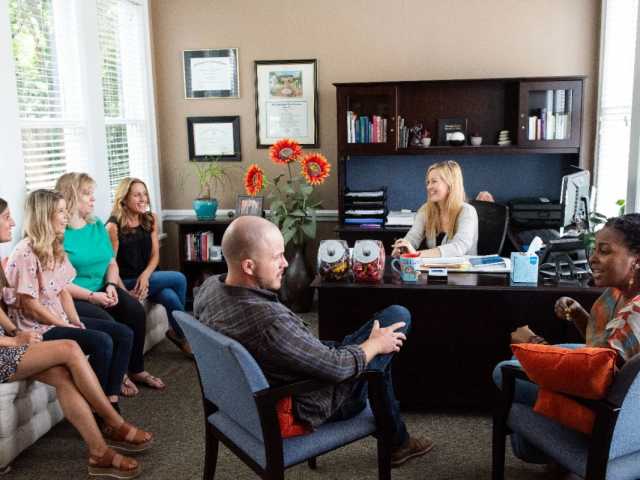
The Dilworth Center treats substance use along with the underlying emotional struggles that so often come with them, helping people rebuild their lives from the inside out. They specialize exclusively in intensive outpatient programs (IOP) for adults, young adults, and adolescents. That means every bit of their expertise and heart goes into making this level of care as effective—and life-changing—as possible.
Walk in Broken, Rebuild with Purpose
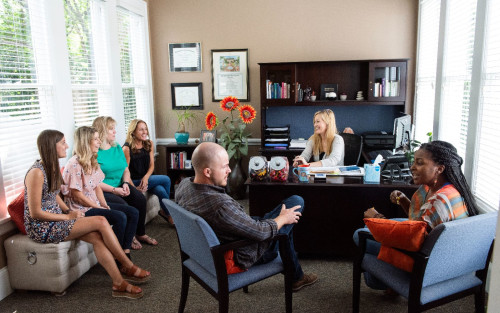
Dilworth Center’s approach to treatment is rooted in intentional rigor and deep respect for the 12-Step path. They ask clients to come ready to commit and be willing to go deep. Their groups are deliberately small so that voices can be heard and real change can begin. They lean hard into 12-Step facilitation, making it central in guiding recovery, while weaving in evidence-based therapies, relapse prevention, and mental health support.
Come for the Care, Stay for the Porch Therapy
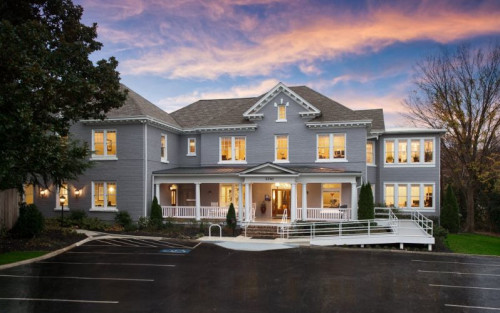
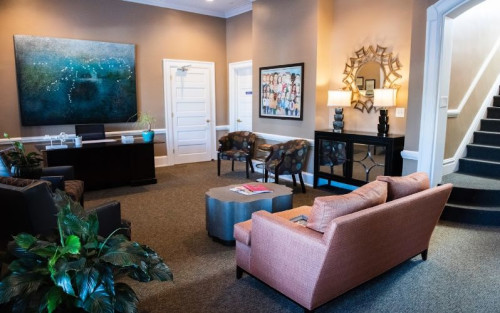
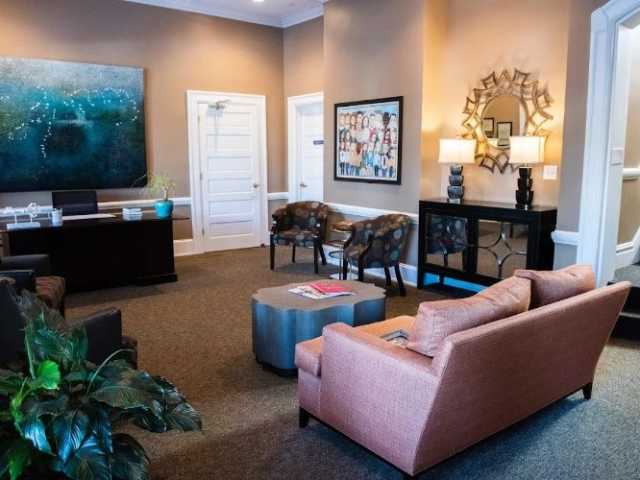
In Charlotte’s historic Dilworth neighborhood, the Dilworth Center is a beautifully-restored 100 year old historic home, and it has a quiet charm that immediately puts people at ease. It’s close enough to the city for convenience, yet peaceful enough to feel like a getaway. Outside, the wide front porch has become a place where clients and staff gather in rocking chairs and find connection.
Keep the Spark of Recovery Alive with Aftercare
At weekly alumni meetings, there’s always laughter and honest conversation, as past clients come together to share what life in recovery really looks like. For those who crave continued growth, the center offers an advanced relapse prevention program, where small groups of just 4–5 people meet weekly for 16 sessions to work through a powerful, hands-on workbook.
Highlights from the Center
Highlights
These highlights are provided by and paid for by the center.
Holistic Approach
Perfect for Professionals
Adolescents
30+ Years in Business
Center Overview
Treatment Focus
This center treats substance use disorders and co-occurring mental health conditions. Your treatment plan addresses each condition at once with personalized, compassionate care for comprehensive healing.
CARF Accredited
CARF stands for the Commission on Accreditation of Rehabilitation Facilities. It's an independent, non-profit organization that provides accreditation services for a variety of healthcare services. To be accredited means that the program meets their standards for quality, effectiveness, and person-centered care.

Insurance Accepted










Recovery.com Verified Listing
Recovery.com verified that the name, location, contact information and license to operate for this treatment provider are valid and up-to-date.
CARF Accredited

Licensed by North Carolina

NAATP Member
Recovery.com is an independent, third-party mental health resource. Verification does not imply endorsement and does not guarantee the quality of treatment services.
Meet Your Care Team
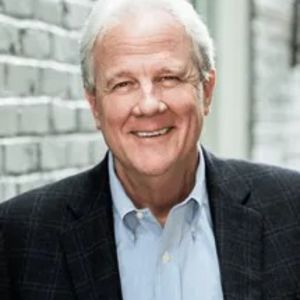
Charles Odell
CEO and President
MAC, LCAS

Tammy Hanson
Chief Operating Officer
MSW, LCSW, MAC, LCAS, CCS, CCTP, MH

Cynthia Givens
Director of Development
JD, CFRE
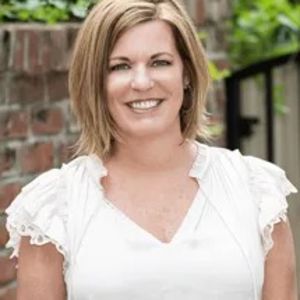
Angie Leckie
Director of Finance
CPA

Dr. Christopher E. Lord
Medical Director
MD
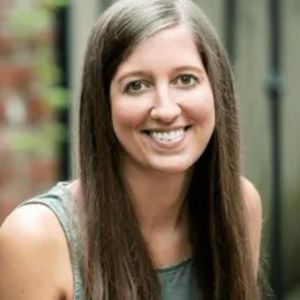
Kelly Little
Clinical Supervisor
MSW, LCAS, CCS, CCTP, MH

Cori N. Trotman Sr.
Lead Counselor
BA, CADC, ACRPS, CTP

Abier Thornton
Lead Counselor
M.Ed., LCAS, CCTP
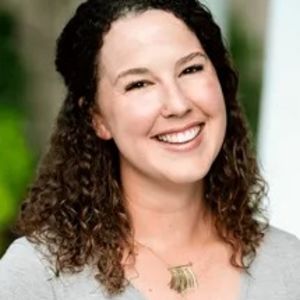
Jordan Tadlock
Counselor
MA, LMFT

Michael Hatley
Counselor
MA, LCAS, CCTP
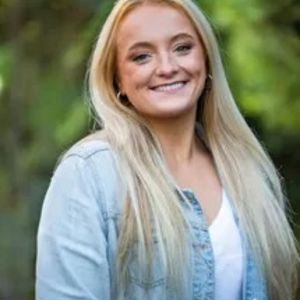
Lindsay Boyd
Counselor
MA, LMHC-A, LCAS-A, CCTP

Kaylee Bodner
Counselor
MSW, LCSW, LCAS-A, CCTP
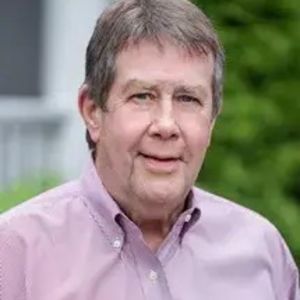
Peter Hirsch
Counselor / Research Coordinator
BS, CADC, CTP

Rob Marcy
Counselor
MS, LCAS-A, CTP
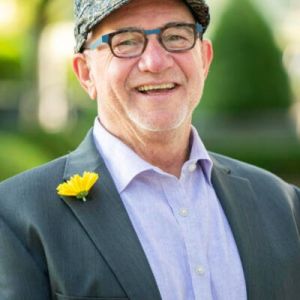
Tim McDonnell
Treatment Facilitator
CADC-R

Alexa Hanson
Counselor Intern
Licensed Clinical Mental Health Counselor Intern, ES, CTP

Sara Jakab
Laboratory Scientist
BS
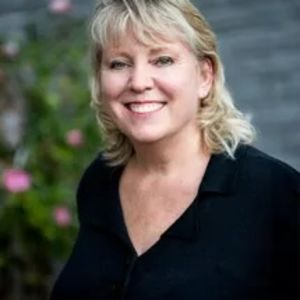
Christina "Tina" Melber
Manager of Administrative Operations
BA

Amy McDonnell
Clinical Case Coordinator
BA

Marsha C. Green
Clinical Case Coordinator
MA

Corinne Freer
Patient Accounts Coordinator

Denise Becker
Director of Business Development

Buck Rackley
Design and Data Systems Manager
Your Care Options
Specializations
Adolescents
Teens receive the treatment they need for mental health disorders and addiction, with the added support of educational and vocational services.
Alcohol
Using alcohol as a coping mechanism, or drinking excessively throughout the week, signals an alcohol use disorder.
Co-Occurring Disorders
A person with multiple mental health diagnoses, such as addiction and depression, has co-occurring disorders also called dual diagnosis.
Cocaine
Cocaine is a stimulant with euphoric effects. Agitation, muscle ticks, psychosis, and heart issues are common symptoms of cocaine abuse.
Drug Addiction
Drug addiction is the excessive and repetitive use of substances, despite harmful consequences to a person's life, health, and relationships.
Executive Program
Addiction and mental health treatment for executives typically involves high discretion, greater technology access, and more private, 1-on-1 care.
Family Therapy
Family therapy addresses group dynamics within a family system, with a focus on improving communication and interrupting unhealthy relationship patterns.
Who We Treat
Older Adults
Addiction and mental health treatment caters to adults 55+ and the age-specific challenges that can come with recovery, wellness, and overall happiness.
Adolescents
Teens receive the treatment they need for mental health disorders and addiction, with the added support of educational and vocational services.
Executives
Executive treatment programs typically directly support the needs of people who manage businesses and may provide flexible schedules and office space to allow work during treatment.
Young Adults
Emerging adults ages 18-25 receive treatment catered to the unique challenges of early adulthood, like college, risky behaviors, and vocational struggles.
Men and Women
Men and women attend treatment for addiction in a co-ed setting, going to therapy groups together to share experiences, struggles, and successes.
Midlife Adults
For adults ages 40+, treatment shifts to focus on the unique challenges, blocks, and risk factors of their age group, and unites peers in a similar community.
Mild Disabilities
Adults with mild physical or intellectual disabilities receive treatment catered to their specific needs in a safe and clinically supportive environment.
Treatment Services
Intensive Family Program
Some rehabs offer intensive programs for loved ones. Group and individual therapy sessions help everyone heal, and improve family dynamics.
Intensive Outpatient Program
In an IOP, patients live at home or a sober living, but attend treatment typically 9-15 hours a week. Most programs include talk therapy, support groups, and other methods.
Outpatient
During outpatient rehab, patients attend a structured treatment program while continuing to live at home.
Approaches
Evidence-Based
A combination of scientifically rooted therapies and treatments make up evidence-based care, defined by their measured and proven results.
Family Involvement
Providers involve family in the treatment of their loved one through family therapy, visits, or both–because addiction is a family disease.
Twelve Step
Incorporating spirituality, community, and responsibility, 12-Step philosophies prioritize the guidance of a Higher Power and a continuation of 12-Step practices.
Therapies
1-on-1 Counseling
Patient and therapist meet 1-on-1 to work through difficult emotions and behavioral challenges in a personal, private setting.
Equine Therapy
Guided interactions with trained horses, their handler, and a therapist can help patients improve their self-esteem, trust, empathy, and social skills.
Experiential Therapy
With this approach, patients heal by doing. Therapists help patients process difficult emotions to speak, using guided activities like art or dance.
Family Therapy
Family therapy addresses group dynamics within a family system, with a focus on improving communication and interrupting unhealthy relationship patterns.
Meditation & Mindfulness
A practiced state of mind that brings patients to the present. It allows them to become fully aware of themselves, their feelings, and the present moment.
Relapse Prevention Counseling
Relapse prevention counselors teach patients to recognize the signs of relapse and reduce their risk.
Languages
Substances We Treat
Alcohol
Using alcohol as a coping mechanism, or drinking excessively throughout the week, signals an alcohol use disorder.
Benzodiazepines
Benzodiazepines are prescribed to treat anxiety and sleep issues. They are highly habit forming, and their abuse can cause mood changes and poor judgement.
Co-Occurring Disorders
A person with multiple mental health diagnoses, such as addiction and depression, has co-occurring disorders also called dual diagnosis.
Cocaine
Cocaine is a stimulant with euphoric effects. Agitation, muscle ticks, psychosis, and heart issues are common symptoms of cocaine abuse.
Drug Addiction
Drug addiction is the excessive and repetitive use of substances, despite harmful consequences to a person's life, health, and relationships.
Methamphetamine
Methamphetamine, or meth, increases energy, agitation, and paranoia. Long-term use can result in severe physical and mental health issues.
Opioids
Opioids produce pain-relief and euphoria, which can lead to addiction. This class of drugs includes prescribed medication and the illegal drug heroin.
Prescription Drugs
It's possible to abuse any drug, even prescribed ones. If you crave a medication, or regularly take it more than directed, you may have an addiction.
Aftercare
Care Designed for Your Needs
Amenities
Special Considerations
Gender-specific groups
Patients in gender-specific groups gain the opportunity to discuss challenges unique to their gender in a comfortable, safe setting conducive to healing.
Young Adults Program
Programs for young adults bring teens 18+ together to discuss age-specific challenges, vocational and educational progress, and successes in treatment.
Executive Program
Addiction and mental health treatment for executives typically involves high discretion, greater technology access, and more private, 1-on-1 care.
Activities
Yoga
Yoga is both a physical and spiritual practice. It includes a flow of movement, breathing techniques, and meditation.
Off-Site Activities
Learn More About the Center
The Story behind the Dilworth Center
Discover how a 100-year-old home in Charlotte became a beacon of hope and healing for thousands seeking recovery.
Understanding Naltrexone
Learn how naltrexone works to quiet cravings, support sobriety, and give people in alcohol recovery a real chance at lasting change.
Impact of Marijuana on Mental Health
Explore how marijuana affects the brain and mood—and why understanding its impact is key to protecting mental health and recovery.
Long-Term Effects of Alcohol
Uncover how long-term alcohol use quietly reshapes the body and mind, and why early awareness can make recovery possible.
What people are saying
Treatment
3.5
Accommodations
3.5
Food & Nutrition
2.5
Value
3.6
James
Reviewed 09/19/24
Review from Rehabs.com
Ryan
Reviewed 05/26/21
Review from Rehabs.com
Anonymous
Reviewed 11/21/18
Review from Rehabs.com
Scott
Reviewed 01/06/17
Review from Rehabs.com
NoGo
Reviewed 09/20/17
Review from Rehabs.com