Find Treatment By
Rehabs by Location


Find Treatment By
Learn
About Us
Recovery.com combines independent research with expert guidance on addiction and mental health treatment. Our mission is to help everyone find the best path to recovery through the most comprehensive, helpful network of treatment providers worldwide.
Advisory Council
Our advisory council brings together leaders in behavioral health, technology, and business. Their diverse expertise ensures our resources and product are innovative, evidence-based, and effective. They guide our mission as accomplished individuals dedicated to improving the landscape of addiction recovery and mental wellness.
Valium Addiction: Signs, Effects, and Treatment


Dr. Lauren Geoffrion graduated medical school from Loma Linda University in May 2021. Throughout medical school, she worked on several publications in collaboration with physicians at Loma Linda. She researched and wrote for several psychiatry publications as well as writing an abstract for her research featured in the Journal of Investigative Medicine in 2018.

Kristen Fuller, M.D., enjoys writing about evidence-based topics in the cutting-edge world of mental health and addiction medicine and contributes to medicine board education.

Dr. Lauren Geoffrion graduated medical school from Loma Linda University in May 2021. Throughout medical school, she worked on several publications in collaboration with physicians at Loma Linda. She researched and wrote for several psychiatry publications as well as writing an abstract for her research featured in the Journal of Investigative Medicine in 2018.
Kristen Fuller, M.D., enjoys writing about evidence-based topics in the cutting-edge world of mental health and addiction medicine and contributes to medicine board education.
- Valium is a prescription benzodiazepine that can lead to dependence and addiction, even when taken as prescribed.
- Taking higher doses than prescribed, using someone else's medication, or combining Valium with alcohol, opioids, or other drugs can increase the risk of side effects, overdose, and addiction.
- Valium withdrawal can be dangerous, making medical supervision an important consideration for many people stopping long-term benzodiazepine use.
- Medical detox, inpatient or outpatient rehab, and aftercare services such as therapy, support groups, and sober living can help people safely stop using Valium and maintain long-term recovery.
Valium is a name-brand benzodiazepine medication that can help with several physical and mental health conditions.1 But like other benzodiazepines, Valium has the potential for both misuse and dependence and can be dangerous when used alongside other substances.1
Benzodiazepines like Valium remain among the most commonly misused prescription drugs in the U.S. In 2023 alone, nearly 5 million people misused prescription tranquilizers, including benzodiazepines, according to the National Survey on Drug Use and Health (NSDUH).2
This page will help you learn what Valium is, how it works in your body, the potential dangers of Valium misuse, and where to get help for Valium misuse or addiction.
What Is Valium?
Valium is the brand name for the generic diazepam, which is a benzodiazepine typically prescribed for treating certain anxiety disorders, short-term anxiety symptoms, and insomnia.3 It can also be administered to help ease anxiety before a medical operation.1
Valium is available as a white or yellow tablet, while diazepam can be administered in tablets, injections, intravenously, or rectally.1,4 Diazepam is considered a Schedule IV substance under the Controlled Substances Act of 1970 due to its potential for misuse and the possibility of causing physical dependence.3
How Does Valium Work?
Valium, like other benzodiazepines, is a central nervous system (CNS) depressant, which works by calming an over-excited nervous system.1
Benzodiazepines interact with GABA (gamma-aminobutyric acid) receptors, which are inhibitory neurotransmitters in the CNS and found throughout the body and brain.1,4
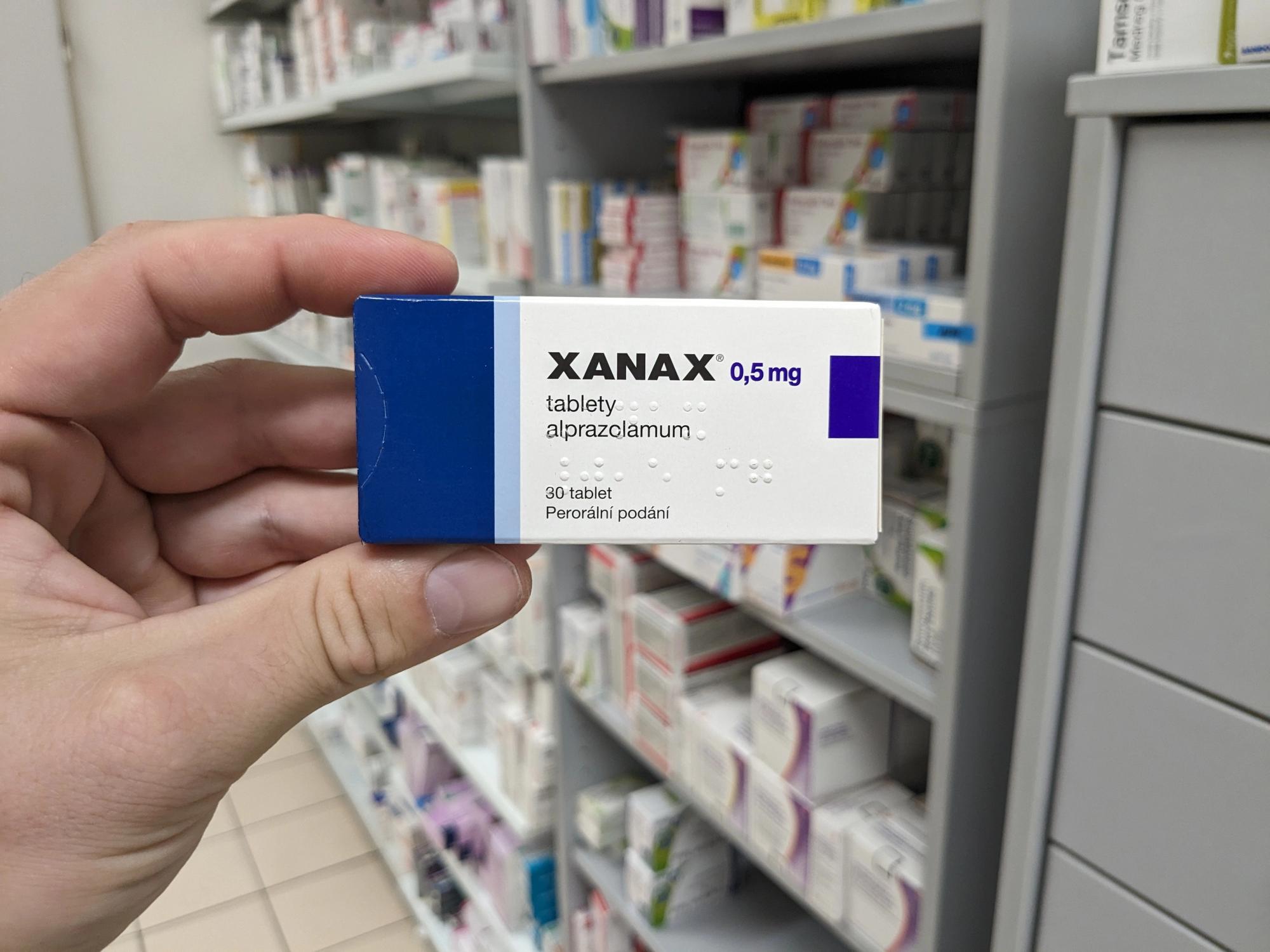
When benzodiazepines and GABA interact, GABA works more efficiently to inhibit signals of excitation. Valium acts quickly once administered and has a longer duration of action than other shorter-acting benzodiazepines, like alprazolam.1,4
Explore Benzodiazepines Treatment Centers
What Are the Effects of Valium?
CNS depressants like Valium have an overall calming effect on the body.1 However, taking too much Valium can have potentially dangerous effects, particularly when combined with other CNS depressants like alcohol or opioids.4
Short-term effects of benzodiazepines like Valium can include, but are not limited to:1,5
- Drowsiness.
- Slurred speech.
- Poor concentration.
- Confusion.
- Dizziness.
- Issues with movement and memory.
- Slowed breathing.
Some of the more serious effects of Valium can include:1
- Extremely slowed breathing.
- Suicidal thoughts.
- Increased risk of substance abuse.
- Development of dependency.
- Dangerous withdrawal symptoms.
- Complete dysfunction of the heart and circulatory system.
- Dangerously slow heart rate.
- Low blood pressure.
- Fainting.
Is Valium Addictive?
Yes, Valium and other benzodiazepines carry the potential for misuse, dependence, and addiction, clinically referred to as a substance use disorder (SUD).1
Even when Valium is prescribed by a doctor, people can become dependent on it, which is why it’s recommended for short-term use only.4
Dependence occurs when the body makes physiological adaptations to a substance, such as Valium. As the body grows accustomed to the presence of Valium in the system, a person can experience withdrawal symptoms when they reduce their usual dose or quit Valium entirely. Physiological dependence often causes a person to continue to compulsively use Valium or other drugs to avoid uncomfortable withdrawal symptoms.5
Although benzodiazepine prescribing has declined since 2018, millions of Americans continue to receive these medications, and their widespread availability may increase opportunities for diversion and non-medical use.6
What Is Valium Misuse?
Valium misuse refers to taking Valium in a way other than prescribed or using it without a prescription. This can include taking higher doses than directed, using it more often or for longer than prescribed, taking someone else's medication, or using it to experience euphoric effects.7
Valium misuse can increase the risk of side effects, dependence, overdose, and other serious health consequences.7
Examples of Valium misuse include:7
- Taking larger doses of Valium than prescribed
- Taking Valium more frequently than directed
- Long-term use of Valium after a prescription has ended.
- Taking someone else's Valium prescription.
- Using Valium without a prescription.
- Using Valium to feel relaxed, sedated, or euphoric.
- Combining Valium with alcohol, opioids, or other substances to enhance their effects.
- Using Valium for reasons other than those approved by a healthcare provider.
Signs of Valium Addiction
Valium addiction is classified as a sedative, hypnotic, or anxiolytic use disorder in the Diagnostic and Statistical Manual of Mental Disorders, 5th Edition (DSM-5).8
When a person experiences at least two of the following criteria in 12 months, it can indicate the need to seek professional help:8
- Taking more Valium than was previously intended.
- Being unable to cut down or control Valium use despite multiple attempts.
- Spending increasing amounts of time obtaining, using, and recovering from Valium use.
- Having Valium cravings.
- Continuing to use Valium despite consequences at home, work, or school.
- Experiencing persistent social or relational problems due to Valium use.
- Giving up activities you previously valued in favor of Valium use.
- Repeatedly using Valium in physically dangerous situations (such as driving a car).
- Continuing to use Valium despite persistent physical or psychological. problems caused by Valium use.
- Developing tolerance.
- Experiencing withdrawal symptoms.
Keep in mind, Valium addiction can only be diagnosed by a licensed medical professional; however, the criteria may help identify the severity of a person’s Valium misuse.
Valium Withdrawal Symptoms
Valium withdrawal symptoms occur when a person who is physically dependent on the drug stops using it abruptly or decreases their usual dose.8
Benzodiazepine withdrawal symptoms can be extremely uncomfortable and potentially fatal.1 Therefore, once benzodiazepine dependence develops, it can be immensely difficult to stop using them without medical or professional assistance.
Withdrawal symptoms for benzodiazepines like Valium can include the following:1,4
- Tremors.
- Anxiety.
- Changes in sense of perception.
- General feelings of unease.
- Psychosis.
- Increased agitation or irritation.
- Feeling restless.
- Sweating.
- Headache.
- Confusion.
- Muscle spasms and body aches.
- Digestive disturbances and vomiting.
- Hallucinations.
- Seizures.
While they are less common, seizures during benzodiazepine withdrawal can be life-threatening. A longer history of Valium use, Valium use at higher doses, and abrupt cessation of taking Valium can increase the chances of experiencing withdrawal seizures and other dangerous symptoms.1,4
Valium Overdose
If you think that someone has overdosed on Valium or another substance, call 9-1-1 to get help immediately. Making this call may be the difference between life and death.
Though it’s possible to overdose on benzodiazepines alone, the majority of benzodiazepine deaths occur when other substances are being simultaneously consumed.9 Specifically, combining Valium with alcohol, opioids, or other benzodiazepines significantly increases a person’s risk of overdose.1,9
In 2020, 91% of benzodiazepine overdose deaths involved opioids.10 Benzodiazepines and opioids can have similar effects and slow down the body’s basic functions.1,9 For example, a person taking Valium with opioids may experience severe respiratory depression, which can quickly lead to coma or even death.1,4,9
Valium Addiction Treatment
If you or a loved one is struggling with Valium addiction or benzodiazepine misuse, several effective treatment options are available.
Because Valium withdrawal can be dangerous and, in some cases, life-threatening, medical detox is often recommended as one of the first steps in treatment.11
Medical detox is a supervised process in which healthcare professionals help people safely stop using a substance while managing withdrawal symptoms and monitoring for complications. This is especially important for people who have been taking benzodiazepines regularly or for an extended period of time.11
During detox, a healthcare provider may gradually reduce a person's Valium dose through a tapering schedule to lessen the intensity of withdrawal symptoms and reduce the risk of severe complications.11 In some cases, other medications, such as different benzodiazepines or phenobarbital, may be used as part of the tapering process.11
While detox can help people safely discontinue Valium, it doesn’t address the underlying causes of addiction. After detox, many people benefit from continuing treatment in an inpatient or outpatient rehab program, where they can develop coping skills, address co-occurring disorders, and build a foundation for long-term recovery.11
Inpatient treatment involves living at a treatment facility and receiving 24-hour care and support. This level of care is often recommended for people with severe substance use disorders, co-occurring mental health conditions, or a history of relapse.12
Outpatient treatment allows people to live at home while attending treatment sessions on a scheduled basis. Programs vary in intensity, ranging from a few hours per week to several hours per day. Like inpatient care, outpatient programs can provide evidence-based therapies, medical support, and recovery planning while offering greater flexibility for work, school, and family responsibilities.12
Following a treatment program, you might participate in various aftercare activities. Aftercare refers to the ongoing support a person receives after completing detox or a formal treatment program. It can help people maintain progress, reduce the risk of relapse, and stay connected to recovery-focused resources.
Aftercare may include regular therapy, support groups, medication management, alumni programs, relapse prevention planning, and sober living. Sober living homes provide structured, substance-free housing where people can continue building healthy routines and accountability as they transition back to daily life.13
Find Treatment Centers for Valium Misuse and Benzodiazepine Addiction
If you or someone you love is struggling with Valium misuse or benzodiazepine addiction, professional help is available. Because withdrawal can be dangerous, it's important to seek guidance from qualified healthcare providers who can help you find the safest path forward.
Recovery.com can help you or a loved one find treatment centers that offer supervised detox, inpatient rehab, outpatient programs, and long-term aftercare for benzodiazepine addiction. Explore treatment providers near you and take the first step toward recovery today.
FAQs
Yes. Valium (diazepam) can be addictive, especially when it is misused or taken for longer than prescribed. Even people who take Valium exactly as directed can develop physical dependence over time, which may lead to withdrawal symptoms when they stop taking the medication.1
Common signs of Valium addiction include taking larger doses than intended, being unable to cut back despite wanting to, experiencing cravings, spending significant time obtaining or using Valium, and continuing to use it despite negative consequences at work, school, home, or in relationships.8
Yes, it is possible to overdose on Valium. The risk is especially high when Valium is combined with other central nervous system depressants, such as alcohol, opioids, or other benzodiazepines. Symptoms of an overdose can include extreme drowsiness, slowed breathing, loss of consciousness, coma, and death.4
No. Stopping Valium abruptly can cause withdrawal symptoms, including anxiety, tremors, hallucinations, and seizures. Because benzodiazepine withdrawal can be dangerous, people who have been taking Valium regularly should speak with a healthcare provider before reducing or stopping their use.10
Treatment for Valium addiction may include medical detox, inpatient rehab, outpatient treatment, therapy, support groups, and aftercare services. The right treatment plan depends on a person's needs, substance use history, mental health, and recovery goals.11,12,13

















Our Promise
How Is Recovery.com Different?
We believe everyone deserves access to accurate, unbiased information about mental health and recovery. That's why we have a comprehensive set of treatment providers and don't charge for inclusion. Any center that meets our criteria can list for free. We do not and have never accepted fees for referring someone to a particular center. Providers who advertise with us must be verified by our Research Team and we clearly mark their status as advertisers.
Our goal is to help you choose the best path for your recovery. That begins with information you can trust.