Find Treatment By
Rehabs by Location


Find Treatment By
Learn
About Us
Recovery.com combines independent research with expert guidance on addiction and mental health treatment. Our mission is to help everyone find the best path to recovery through the most comprehensive, helpful network of treatment providers worldwide.
Advisory Council
Our advisory council brings together leaders in behavioral health, technology, and business. Their diverse expertise ensures our resources and product are innovative, evidence-based, and effective. They guide our mission as accomplished individuals dedicated to improving the landscape of addiction recovery and mental wellness.
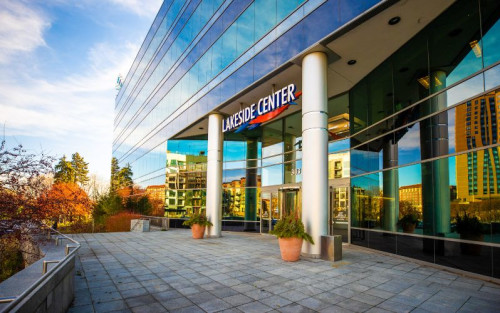
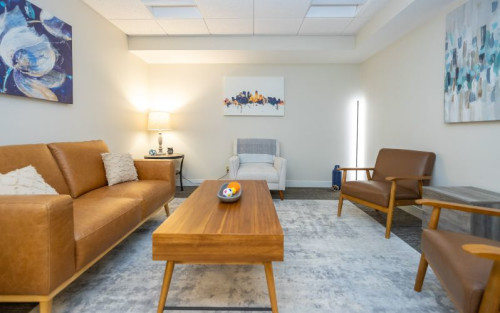
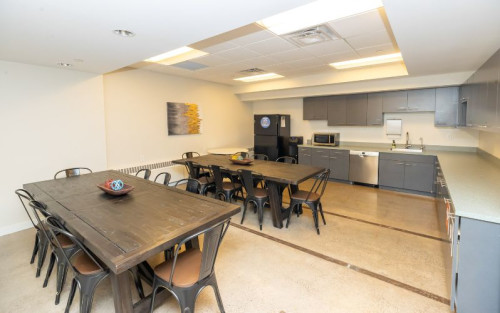
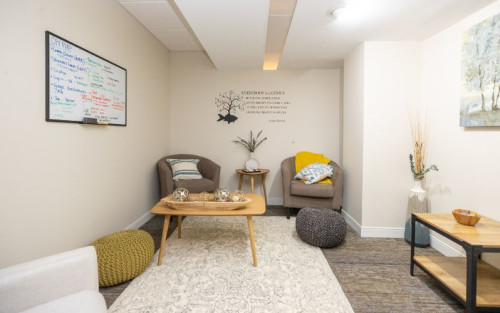

Center For Families Minneapolis
Verified Center
This provider's information has been quality-checked by Recovery.com's Research Team for accuracy and completeness, including center verification through appropriate third-party organizations.
Treatment Focus
This center treats mental health conditions and co-occurring substance use. You receive collaborative, individualized treatment that addresses both issues for whole-person healing.
Primary Level of Care
Outpatient treatment offers flexible therapeutic and medical care without the need to stay overnight in a hospital or inpatient facility. Some centers offer intensive outpatient program (IOP), which falls between inpatient care and traditional outpatient service.
Treatment Focus
This center treats mental health conditions and co-occurring substance use. You receive collaborative, individualized treatment that addresses both issues for whole-person healing.
Primary Level of Care
Outpatient treatment offers flexible therapeutic and medical care without the need to stay overnight in a hospital or inpatient facility. Some centers offer intensive outpatient program (IOP), which falls between inpatient care and traditional outpatient service.
Provider's Policy
The insurances listed represent the current in-network partners for this location. While not shown here, Newport also accepts many out-of-network plans and are happy to work with you to explore coverage options.
Center For Families Minneapolis
Center For Families Minneapolis
About Center For Families Minneapolis
Center for Families Minneapolis, a program within the Newport Healthcare family, offers individualized outpatient care and education to adolescents ages 13-18 and their families. They treat mental and behavioral health and substance use challenges. Through a continuum of therapy that includes a therapeutic day program (PHP), intensive outpatient program (IOP), and outpatient care, they guide teens and families into long-lasting healing. Academic support provides collaboration with schools, special education teachers, tutors, and help with applying to college.
Personalized And Empowering Treatment
Diagnostic assessments help guide the unique treatment of each teen. The accredited and professional staff at Centers for Families help ensure each aspect of patients’ needs is met and in a healing and empowering way. Their multidisciplinary staff includes child and adolescent psychiatrist, psychologist, family therapists, nurses, dieticians, and adventure therapists. Holistic therapies work alongside clinical and evidence-based care to give well-rounded treatment. Their Minneapolis location connects teens to activities on the Bde Maka Ska lake, like kayaking. Centers for Families Minneapolis also works closely with advisors from the Trevor Project to provide inclusive, affirming care for LGBTQ+ patients.
Family Involvement
Family involvement is a key component of Center for Families. Their mission is to restore trust and communication with their loved ones. A stand-out feature of the program includes a peer-facilitation program led by parents with first-hand experience with the challenges of both substance use and mental health. Here, families can learn about these challenges through a parent's view and gain the extra tools to support their loved one during healing.
Academic Support
For adolescents ages 13-18, treatment begins with guided support through individual therapy, art and music therapy, and focus groups. Their PHP combines with their therapeutic day school, which pairs one-on-one counseling with specialized tutors so teens can stay on track with academics. Teens have 4+ hours of academic time daily. Centers for Families’ IOP allows teenagers to continue in traditional school and receive continuous care within a caring community. Their location in Minneapolis connects teens to fun adventure therapies in the city and in nature.
Highlights from the Center
Highlights
These highlights are provided by and paid for by the center.
Certified Professionals
Mental Health Disorder Treatment
Adolescents
Accredited
Center Overview
Treatment Focus
This center treats mental health conditions and co-occurring substance use. You receive collaborative, individualized treatment that addresses both issues for whole-person healing.
Joint Commission Accredited
The Joint Commission accreditation is a voluntary, objective process that evaluates and accredits healthcare organizations (like treatment centers) based on performance standards designed to improve quality and safety for patients. To be accredited means the treatment center has been found to meet the Commission's standards for quality and safety in patient care.

Insurance Accepted




Cash Pay Rates
Estimated Cash Pay Rate
Center pricing can vary based on program and length of stay. Contact the center for more information. Recovery.com strives for price transparency so you can make an informed decision.



Our Centers

Recovery.com Verified Listing
Recovery.com verified that the name, location, contact information and license to operate for this treatment provider are valid and up-to-date.
Joint Commission Accredited

Licensed by Minnesota
Recovery.com is an independent, third-party mental health resource. Verification does not imply endorsement and does not guarantee the quality of treatment services.
Meet Your Care Team

Catherine Mayer
Director, Outpatient Services
MHA

June Farlam
Clinical Supervisor
MSW, LSW

Dr. Elena Pena-Ariet
Psychiatrist
MD
Julia Meeker
Clinical Liaison
LPC, NCC, ATR-P
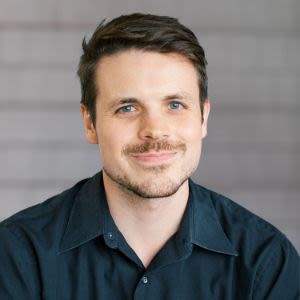
Conor Quinn
Certified Psychiatric Mental Health Nurse Practitioner
CNP
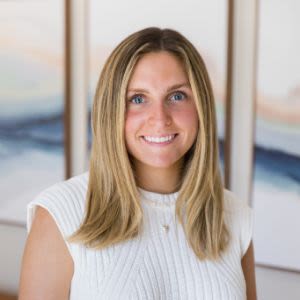
Logan Day
Primary Therapist
MSS, LSW
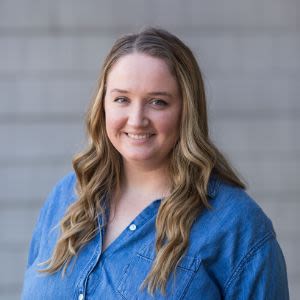
Hayley Addesa
Primary and Eating Disorder Therapist
MA, NCC, LPC
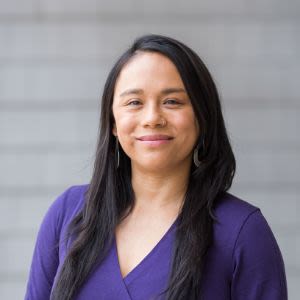
Emily Slook
Primary Therapist
MSW, LSW
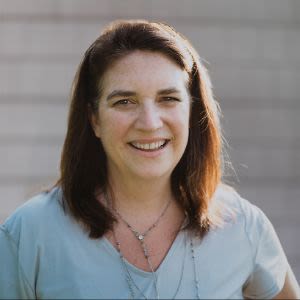
Jan Bookwalter
Adventure Therapist
CTRS
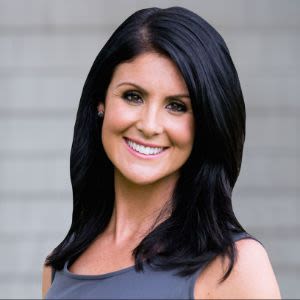
Natalie Loschiavo
Dietitician
RD, LDN, RYT
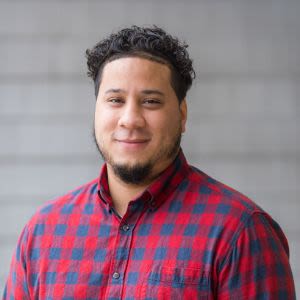
Adam Martell
Lead Care Coordinator
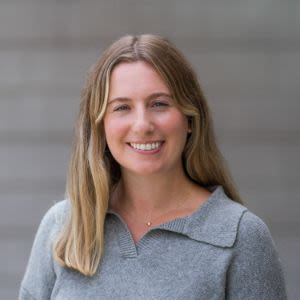
Emily Grant
Education Supervisor
M.Ed
Your Care Options
Specializations
Adolescents
Teens receive the treatment they need for mental health disorders and addiction, with the added support of educational and vocational services.
Anger
Although anger itself isn't a disorder, it can get out of hand. If this feeling interferes with your relationships and daily functioning, treatment can help.
Anxiety
Anxiety is a common mental health condition that can include excessive worry, panic attacks, physical tension, and increased blood pressure.
Depression
Symptoms of depression may include fatigue, a sense of numbness, and loss of interest in activities. This condition can range from mild to severe.
Family Therapy
Family therapy addresses group dynamics within a family system, with a focus on improving communication and interrupting unhealthy relationship patterns.
Licensed Primary Mental Health
Some primary care providers offer mental health diagnosis and treatment. This can prevent patients from developing more serious conditions.
Post Traumatic Stress Disorder
PTSD is a long-term mental health issue caused by a disturbing event or events. Symptoms include anxiety, dissociation, flashbacks, and intrusive thoughts.
Trauma
Some traumatic events are so disturbing that they cause long-term mental health problems. Those ongoing issues can also be referred to as "trauma."
Who We Treat
Adolescents
Teens receive the treatment they need for mental health disorders and addiction, with the added support of educational and vocational services.
Children
Treatment for children incorporates the psychiatric care they need and education, often led by on-site teachers to keep children on track with school.
Young Adults
Emerging adults ages 18-25 receive treatment catered to the unique challenges of early adulthood, like college, risky behaviors, and vocational struggles.
LGBTQ+
Addiction and mental illnesses in the LGBTQ+ community must be treated with an affirming, safe, and relevant approach, which many centers provide.
Treatment Services
Day Treatment
In a PHP, patients live at home but follow an intensive schedule of treatment. Most programs require you to be on-site for about 40 hours per week.
Intensive Outpatient Program
In an IOP, patients live at home or a sober living, but attend treatment typically 9-15 hours a week. Most programs include talk therapy, support groups, and other methods.
Licensed Primary Mental Health
Some primary care providers offer mental health diagnosis and treatment. This can prevent patients from developing more serious conditions.
Outpatient
During outpatient rehab, patients attend a structured treatment program while continuing to live at home.
Approaches
Evidence-Based
A combination of scientifically rooted therapies and treatments make up evidence-based care, defined by their measured and proven results.
Experiential
Expressive tools and therapies help patients process past situations, learn more about themselves, and find healing through action.
Family Involvement
Providers involve family in the treatment of their loved one through family therapy, visits, or both–because addiction is a family disease.
Individual Treatment
Individual care meets the needs of each patient, using personalized treatment to provide them the most relevant care and greatest chance of success.
Therapies
1-on-1 Counseling
Patient and therapist meet 1-on-1 to work through difficult emotions and behavioral challenges in a personal, private setting.
Art Therapy
Visual art invites patients to examine the emotions within their work, focusing on the process of creativity and its gentle therapeutic power.
Experiential Therapy
With this approach, patients heal by doing. Therapists help patients process difficult emotions to speak, using guided activities like art or dance.
Eye Movement Therapy (EMDR)
Lateral, guided eye movements help reduce the emotional reactions of retelling and reprocessing trauma, allowing intense feelings to dissipate.
Family Therapy
Family therapy addresses group dynamics within a family system, with a focus on improving communication and interrupting unhealthy relationship patterns.
Life Skills
Teaching life skills like cooking, cleaning, clear communication, and even basic math provides a strong foundation for continued recovery.
Languages
Conditions We Treat
ADHD, ADD
ADHD is a common mental health condition caused by dopamine imbalance. Common symptoms include inattention, hyperactivitiy, and impulsivity.
Anger
Although anger itself isn't a disorder, it can get out of hand. If this feeling interferes with your relationships and daily functioning, treatment can help.
Anxiety
Anxiety is a common mental health condition that can include excessive worry, panic attacks, physical tension, and increased blood pressure.
Bipolar
This mental health condition is characterized by extreme mood swings between depression, mania, and remission.
Depression
Symptoms of depression may include fatigue, a sense of numbness, and loss of interest in activities. This condition can range from mild to severe.
Eating Disorders
An eating disorder is a long-term pattern of unhealthy behavior relating to food. Most people with eating disorders have a distorted self-image.
Internet Addiction
Internet addiction is common among children teens. This compulsive disorder can damage relationships, school performance, sleep habits, and physical health.
Obsessive Compulsive Disorder (OCD)
OCD is characterized by intrusive and distressing thoughts that drive repetitive behaviors. This pattern disrupts daily life and relationships.
Post Traumatic Stress Disorder
PTSD is a long-term mental health issue caused by a disturbing event or events. Symptoms include anxiety, dissociation, flashbacks, and intrusive thoughts.
Substances We Treat
Alcohol
Using alcohol as a coping mechanism, or drinking excessively throughout the week, signals an alcohol use disorder.
Co-Occurring Disorders
A person with multiple mental health diagnoses, such as addiction and depression, has co-occurring disorders also called dual diagnosis.
Drug Addiction
Drug addiction is the excessive and repetitive use of substances, despite harmful consequences to a person's life, health, and relationships.
Psychedelics
Hallucinogenic drugs—like LSD—cause euphoria and increased sensory experiences. When abused, they can lead to depression and psychosis.
Synthetic Drugs
Synthetic drugs are made in a lab, unlike plant-based drugs like mushrooms. Most synthetic drugs are either stimulants or synthetic cannabinoids.
Care Designed for Your Needs
Special Considerations
Activities
Off-Site Amenities
Smoking and Vaping Policy
Learn More About the Center
Minneapolis Location Overview
Find out more about Center for Families’ Minneapolis location, including what they offer and amenities.
The Recovery Team
Check out the professionals offering expert treatment at Centers for Families.
Groups for Parents
Learn more about the specific groups for parents hosted by Centers for Families.
More About Day School
Centers for Families provides a therapeutic day school, offered for teens in their day program.