Find Treatment By
Rehabs by Location


Find Treatment By
Learn
About Us
Recovery.com combines independent research with expert guidance on addiction and mental health treatment. Our mission is to help everyone find the best path to recovery through the most comprehensive, helpful network of treatment providers worldwide.
Advisory Council
Our advisory council brings together leaders in behavioral health, technology, and business. Their diverse expertise ensures our resources and product are innovative, evidence-based, and effective. They guide our mission as accomplished individuals dedicated to improving the landscape of addiction recovery and mental wellness.


Castle Craig
Verified Center
This provider's information has been quality-checked by Recovery.com's Research Team for accuracy and completeness, including center verification through appropriate third-party organizations.
Treatment Focus
This center treats substance use disorders and co-occurring mental health conditions. Your treatment plan addresses each condition at once with personalized, compassionate care for comprehensive healing.
Primary Level of Care
Offering intensive care with 24/7 monitoring, residential treatment is typically 30 days and can cover multiple levels of care. Length can range from 14 to 90 days typically.
Treatment Focus
This center treats substance use disorders and co-occurring mental health conditions. Your treatment plan addresses each condition at once with personalized, compassionate care for comprehensive healing.
Primary Level of Care
Offering intensive care with 24/7 monitoring, residential treatment is typically 30 days and can cover multiple levels of care. Length can range from 14 to 90 days typically.
Provider's Policy
Our admissions team will ask you for your insurance member number, and submit a funding request form on your behalf. We will handle all of the administration and will liaise directly with your insurance provider, we understand this is a stressful time and want to make the process as easy as possible. All insurance-funded patients will stay in a private room.
Castle Craig
Castle Craig
About Castle Craig
Castle Craig is a world-renowned residential rehab clinic treating substance addiction, gambling and gaming addiction, and co-occurring conditions like depression, anxiety, burnout, trauma, relationship issues, and eating disorders. Their clinical team conducts a medical examination upon arrival to tailor treatment to client needs. They offer medical detox as needed. Castle Craig is part of the Castle Health Group, including Smarmore Castle in Ireland, Stockholms Beroendeklinik, CATCH Recovery in London, and Castle Craig Nederlands.
Treatment Approach
Castle Craig's vision of recovery goes beyond helping clients when they are in treatment—it aims for long-lasting results. Their 28+-day programme encompasses a range of therapeutic tools to treat the root of the condition(s). Their abstinence-based, evidence-based treatment follows 12-Step philosophy and incorporates individual therapy and group therapy. Complementary therapies include equine therapy, creative writing, and hyperbaric oxygen therapy. They offer trauma-informed therapy, eye movement desensitisation and reprocessing (EMDR), and PTSD-specific therapy.
Family Treatment and Aftercare
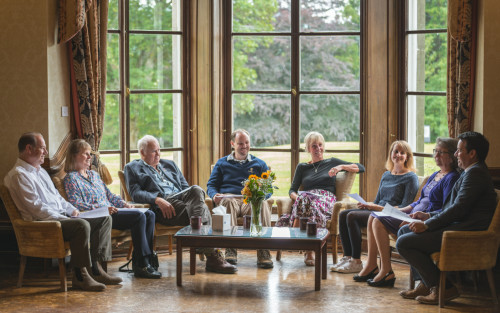
Castle Craig offers a robust family programme and intervention services with a trained interventionist. Their aftercare includes a comprehensive 24-week programme, offering individual and group therapy sessions, relapse prevention planning, skill building, support network integration, and a holistic wellness focus. All clients can join the Recovery Club, dedicated to improving life quality and relationship building by providing accountability through routine check-ins, an annual reunion, an alumni group chat, and a support line. Additional services like sober transport and retreats are also available, with the aim to support a smooth transition from rehab to everyday life.
Private Location
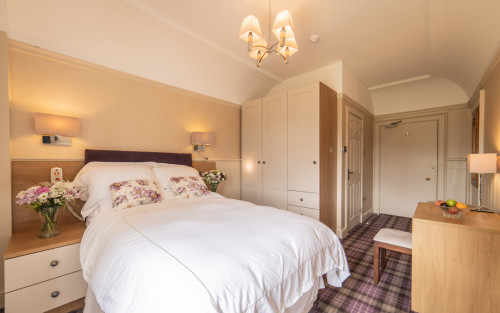
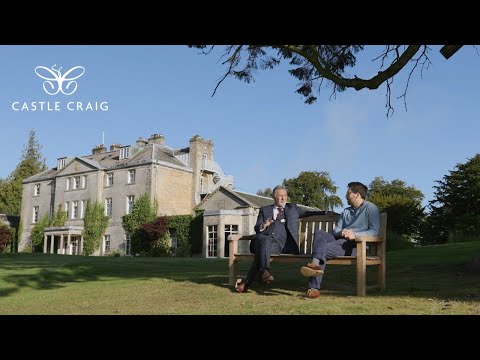
Built in 1798, Castle Craig’s mansion retains many original features, including magnificent fireplaces, marble pillars, and exquisitely carved panelling. Since it was purchased by the McCanns in 1988, it’s been fully renovated to fulfill all necessary requirements of a leading treatment center in the UK. Castle Craig is set on 50 acres of woodland and gardens with plenty of space for activities and therapies such as yoga, equine therapy, alpaca walks, nature walks, fitness activities, and outdoor therapy. Spa services include acupuncture, aromatherapy, and massage. Clients enjoy outings such as hiking. Castle Craig undergoes rigorous inspections by Intertek, an independent quality improvement inspectorate.
Insurance and Payment
Castle Craig accepts private pay and insurance from:
- Cigna
- GeoBlue
- Allianz
- AXA Health
- Bupa
- Healix
- Henner
- Tricare
- WPA
Castle Craig works directly with the insurance provider to make the process as easy as possible. All insurance-funded clients stay in private rooms.
Highlights from the Center
Highlights
These highlights are provided by and paid for by the center.
Equine Therapy
Therapeutic Location
Bespoke With Exclusive Staff
Utmost Confidentiality
Center Overview
Treatment Focus
This center treats substance use disorders and co-occurring mental health conditions. Your treatment plan addresses each condition at once with personalized, compassionate care for comprehensive healing.

Insurance Accepted



Cash Pay Rates
Estimated Cash Pay Rate
Center pricing can vary based on program and length of stay. Contact the center for more information. Recovery.com strives for price transparency so you can make an informed decision.
Luxury rehab centers offer a unique blend of luxurious amenities and high-quality treatment. From private suites to gourmet dining, personal trainers to spa treatments, these facilities provide a high level of comfort and discretion.
Top 50 Rehabs in the World
Meet Your Care Team

Dominic McCann
Chief Executive Officer
MA

Teri Lyn Fairnie
Lead Family Therapist
MS Mental Health Counselling, BACP Member

Tony Marini
Senior Specialist Therapist
Diploma in integrated Counselling, BACP Practitioner Member, Postgraduate Diploma in Person-Centered Psychotherapy

Dr. Peter McCann
Medical Director
MBBS, MSc, MRCPsych
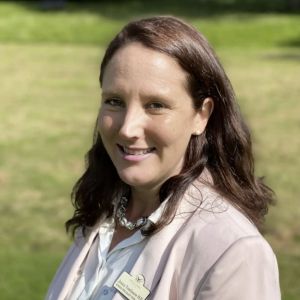
Jessica Tomlinson Hill
Lead Therapist
EMDR Therapist, Masters Degree in Occupational Therapy

Paul Shannon
Senior Recovery Advocate

David Kilgour
Fitness Manager

Dawn Dixon
Head Nurse

Andrei Zamfir
Admissions Manager
BChD


Levels of Care


Your Care Options
Specializations
Alcohol
Using alcohol as a coping mechanism, or drinking excessively throughout the week, signals an alcohol use disorder.
Detox
Detox fully and safely removes toxic substances from the body, allowing the next steps in treatment to begin with a clean slate.
Benzodiazepines
Benzodiazepines are prescribed to treat anxiety and sleep issues. They are highly habit forming, and their abuse can cause mood changes and poor judgement.
Co-Occurring Disorders
A person with multiple mental health diagnoses, such as addiction and depression, has co-occurring disorders also called dual diagnosis.
Cocaine
Cocaine is a stimulant with euphoric effects. Agitation, muscle ticks, psychosis, and heart issues are common symptoms of cocaine abuse.
Drug Addiction
Drug addiction is the excessive and repetitive use of substances, despite harmful consequences to a person's life, health, and relationships.
Gambling
Excessive, repetitive gambling causes financial and interpersonal problems. This addiction can interfere with work, friendships, and familial relationships.
Heroin
Heroin is a highly addictive and illegal opioid. It can cause insomnia, collapsed veins, heart issues, and additional mental health issues.
Who We Treat
Older Adults
Addiction and mental health treatment caters to adults 55+ and the age-specific challenges that can come with recovery, wellness, and overall happiness.
Co-Occurring Disorders
A person with multiple mental health diagnoses, such as addiction and depression, has co-occurring disorders also called dual diagnosis.
Executives
Executive treatment programs typically directly support the needs of people who manage businesses and may provide flexible schedules and office space to allow work during treatment.
LGBTQ+
Addiction and mental illnesses in the LGBTQ+ community must be treated with an affirming, safe, and relevant approach, which many centers provide.
Men and Women
Men and women attend treatment for addiction in a co-ed setting, going to therapy groups together to share experiences, struggles, and successes.
Mild Disabilities
Adults with mild physical or intellectual disabilities receive treatment catered to their specific needs in a safe and clinically supportive environment.
Professionals
Busy, high-ranking professionals get the personalized treatment they need with greater accommodations for work, privacy, and outside communication.
Approaches
Evidence-Based
A combination of scientifically rooted therapies and treatments make up evidence-based care, defined by their measured and proven results.
Holistic
A non-medicinal, wellness-focused approach that aims to align the mind, body, and spirit for deep and lasting healing.
Medical
Medical addiction treatment uses approved medications to manage withdrawals and cravings, and to treat contributing mental health conditions.
Minnesota Model
The Minnesota Model encourages abstinence and family-wide healing through the 12-Steps, group therapy, and individualized, psychological treatment.
Personalized Treatment
The specific needs, histories, and conditions of individual patients receive personalized, highly relevant care throughout their recovery journey.
Twelve Step
Incorporating spirituality, community, and responsibility, 12-Step philosophies prioritize the guidance of a Higher Power and a continuation of 12-Step practices.
Therapies
1-on-1 Counseling
Patient and therapist meet 1-on-1 to work through difficult emotions and behavioral challenges in a personal, private setting.
Acceptance and Commitment Therapy (ACT)
This cognitive behavioral therapy teaches patients to accept challenging feelings and make the appropriate changes to reach personal goals.
Animal Therapy
Animals can inspire trust and self-worth. In this experiential therapy, guided interactions are used to improve social skills and emotion regulation.
Aromatherapy
Inhaling or topically applying essential oils can help relieve stress, soothe pains, and relieve emotional distress.
Art Therapy
Visual art invites patients to examine the emotions within their work, focusing on the process of creativity and its gentle therapeutic power.
Couples Counseling
Partners work to improve their communication patterns, using advice from their therapist to better their relationship and make healthy changes.
Languages
Conditions We Treat
ADHD, ADD
ADHD is a common mental health condition caused by dopamine imbalance. Common symptoms include inattention, hyperactivitiy, and impulsivity.
Anger
Although anger itself isn't a disorder, it can get out of hand. If this feeling interferes with your relationships and daily functioning, treatment can help.
Anxiety
Anxiety is a common mental health condition that can include excessive worry, panic attacks, physical tension, and increased blood pressure.
Bipolar
This mental health condition is characterized by extreme mood swings between depression, mania, and remission.
Burnout
Burnout entails mental and physical exhaustion, and leads to a severe lack of fulfillment. This condition is often caused by overwork.
Chronic Pain Management
Long-term physical pain can have an affect on mental health. Without support, it can also impact your daily life and even lead to addiction.
Codependency
Codependency is a pattern of emotional dependence and controlling behavior. It's most common among people with addicted loved ones.
Depression
Symptoms of depression may include fatigue, a sense of numbness, and loss of interest in activities. This condition can range from mild to severe.
Gambling
Excessive, repetitive gambling causes financial and interpersonal problems. This addiction can interfere with work, friendships, and familial relationships.
Substances We Treat
Alcohol
Using alcohol as a coping mechanism, or drinking excessively throughout the week, signals an alcohol use disorder.
Benzodiazepines
Benzodiazepines are prescribed to treat anxiety and sleep issues. They are highly habit forming, and their abuse can cause mood changes and poor judgement.
Chronic Relapse
Consistent relapse occurs repeatedly, after partial recovery from addiction. This condition requires long-term treatment.
Co-Occurring Disorders
A person with multiple mental health diagnoses, such as addiction and depression, has co-occurring disorders also called dual diagnosis.
Cocaine
Cocaine is a stimulant with euphoric effects. Agitation, muscle ticks, psychosis, and heart issues are common symptoms of cocaine abuse.
Drug Addiction
Drug addiction is the excessive and repetitive use of substances, despite harmful consequences to a person's life, health, and relationships.
Ecstasy
Ecstasy is a stimulant that causes intense euphoria and heightened awareness. Abuse of this drug can trigger depression, insomnia, and memory problems.
Heroin
Heroin is a highly addictive and illegal opioid. It can cause insomnia, collapsed veins, heart issues, and additional mental health issues.
Aftercare
Care Designed for Your Needs
Personal Amenities
Amenities
Special Considerations
Healthy Meals are provided
Great food meets great treatment, with providers serving healthy meals to restore nutrition, wellbeing, and health.
Gender-specific groups
Patients in gender-specific groups gain the opportunity to discuss challenges unique to their gender in a comfortable, safe setting conducive to healing.
Activities
Yoga
Yoga is both a physical and spiritual practice. It includes a flow of movement, breathing techniques, and meditation.
What people are saying
Treatment
5.0
Accommodations
4.0
Food & Nutrition
3.5
Value
4.0
Chris
Treatment in 2024 • (45 days) • Reviewed 01/27/25
Former Client
•Supervisor
•Newcastle, UK