Find Treatment By
Rehabs by Location


Find Treatment By
Learn
About Us
Recovery.com combines independent research with expert guidance on addiction and mental health treatment. Our mission is to help everyone find the best path to recovery through the most comprehensive, helpful network of treatment providers worldwide.
Advisory Council
Our advisory council brings together leaders in behavioral health, technology, and business. Their diverse expertise ensures our resources and product are innovative, evidence-based, and effective. They guide our mission as accomplished individuals dedicated to improving the landscape of addiction recovery and mental wellness.



Burkwood Treatment Center
Verified Center
This provider's information has been quality-checked by Recovery.com's Research Team for accuracy and completeness, including center verification through appropriate third-party organizations.
Treatment Focus
This center treats substance use disorders and co-occurring mental health conditions. Your treatment plan addresses each condition at once with personalized, compassionate care for comprehensive healing.
Primary Level of Care
Offering intensive care with 24/7 monitoring, residential treatment is typically 30 days and can cover multiple levels of care. Length can range from 14 to 90 days typically.
Treatment Focus
This center treats substance use disorders and co-occurring mental health conditions. Your treatment plan addresses each condition at once with personalized, compassionate care for comprehensive healing.
Primary Level of Care
Offering intensive care with 24/7 monitoring, residential treatment is typically 30 days and can cover multiple levels of care. Length can range from 14 to 90 days typically.
Provider's Policy
Please call our admissions team for more information on insurance coverage. A knowledgeable member of our team can answer any financial questions you might have, and they can also reach out directly to your insurance carrier to verify and maximize your benefits. This service is free and puts you under no obligation to choose our programming.
Burkwood Treatment Center
Burkwood Treatment Center
About Burkwood Treatment Center
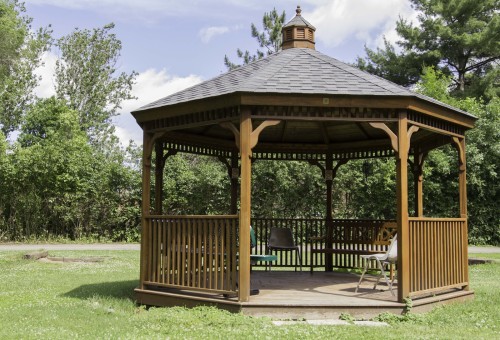
Burkwood Treatment Center provides residential and outpatient care for addiction and co-occurring mental health conditions. Set on 3 acres, they offer a private space to begin recovery. They use a range of evidence-based therapies, psychiatric interventions, and peer groups to address addiction and its root causes. Their levels of care include residential and intensive outpatient (IOP) with day and evening sessions, plus access to sober living.
Evidence-Based Therapies Led by Experienced Staff
Burkwood Treatment Center’s staff includes a psychiatrist, nurses, counselors, behavioral health technicians, and a dietician. All work collaboratively to create personalized treatment plans, starting with an initial pre-treatment evaluation. They have a 1:8 counselor-to-client ratio and provide 1:1 counseling at least once a week. Clients also participate in various group sessions, including process groups, skills groups, activity groups (trips to a nearby State Park, men's and women’s yoga), guided imagery, and psychodrama.
Unique MAAEZ and Way of Life System for Burkwood Patients
Burkwood Treatment Center uses the MAAEZ (Making Alcoholics Anonymous Easier) program, which blends traditional 12-Step practices and emerging evidence-based therapies. They also use their Way of Life system, which further combines the 12 Steps and other evidence-based therapies uniquely for clients of Burkwood Treatment Center. Way of Life draws on the 12 Steps, cognitive behavioral therapy (CBT), Gestalt therapy, and more to provide step-by-step guidance throughout treatment. Burkwood Treatment Center additionally offers eye movement desensitization and reprocessing (EMDR) to address co-occurring trauma and post-traumatic stress disorder (PTSD).
Co-Occurring Disorder Treatment and Flexible Outpatient Care
Burkwood Treatment Center treats co-occurring mental health conditions to help clients heal comprehensively. They treat anxiety disorders, depression, bipolar disorder, and PTSD. Burkwood Treatment Center’s intensive outpatient program has day and evening sessions for greater flexibility. Their day sessions occur on Mondays, Wednesdays, and Thursdays from 1-4 pm. Evening sessions take place Monday, Tuesday, and Thursday from 6-9 pm. Clients in IOP can live in Burkwood Treatment Center’s sober living homes or in their own home. After treatment, clients receive regular follow-ups attuned to their individualized discharge plan and have the option to transition into sober living. Burkwood Treatment Center is in the VA Community Care Network (CNN) and is served by Optum.
Highlights from the Center
Highlights
These highlights are provided by and paid for by the center.
Nature Lovers
12-Step Approach
20+ Years in Business
Center Overview
Treatment Focus
This center treats substance use disorders and co-occurring mental health conditions. Your treatment plan addresses each condition at once with personalized, compassionate care for comprehensive healing.
CARF Accredited
CARF stands for the Commission on Accreditation of Rehabilitation Facilities. It's an independent, non-profit organization that provides accreditation services for a variety of healthcare services. To be accredited means that the program meets their standards for quality, effectiveness, and person-centered care.

Insurance Accepted






Pricing and Program Length
Estimated Center Costs
The cost listed here ($20,000), is an estimate of program cost. Center price can vary based on program and length of stay. Contact the center for more information. Recovery.com strives for price transparency so you can make an informed decision.
Meet Your Care Team

Rachael Flohrs
Chief Executive Officer
MHA

Jodi Simmons
Director of Nursing

Kelly Maas
Clinical Director
MSE, LPC, SAS

Mallory Running
Admissions Director

Danielle Schwartz
Director of Human Resources
Gretchen Minikel
Director of Operations

Nolan Mulligan
Director of Business Development
Cooper Nord
Milieu Coordinator


Levels of Care


Your Care Options
Specializations
Alcohol
Using alcohol as a coping mechanism, or drinking excessively throughout the week, signals an alcohol use disorder.
Anxiety
Anxiety is a common mental health condition that can include excessive worry, panic attacks, physical tension, and increased blood pressure.
Co-Occurring Disorders
A person with multiple mental health diagnoses, such as addiction and depression, has co-occurring disorders also called dual diagnosis.
Cocaine
Cocaine is a stimulant with euphoric effects. Agitation, muscle ticks, psychosis, and heart issues are common symptoms of cocaine abuse.
Depression
Symptoms of depression may include fatigue, a sense of numbness, and loss of interest in activities. This condition can range from mild to severe.
Heroin
Heroin is a highly addictive and illegal opioid. It can cause insomnia, collapsed veins, heart issues, and additional mental health issues.
Opioids
Opioids produce pain-relief and euphoria, which can lead to addiction. This class of drugs includes prescribed medication and the illegal drug heroin.
Residential
In a residential rehab program, patients live onsite, with access to daily treatment and 24-hour care. An average stay is 30-90 days.
Who We Treat
Approaches
Evidence-Based
A combination of scientifically rooted therapies and treatments make up evidence-based care, defined by their measured and proven results.
Experiential
Expressive tools and therapies help patients process past situations, learn more about themselves, and find healing through action.
Individual Treatment
Individual care meets the needs of each patient, using personalized treatment to provide them the most relevant care and greatest chance of success.
Twelve Step
Incorporating spirituality, community, and responsibility, 12-Step philosophies prioritize the guidance of a Higher Power and a continuation of 12-Step practices.
Therapies
1-on-1 Counseling
Patient and therapist meet 1-on-1 to work through difficult emotions and behavioral challenges in a personal, private setting.
Experiential Therapy
With this approach, patients heal by doing. Therapists help patients process difficult emotions to speak, using guided activities like art or dance.
Eye Movement Therapy (EMDR)
Lateral, guided eye movements help reduce the emotional reactions of retelling and reprocessing trauma, allowing intense feelings to dissipate.
Twelve Step Facilitation
12-Step groups offer a framework for addiction recovery. Members commit to a higher power, recognize their issues, and support each other in the healing process.
Yoga
Yoga is both a physical and spiritual practice. It includes a flow of movement, breathing techniques, and meditation.
Languages
Conditions We Treat
Anxiety
Anxiety is a common mental health condition that can include excessive worry, panic attacks, physical tension, and increased blood pressure.
Codependency
Codependency is a pattern of emotional dependence and controlling behavior. It's most common among people with addicted loved ones.
Depression
Symptoms of depression may include fatigue, a sense of numbness, and loss of interest in activities. This condition can range from mild to severe.
Post Traumatic Stress Disorder
PTSD is a long-term mental health issue caused by a disturbing event or events. Symptoms include anxiety, dissociation, flashbacks, and intrusive thoughts.
Trauma
Some traumatic events are so disturbing that they cause long-term mental health problems. Those ongoing issues can also be referred to as "trauma."
Substances We Treat
Alcohol
Using alcohol as a coping mechanism, or drinking excessively throughout the week, signals an alcohol use disorder.
Benzodiazepines
Benzodiazepines are prescribed to treat anxiety and sleep issues. They are highly habit forming, and their abuse can cause mood changes and poor judgement.
Chronic Relapse
Consistent relapse occurs repeatedly, after partial recovery from addiction. This condition requires long-term treatment.
Co-Occurring Disorders
A person with multiple mental health diagnoses, such as addiction and depression, has co-occurring disorders also called dual diagnosis.
Cocaine
Cocaine is a stimulant with euphoric effects. Agitation, muscle ticks, psychosis, and heart issues are common symptoms of cocaine abuse.
Drug Addiction
Drug addiction is the excessive and repetitive use of substances, despite harmful consequences to a person's life, health, and relationships.
Heroin
Heroin is a highly addictive and illegal opioid. It can cause insomnia, collapsed veins, heart issues, and additional mental health issues.
Methamphetamine
Methamphetamine, or meth, increases energy, agitation, and paranoia. Long-term use can result in severe physical and mental health issues.