Find Treatment By
Rehabs by Location


Find Treatment By
Learn
About Us
Recovery.com combines independent research with expert guidance on addiction and mental health treatment. Our mission is to help everyone find the best path to recovery through the most comprehensive, helpful network of treatment providers worldwide.
Advisory Council
Our advisory council brings together leaders in behavioral health, technology, and business. Their diverse expertise ensures our resources and product are innovative, evidence-based, and effective. They guide our mission as accomplished individuals dedicated to improving the landscape of addiction recovery and mental wellness.

Arbor Wellness
Verified Center
This provider's information has been quality-checked by Recovery.com's Research Team for accuracy and completeness, including center verification through appropriate third-party organizations.
Treatment Focus
This center treats mental health conditions and co-occurring substance use. You receive collaborative, individualized treatment that addresses both issues for whole-person healing.
Primary Level of Care
Offering intensive care with 24/7 monitoring, residential treatment is typically 30 days and can cover multiple levels of care. Length can range from 14 to 90 days typically.
Treatment Focus
This center treats mental health conditions and co-occurring substance use. You receive collaborative, individualized treatment that addresses both issues for whole-person healing.
Primary Level of Care
Offering intensive care with 24/7 monitoring, residential treatment is typically 30 days and can cover multiple levels of care. Length can range from 14 to 90 days typically.
Provider's Policy
Arbor Wellness works with most major PPO & POS insurance plans to help cover the costs associated with treatment, and is in-network with select policies. To find out your coverage and benefits, please fill out our free insurance verification form. We currently do not accept Medicaid or Medicare plans, however, we do offer affordable cash pay rates.
About Arbor Wellness
Arbor Wellness is a Nashville-area mental health treatment center that helps adults facing issues like depression, anxiety, bipolar disorder, PTSD, personality disorders, schizophrenia, and co-occurring substance use feel supported and understood. With a full menu of care options, clients can step into the level of support that matches where they are in their journey.
Heal with a Gentle, Trauma-Informed Approach
From day one, clients are treated as partners in their own care. Therapists use a trauma-informed approach, assuming there’s a story behind the symptoms. Staff are intentionally mindful of language, avoiding labels that make people feel “broken,” and instead focusing on what clients have survived and how resilient they are. Sessions are grounded in compassion, with space for clients to share what it’s like to struggle in a culture where people don’t talk openly about mental health.
Heal in a Space that Feels Good
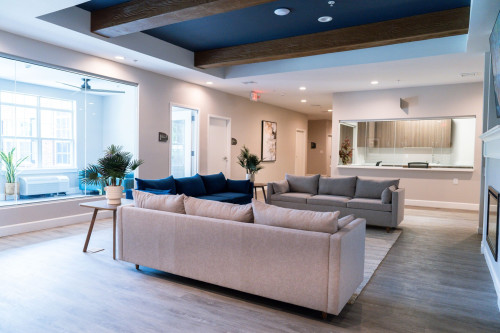
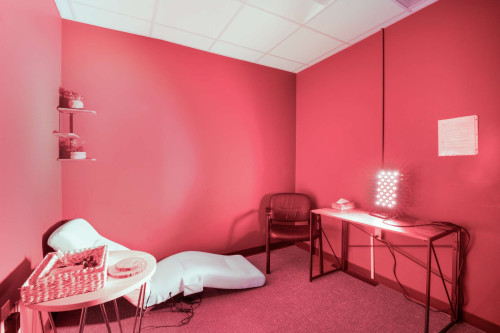
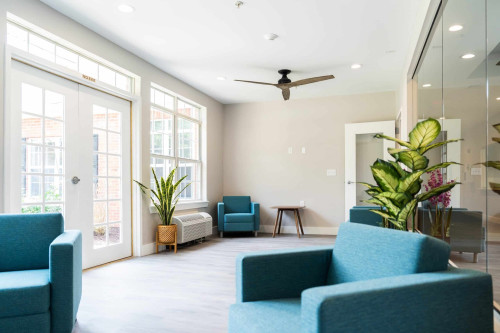
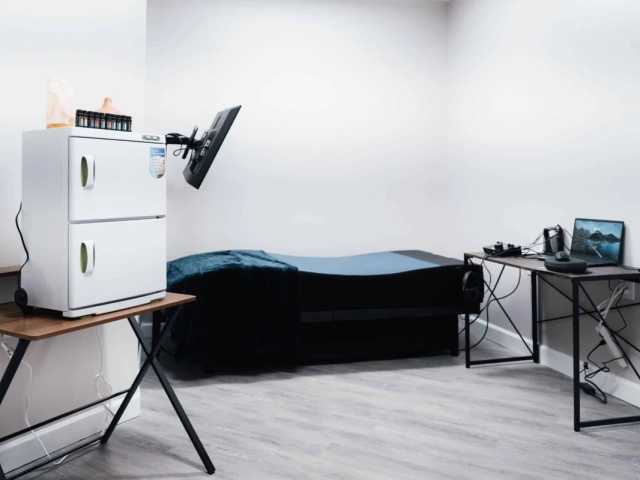
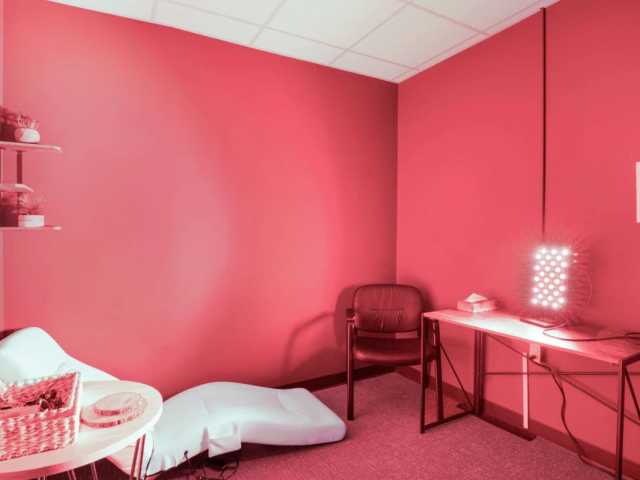
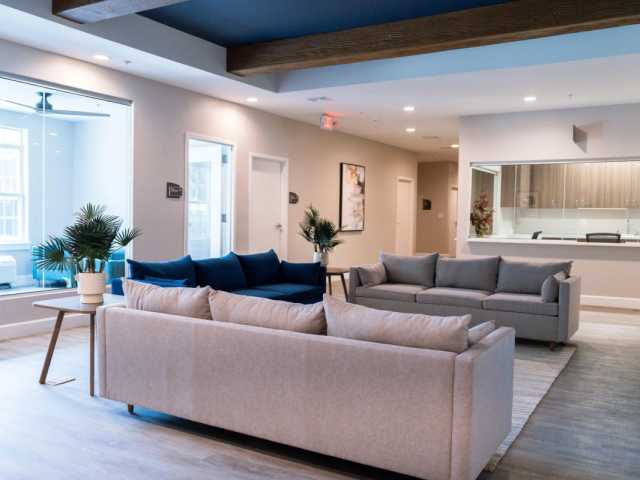
Clients stay in a modern setting with double or private rooms, chef-prepared meals, and plenty of space to breathe. They can enjoy relaxation areas, outdoor patios, and access to fitness activities so they can move their bodies as they heal. On top of that, clients have access to a range of restorative amenities like a gym, ice bath, sauna, bio-sound therapy bed, massage chair, red light therapy, sound baths, and Tai Chi.
Prevent Gaps in Care before They Happen
At Arbor Wellness, discharge is the start of the next chapter, and they’re intentional about helping clients prepare for life after treatment. Before leaving, every client works with the team to create a clear, structured aftercare plan that fits real life. That might include referrals for outpatient therapy or psychiatry, step-down care, medication management follow-ups, safety planning, and coordination with family.
Highlights from the Center
Highlights
These highlights are provided by and paid for by the center.
Wellness Emphasis
Certified Professionals
Mental Health Disorder Treatment
Trauma Treatment
Center Overview
Treatment Focus
This center treats mental health conditions and co-occurring substance use. You receive collaborative, individualized treatment that addresses both issues for whole-person healing.
Joint Commission Accredited
The Joint Commission accreditation is a voluntary, objective process that evaluates and accredits healthcare organizations (like treatment centers) based on performance standards designed to improve quality and safety for patients. To be accredited means the treatment center has been found to meet the Commission's standards for quality and safety in patient care.
Recently helped 2 people via Recovery.com

Insurance Accepted









Recovery.com Verified Listing
Recovery.com verified that the name, location, contact information and license to operate for this treatment provider are valid and up-to-date.
Joint Commission Accredited

Licensed by Tennessee
Recovery.com is an independent, third-party mental health resource. Verification does not imply endorsement and does not guarantee the quality of treatment services.
Meet Your Care Team

Michael White
Executive Director
MBA

Dr. Seth Thompson
Medical Director

Lindsay Pelletier
Clinical Director
LCSW

Savannah Hessling
Primary Therapist
LPC-MHSP (T)
Noah Schmidt
Primary Therapist

Tyler Jackson
Case Manager
Your Care Options
Specializations
Schizophrenia
Schizophrenia is a chronic mental health condition that can affect thinking, emotions, behavior, and perception of reality.
ADHD, ADD
ADD and ADHD are neurodevelopmental conditions that affect attention, focus, organization, and impulse control, often impacting daily life, school, work, and relationships.
Anxiety
Anxiety is a common mental health condition that can include excessive worry, panic attacks, physical tension, and increased blood pressure.
Bipolar
This mental health condition is characterized by extreme mood swings between depression, mania, and remission.
Co-Occurring Disorders
A person with multiple mental health diagnoses, such as addiction and depression, has co-occurring disorders also called dual diagnosis.
Depression
Symptoms of depression may include fatigue, a sense of numbness, and loss of interest in activities. This condition can range from mild to severe.
Post Traumatic Stress Disorder
PTSD is a long-term mental health issue caused by a disturbing event or events. Symptoms include anxiety, dissociation, flashbacks, and intrusive thoughts.
Trauma
Some traumatic events are so disturbing that they cause long-term mental health problems. Those ongoing issues can also be referred to as "trauma."
Who We Treat
Men and Women
Men and women attend treatment for addiction in a co-ed setting, going to therapy groups together to share experiences, struggles, and successes.
Treatment Services
Day Treatment
Also commonly called PHP, patients may live at home or in a recovery residence while following an intensive treatment program. Most have a weekly schedule of M–F and 4 to 6 hours per day.
Detox
Detox fully and safely removes toxic substances from the body, allowing the next steps in treatment to begin with a clean slate.
Intensive Outpatient Program
In an IOP, patients live at home or a sober living, but attend treatment typically 9-15 hours a week. Most programs include talk therapy, support groups, and other methods.
Licensed Primary Mental Health
Some primary care providers offer mental health diagnosis and treatment. This can prevent patients from developing more serious conditions.
Outpatient
During outpatient rehab, patients attend a structured treatment program while continuing to live at home.
Outpatient Therapy
Outpatient therapy offers scheduled counseling and treatment sessions without requiring an overnight stay or residential care.
Residential
In a residential rehab program, patients live onsite, with access to daily treatment and 24-hour care. An average stay is 30-90 days.
Approaches
Evidence-Based
A combination of scientifically rooted therapies and treatments make up evidence-based care, defined by their measured and proven results.
Holistic
A non-medicinal, wellness-focused approach that aims to align the mind, body, and spirit for deep and lasting healing.
Individual Treatment
Individual care meets the needs of each patient, using personalized treatment to provide them the most relevant care and greatest chance of success.
Twelve Step
Incorporating spirituality, community, and responsibility, 12-Step philosophies prioritize the guidance of a Higher Power and a continuation of 12-Step practices.
Therapies
1-on-1 Counseling
Patient and therapist meet 1-on-1 to work through difficult emotions and behavioral challenges in a personal, private setting.
Art Therapy
Visual art invites patients to examine the emotions within their work, focusing on the process of creativity and its gentle therapeutic power.
Biofeedback
Biofeedback teaches individuals to monitor and regulate physiological responses, such as heart rate and muscle tension, to improve health and well-being.
Dialectical Behavior Therapy
Dialectical Behavior Therapy teaches skills for managing emotions, improving relationships, tolerating distress, and increasing mindfulness.
Equine Therapy
Guided interactions with trained horses, their handler, and a therapist can help patients improve their self-esteem, trust, empathy, and social skills.
Group Therapy
Group therapy brings people together in a supportive setting to share experiences, develop skills, and work toward common goals.
Medication-Assisted Treatment
Combined with behavioral therapy, prescribed medications can enhance treatment by relieving withdrawal symptoms and focus patients on their recovery.
Music Therapy
Singing, performing, and even listening to music can be therapeutic. Music therapy sessions are facilitated by certified counselors.
Twelve Step Facilitation
12-Step groups offer a framework for addiction recovery. Members commit to a higher power, recognize their issues, and support each other in the healing process.
Languages
Conditions We Treat
ADHD, ADD
ADD and ADHD are neurodevelopmental conditions that affect attention, focus, organization, and impulse control, often impacting daily life, school, work, and relationships.
Anger
Although anger itself isn't a disorder, it can get out of hand. If this feeling interferes with your relationships and daily functioning, treatment can help.
Anxiety
Anxiety is a common mental health condition that can include excessive worry, panic attacks, physical tension, and increased blood pressure.
Bipolar
This mental health condition is characterized by extreme mood swings between depression, mania, and remission.
Burnout
Burnout entails mental and physical exhaustion, and leads to a severe lack of fulfillment. This condition is often caused by overwork.
Depression
Symptoms of depression may include fatigue, a sense of numbness, and loss of interest in activities. This condition can range from mild to severe.
Grief and Loss
Grief is a natural reaction to loss, but severe grief can interfere with your ability to function. You can get treatment for this condition.
Narcissism
Narcissism involves an inflated sense of self-importance and a strong need for admiration. Severe traits may affect relationships and emotional functioning.
Neurodiversity
Neurodiversity recognizes natural variations in how people think, learn, and process information, including conditions such as autism, ADHD, and dyslexia.
Substances We Treat
Alcohol
Using alcohol as a coping mechanism, or drinking excessively throughout the week, signals an alcohol use disorder.
Co-Occurring Disorders
A person with multiple mental health diagnoses, such as addiction and depression, has co-occurring disorders also called dual diagnosis.
Cocaine
Cocaine is a stimulant with euphoric effects. Agitation, muscle ticks, psychosis, and heart issues are common symptoms of cocaine use.
Drug Addiction
Drug addiction is the excessive and repetitive use of substances, despite harmful consequences to a person's life, health, and relationships.
Heroin
Heroin is a highly addictive opioid that produces feelings of euphoria and relaxation. Its use carries serious risks, including overdose and dependence.
Marijuana
Marijuana is a psychoactive substance derived from cannabis. It can affect mood, memory, coordination, and perception, with varying effects between individuals.
Methamphetamine
Methamphetamine is a powerful stimulant that increases energy and alertness. Repeated use can lead to addiction and significant physical and mental health risks.
Opioids
Opioids produce pain-relief and euphoria, which can lead to addiction. This class of drugs includes prescribed medication and the illegal drug heroin.
Prescription Drugs
It's possible to develop an addiction to any drug, even prescribed ones. If you crave a medication, or regularly take it more than directed, you may have an addiction.
Care Designed for Your Needs
Personal Amenities
Special Considerations
Gender-specific groups
Patients in gender-specific groups gain the opportunity to discuss challenges unique to their gender in a comfortable, safe setting conducive to healing.
Activities
Off-Site Activities
Off-Site Amenities
Smoking and Vaping Policy
Learn More About the Center
Taking Anti-Depressants when Not Depressed
Find out how taking anti-depressants when not depressed can impact the brain, mood, and long-term mental health.
Understanding Different Types of Treatment Centers
Navigate the often confusing world of detoxes, rehabs, and mental health facilities to understand which type of treatment is needed.
Signs Someone Needs Mental Health Treatment
Recognize the subtle signs that someone’s struggles need professional mental health treatment.
What is Trauma Bonding?
Uncover how trauma bonding can make someone feel emotionally hooked on someone who caused hurt.